
Last updated September 25, 2026
Free written scope consultation - allowances, timeline, and change-order rules on paper before a single trade is scheduled


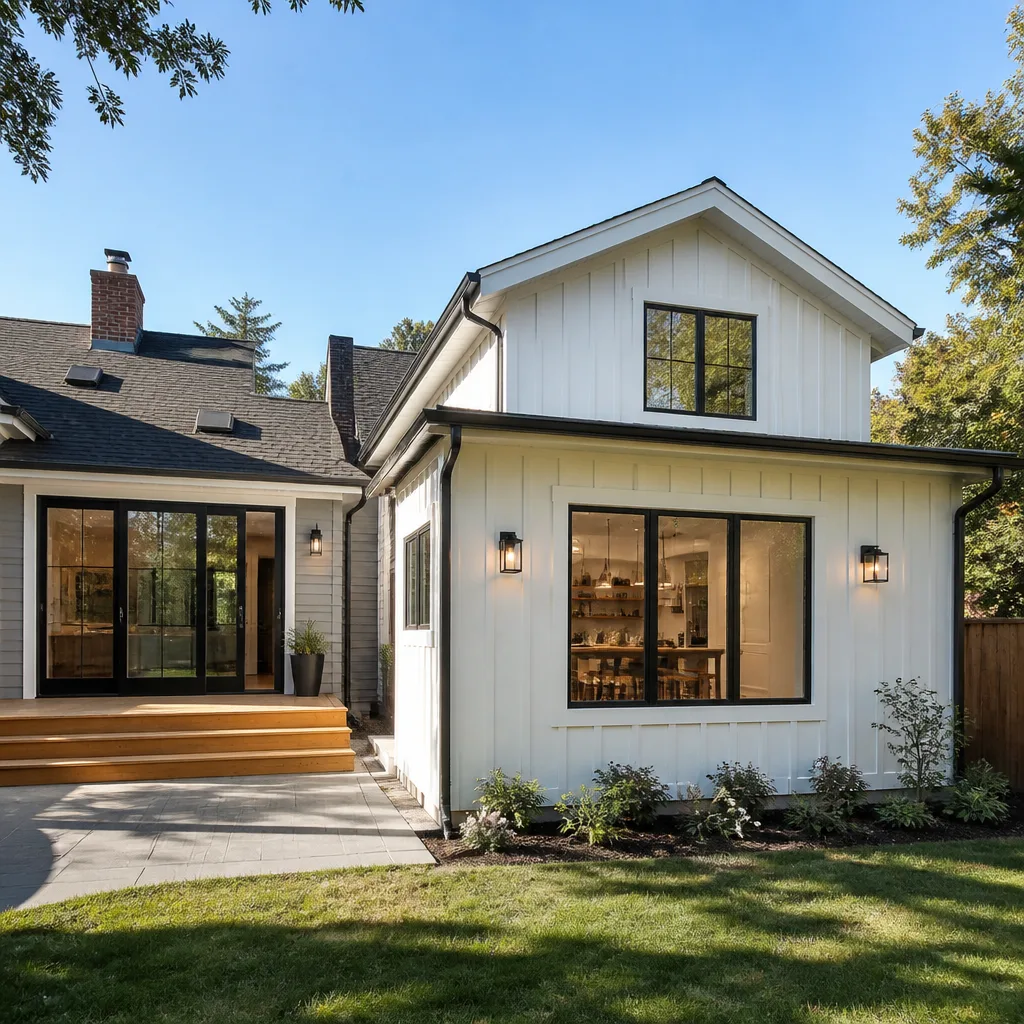



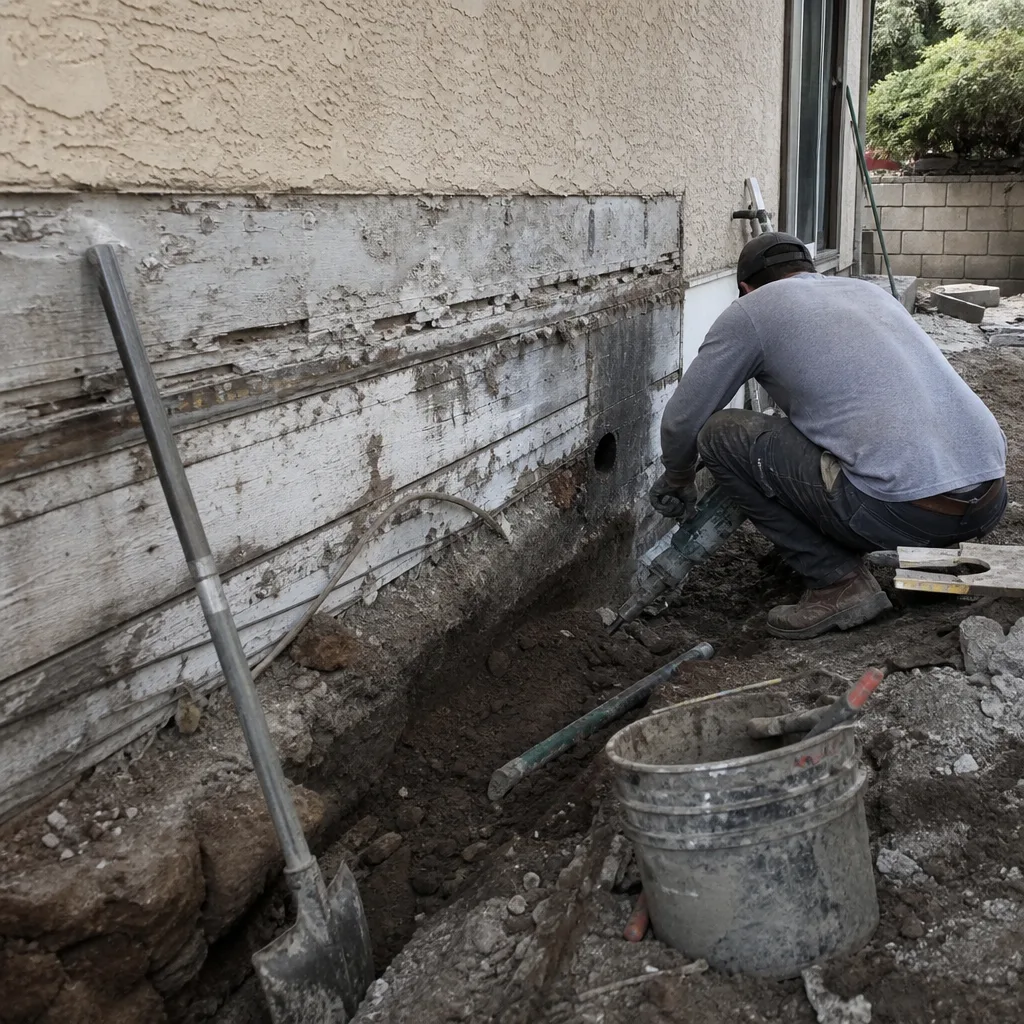 Before
 After
After Before
 After
After Before
 After
AfterHow to Hire a Construction Contractor in San Diego: A Step-by-Step Guide
California’s Contractors State License Board logged more than 17,000 complaints in a recent year, and the single most common dispute category was “failure to complete.” In our experience across 4,000-plus projects, that failure almost always traces back to the same origin: a contract that never specified scope, materials, or a change-order process before anyone picked up a tool. San Diego homeowners, working in one of the state’s most active renovation markets, face a specific risk. The mild climate and high property values attract contractors from out of county who understand the aesthetic expectations but not the local code amendments, the coastal corrosion zones, or the permit backlogs at the City of San Diego Development Services Department. This guide is built around the documents that separate contractors who will hold price from those who won’t, and complements our Complete Guide to Construction in San Diego.
Quick Answer
Hiring a construction contractor in San Diego requires verifying an active CSLB license in good standing, obtaining a written line-item bid that names material brands and separates labor, materials, permits, and contingency, confirming current insurance certificates that name you as additional insured, and signing a contract with explicit change-order, payment-schedule, and completion-clause language before work begins. The contractors who finish within a few percent of their original bid are the ones who treated the paperwork as seriously as the framing.
Table of Contents
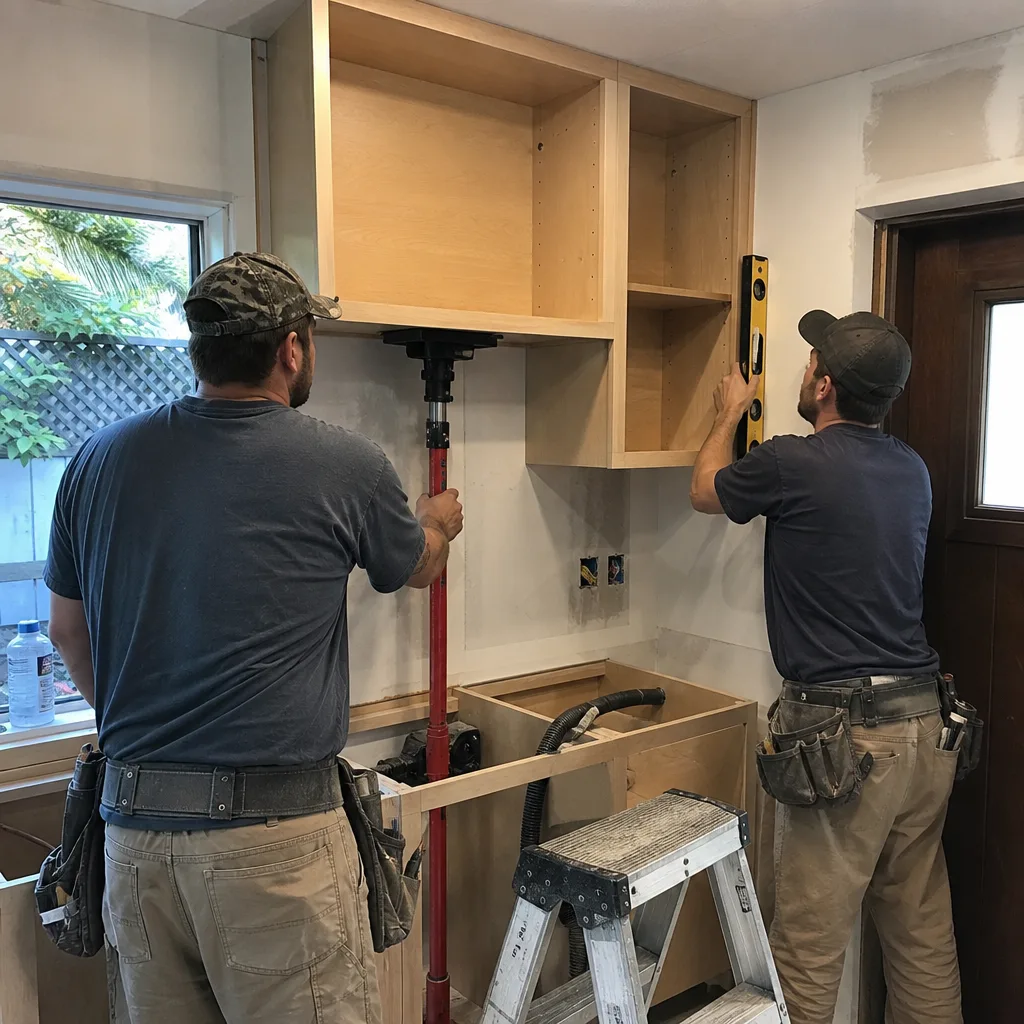
- How to Verify a Contractor’s CSLB License in San Diego
- How to Read and Compare Line-Item Bids
- How to Verify Insurance and Workers’ Compensation
- Three Contract Clauses That Prevent Cost Creep
- The Reference Check That Reveals Schedule and Budget Truth
- San Diego Permits, Inspections, and Code Amendments
- Red Flags Specific to the San Diego Market
- Common Mistakes to Avoid
- When to Call a Professional
- Frequently Asked Questions
- The Bottom Line
 Before
 After
AfterHow to Verify a Contractor’s CSLB License in San Diego
Every legitimate construction contractor in California must carry a CSLB license for projects valued at $500 or more in labor and materials. The license lookup at cslb.ca.gov is free and takes under two minutes. What you find there determines whether the conversation should continue.
What the License Status Means
The CSLB database shows one of four statuses for any given license number:
- Clear: The license is active, bond is current, and no disciplinary actions are pending. This is the only status that merits further consideration.
- Probation: The contractor violated CSLB regulations and is operating under monitored restrictions. Probationary licenses often involve unfulfilled contracts, unpermitted work, or financial mismanagement. We recommend passing.
- Suspended: The contractor cannot legally perform work. A suspended license means a lapsed bond, unresolved complaint, or failure to maintain workers’ compensation coverage. Hiring a suspended contractor exposes the homeowner to full liability for jobsite injuries and zero recourse for incomplete work.
- Revoked: The license was terminated by the CSLB. Any work performed under a revoked license is unbonded and illegal.
Reading the Complaint History
Below the status line, the CSLB record shows “Complaint History” if any consumer has filed a formal dispute. Click through. A single complaint resolved in the contractor’s favor is different from three complaints settled with disciplinary action. Look for patterns: complaints about abandonment, unpermitted work, or failure to pay subcontractors. In San Diego specifically, we’ve noticed a recurring pattern where out-of-county contractors take deposits for kitchen remodeling in San Diego, begin demolition, then disappear when permit delays stretch the schedule. The CSLB complaint history often reveals this behavior before you write a check.
Classifications That Matter
CSLB licenses are classified by trade. A B-General Building contractor can manage whole-house projects and subcontract specialized work. A C-36 Plumbing contractor cannot legally perform structural carpentry. For a bathroom remodeling in San Diego that involves moving walls and plumbing, verify the lead contractor holds either a B license or the correct combination of specialty licenses. Mismatched classifications are a common source of mid-project stoppage when an inspector flags work performed by an unlicensed trade.
Step-by-Step License Verification
- Navigate to cslb.ca.gov and select “Check a License.”
- Enter the six- or seven-digit license number the contractor provided. Do not accept “pending” or “applied for” as sufficient.
- Confirm the business name matches the name on the bid documents exactly. Discrepancies suggest subcontracting or shell entities.
- Verify the license expiration date extends past your projected project completion.
- Click “Complaint History” and read any entries in full, not just the summary line.
- Cross-reference the license holder’s name with the contract signatory. If different, ask why and get it in writing.
At Rowan Construction Group, our license number appears on every page of our site and every proposal we issue. We expect homeowners to verify it, and we consider that verification a basic due diligence step, not an insult.
How to Read and Compare Line-Item Bids
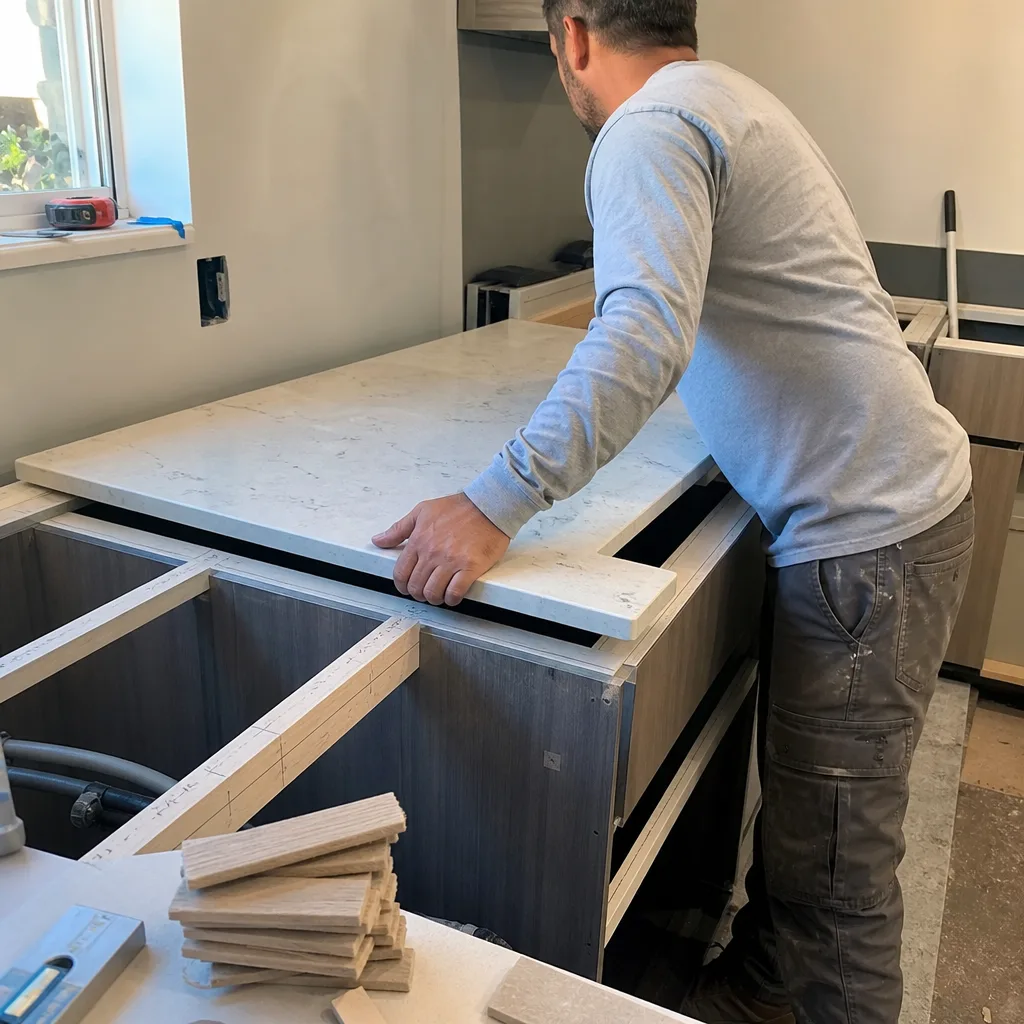
The most expensive mistake in contractor selection is comparing bids for different projects. A lump-sum bid of $45,000 and a lump-sum bid of $62,000 are not comparable if one includes permits, waterproofing membranes, and named-brand fixtures while the other assumes you’ll handle permits and accepts “or equal” substitutions on every material. The line-item bid document is the only format that exposes these differences.
What a Properly Itemized San Diego Bid Includes
A bid that can be honestly compared against competitors contains at minimum:
- Labor hours or labor line items by phase: Demolition, rough carpentry, plumbing rough-in, electrical rough-in, insulation, drywall, finish carpentry, painting. This reveals whether the contractor has thought through sequencing or is guessing.
- Named material brands with model numbers: Not “granite countertops” but “Cambria quartz, Torquay, 3cm thickness, eased edge.” Not “toilet” but “Toto Drake II CST454CEFG, elongated, 1.28 GPF.” Named brands with model numbers eliminate substitution risk and create a spec that can be priced by multiple bidders.
- Permit fees as a separate line: San Diego permit fees vary by project valuation and district. Separating this line shows the contractor has calculated the actual fee rather than padding a contingency.
- Contingency as a defined percentage: 5-10% for unforeseen conditions in existing structures is standard. A bid with no contingency line is either naively optimistic or hiding padding elsewhere.
- Waste removal and jobsite protection: Dumpster rental, dust containment, floor protection during work. These are real costs that disappear into lump-sum vagueness.
The Lump-Sum Trap
Lump-sum bids appeal to homeowners who want simplicity. The problem is that simplicity hides asymmetry. The contractor knows what’s included and excluded; the homeowner discovers exclusions when change orders arrive. In coastal San Diego neighborhoods like La Jolla and Del Mar, we’ve reviewed competitor bids that excluded corrosion-resistant fasteners for exterior work, a specification the homeowner only discovered when the contractor proposed a $3,200 change order for “upgraded hardware to meet coastal requirements.” The hardware wasn’t upgraded; it was the base specification the contractor omitted to hit a lower number.
Comparing Apples to Apples
To compare multiple bids honestly, create a master spreadsheet with rows for every line item that appears on any bid. Insert each contractor’s number in the corresponding cell. Blank cells expose omissions. A bid that omits permit fees, for instance, is not comparable to one that includes them unless you add the estimated permit cost to the incomplete bid. We provide this format automatically with every Rowan proposal because Clause 1 of the Haven Standard requires a written price before any work starts, and a price without line-item detail is not a price; it’s a guess.
How to Verify Insurance and Workers’ Compensation
A CSLB license in good standing means the contractor maintains a $25,000 bond and either workers’ compensation coverage or a valid exemption certificate. For projects involving employees on your property, the exemption certificate is irrelevant; you need active workers’ comp.
Requesting the Certificates
Ask for two documents: a Certificate of Insurance (COI) for general liability and a separate COI for workers’ compensation. Do not accept a photocopy of an insurance card or a screenshot from a phone. The COI is a standardized ACORD form issued by the insurance broker.
What to Verify on the COI
- Policy effective dates: Confirm coverage extends through your project duration. Policies renew annually; a project spanning renewal requires confirmation of continuation.
- Policy limits: General liability of $1 million per occurrence and $2 million aggregate is standard for residential construction. Lower limits suggest a contractor without sufficient project history to qualify for standard coverage.
- Additional insured endorsement: Request that the certificate name you as additional insured. This costs the contractor nothing and provides direct coverage under their policy if a claim arises from their work. A contractor who refuses this request is either unwilling to involve their insurer in disputes or lacks the relationship with their broker to arrange it.
- Workers’ comp classification codes: Verify the policy covers construction trades, not just clerical work. Misclassified policies void coverage when claims arise.
The San Diego Specific Risk
San Diego’s hills and canyon lots create access challenges that increase injury risk. Steep driveways in neighborhoods like Scripps Ranch and Rancho Peñasquitos require material handling on slopes. Workers’ comp verification is not bureaucratic box-checking; it’s protection against a hospital lien on your property if an uninsured worker is injured on your jobsite. California courts have upheld homeowner liability in these cases when the hiring party failed to verify coverage.
Three Contract Clauses That Prevent Cost Creep
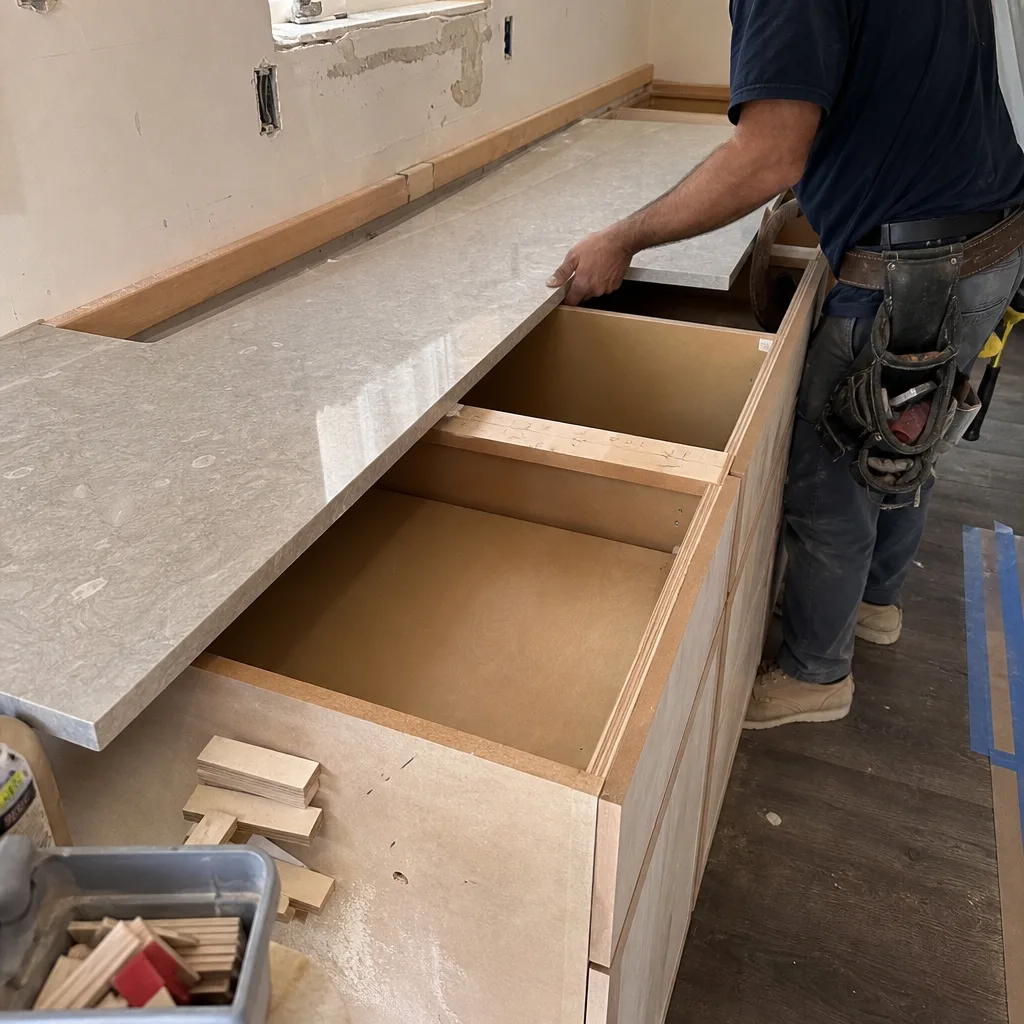
The contract is where most San Diego construction disputes are born or prevented. These three clauses separate contractors who manage scope from those who exploit ambiguity.
Clause 1: The Written Change Order Requirement
The contract must state that no work outside the original scope proceeds until a written change order is signed by both parties, specifying the additional cost, the additional time, and the exact scope change. This is the administrative discipline that has kept Rowan projects within a few percent of the agreed cost since 2007. Without this clause, contractors can perform “necessary” additional work and bill later, claiming the homeowner orally approved it. California law does not require written change orders for residential projects under $500, but a contract that imposes this requirement anyway protects both parties.
What to look for: Language stating “No changes to the scope of work, materials, or project timeline shall be implemented without a written change order signed by both contractor and owner, specifying the change in cost and schedule.” Any contract that allows “minor changes without written authorization” or grants the contractor discretion to proceed with changes under a dollar threshold is a cost-creep vehicle.
Clause 2: The Payment Schedule Tied to Inspection Passage
Progress payments should align with completed, inspected work, not calendar dates. A typical schedule for a major remodel: 10% at contract signing (the legal maximum deposit in California for projects over $10,000), 25% at completion of rough-in with passed inspections, 25% at completion of drywall with passed inspections, 35% at substantial completion with final inspection passed, 5% retention for 30 days to confirm no punch-list items. Any contract demanding 50% upfront or final payment before final inspection is a red flag. In San Diego, where inspection backlogs can delay project closeout by two to three weeks, a payment schedule tied to inspection passage also creates accountability for permit compliance.
Clause 3: The Completion and Penalty Clause
The contract must specify a substantial completion date and define what constitutes completion. Vague language like “work to be completed in a professional manner” is unenforceable. Specific language specifies: “Substantial completion occurs when all work described in the scope documents is finished, all inspections are passed, and the project is ready for owner occupancy except for punch-list items not exceeding $500 in value.” For projects exceeding 30 days, include a per-day penalty for contractor-caused delay, capped at a reasonable percentage of total contract value. This clause is the primary leverage homeowners retain when schedules slip.
What Rowan’s Haven Standard Adds
Under the Haven Standard, our contracts include these three clauses as non-negotiable terms, plus the 365-Day Done Right Promise: if it is not done right, we make it right. The promise is printed on every page and backed by a terms page, not an asterisk. We’ve found that homeowners who read contracts carefully before signing rarely need to enforce them; the mere existence of clear terms aligns expectations.
The Reference Check That Reveals Schedule and Budget Truth
Most reference checks fail because they ask whether the client was “happy.” Happiness is subjective and socially pressured. A reference who liked the contractor personally may still have experienced a 40% cost overrun and a four-month delay. These five questions extract measurable performance data:
- “What was your original contract price, what was your final payment, and what explained the difference?” This exposes change-order volume and whether the contractor honored the written price before work started. A difference under 5% suggests disciplined scope management; over 15% suggests either poor initial estimating or aggressive change-order selling.
- “When did work actually begin, when did it substantially complete, and what caused any variance from the contract schedule?” This separates contractor-caused delay from owner-caused delay (material selection delays, for instance) and from permit-caused delay. In San Diego, permit delays are real but predictable; a contractor who blames the city for a six-month kitchen remodel either failed to file promptly or accepted a project during known backlog periods.
- “How many change orders did you sign, and how many felt optional versus necessary?” Necessary change orders address concealed conditions: rotted subfloor discovered during demolition, for example. Optional change orders upgrade materials or add scope. A high ratio of optional to necessary suggests a contractor who uses the open wall to sell upgrades.
- “Did the crew show up consistently, and was the same superintendent on your job throughout?” Inconsistent crew presence kills schedule. Superintendent turnover mid-project suggests either organizational instability or the contractor overcommitted and is rotating limited supervisory staff across too many jobs.
- “What documentation did you receive at project close?” The answer should include: final lien releases from all subcontractors and material suppliers, passed inspection records, warranty documents for installed products, and a photo record of work in progress. At Rowan, the documented photo record on every visit is included as standard, not an upgrade, because a homeowner who cannot see what was done behind the drywall cannot verify the quality of plumbing and electrical work.
Ask these questions of the contractor’s most recent three completed projects, not cherry-picked favorites. Recent performance predicts future performance better than decade-old testimonials.
San Diego Permits, Inspections, and Code Amendments
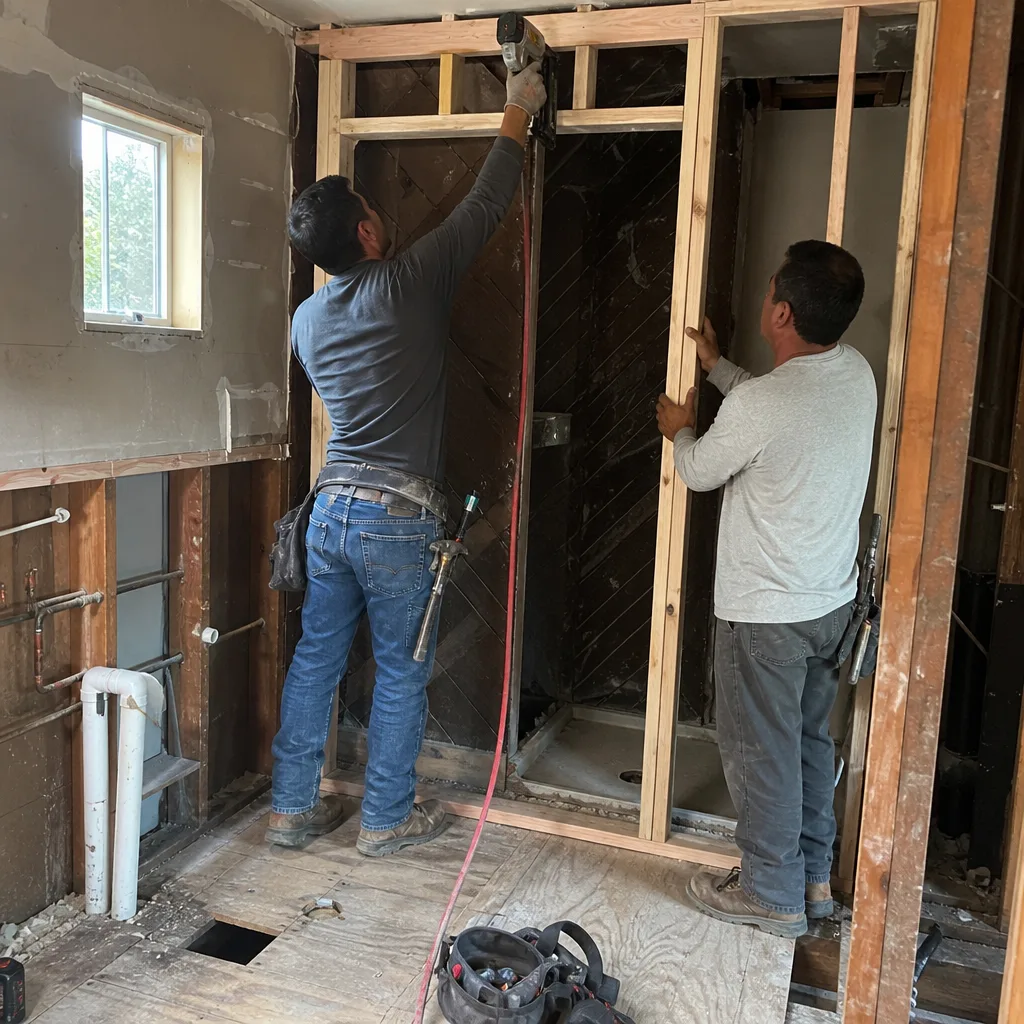
San Diego operates under the California Building Code with local amendments administered by the City of San Diego Development Services Department. Understanding this process prevents the most common schedule-killer in local construction: permit delay.
When Permits Are Required
Permits are required for structural changes, electrical and plumbing modifications, roofing replacement, window and door enlargements, and any work affecting egress or fire safety. Cosmetic work, painting, flooring replacement, and cabinet replacement without plumbing relocation typically do not require permits. When in doubt, the Development Services Department offers free “plan check” consultations to confirm requirements before application.
The Coastal Zone Complication
Properties within the California Coastal Zone, including much of La Jolla, Pacific Beach, Mission Beach, and Ocean Beach, require Coastal Development Permits for exterior modifications visible from the coast. This is a separate process from building permits, administered by the San Diego Planning Department, and can add 60-90 days to project timeline. Contractors who regularly work in coastal San Diego should account for this in their initial schedule estimate, as covered in our Seasonal Construction Care for San Diego: Year-Round Homeowner’s Guide. Those who don’t may promise unrealistic timelines.
Inspection Backlogs and Scheduling
Post-pandemic, San Diego inspection backlogs have normalized but remain variable by district. The city offers online inspection scheduling with specific two-hour windows. A contractor who “will call for inspection when ready” without reserving the slot in advance is adding days or weeks to your project. In our workflow, we schedule inspections before rough-in begins, holding the slot contingent on readiness. If the slot expires unused, we reschedule immediately rather than waiting for the next available opening.
Code Amendments That Affect Material Selection
San Diego’s local amendments include enhanced requirements for seismic bracing, wildfire-urban interface zones in eastern and northern areas, and corrosion protection within one mile of the coast. For roofing in San Diego, this means specifying GAF or Owens Corning systems with appropriate fastener schedules for the exposure zone, not just the shingle grade. A bid that names the shingle but not the fastening specification is incomplete for this market.
Red Flags Specific to the San Diego Market
Some warning signs are universal; others are pronounced in San Diego’s particular construction economy.
- The “just arrived from Arizona/Nevada” contractor: Out-of-state contractors often carry valid CSLB licenses obtained through reciprocity but lack relationships with San Diego inspectors, suppliers, and subcontractors. They underestimate local permit timelines and may not understand coastal corrosion requirements or Cal-OSHA heat-illness prevention rules that affect summer scheduling.
- The “I can start Monday” contractor: In a market where quality contractors typically book 4-8 weeks out, immediate availability suggests either a new business without track record or a contractor who just lost a major job and needs cash flow. Neither is automatically disqualifying, but both warrant deeper reference checking.
- The verbal permit handling: “Don’t worry about permits, I’ll take care of it” without showing you the permit application or the approved plans before work begins. Unpermitted work in San Diego triggers stop-work orders, doubled permit fees, and potential resale disclosure obligations. The homeowner, not the contractor, holds the property title and bears these consequences.
- The material allowance with no brand names: A $15,000 “cabinet allowance” or $8,000 “tile allowance” without specified brands or grades creates unlimited substitution risk. We’ve reviewed competitor proposals where the allowance covered builder-grade KraftMaid but the showroom display featured semi-custom Wellborn, a distinction the homeowner discovered only after signing.
- The subcontractor payment ambiguity: California law requires prime contractors to pay subcontractors within 7 days of receiving progress payments. A contract that doesn’t reference this timeline or that lacks lien-release language exposes the homeowner to mechanic’s liens if the prime fails to pay subs. In San Diego’s high-volume market, subcontractor lien filings are common and cloud title until resolved.
Common Mistakes to Avoid
- Comparing bids without a unified scope document. Create your own scope summary and require each bidder to price every line. Bids prepared to different scopes are not comparable at any price.
- Accepting “or equal” substitutions without defining the standard. “Or equal” allows the contractor to substitute cheaper materials. Define equality by brand, model, and specification, or eliminate the clause.
- Paying the final balance before final inspection and lien releases. California’s Mechanics Lien Law allows subcontractors and suppliers to lien your property if unpaid by the prime. Final payment should follow receipt of unconditional final lien releases from every party who provided labor or materials.
- Hiring based on the lowest bid in a range exceeding 20%. A bid 30% below competitors either omits scope, underestimates labor, or plans change-order recovery. None of these serve the homeowner.
- Neglecting to verify the license immediately before signing. License status changes. A contractor “clear” last month may be “suspended” today. Verify within 48 hours of contract execution.
- Failing to document pre-existing conditions. Photograph every wall, floor, and fixture before demolition. In San Diego’s active real estate market, contractors move between projects rapidly; photographic evidence prevents “it was already damaged” disputes.
- Ignoring the coastal zone permit requirement. Properties from Torrey Pines to Imperial Beach need Coastal Development Permits for exterior work. Starting without one produces stop-work orders that freeze projects for months.
When to Call a Professional
Call a licensed construction contractor when your project involves structural modification, electrical or plumbing relocation, roofing replacement, or any work requiring a building permit. In San Diego, the combination of seismic requirements, coastal corrosion zones, and complex permit jurisdiction makes professional management cost-effective even for experienced DIY homeowners. Rowan Construction Group San Diego offers free estimates throughout San Diego. We’ll review your project scope, provide a written line-item price before any work starts, and apply our Free Second Opinion to any competitor’s written estimate you bring us. Call (858) 434-8926 to schedule.
Frequently Asked Questions
Kitchen remodeling in San Diego typically ranges from $75,000 to $150,000 for a full renovation with mid-grade finishes; bathroom remodeling runs $35,000 to $75,000; roofing replacement averages $15,000 to $35,000 depending on pitch and access; and home additions including ADUs start around $250,000 and scale with square footage and finish level. These ranges reflect 2024-2025 material and labor costs in the San Diego market, where trade wages run 15-20% above the national average and coastal access challenges increase labor hours. Call (858) 434-8926 for an exact quote on your specific project; estimates are free.
The price should not change for the scope defined in your signed contract. Changes occur only when concealed conditions are discovered or when you request additions. At Rowan, no change proceeds without a signed change order specifying the new cost and schedule impact. This discipline, part of the Haven Standard since 2007, has kept our projects within a few percent of the original agreed price across 4,000-plus jobs. Call (858) 434-8926 to discuss how we structure fixed-price agreements.
Yes. Rowan Construction Group pulls all required permits as part of our standard process, with permit fees shown as a separate line item in your written proposal. We schedule inspections in advance, meet inspectors on site, and do not request final payment until all inspections are passed and approved. This is standard practice for legitimate contractors; any contractor asking you to “pull the permit as owner” to save money is transferring liability to you while obscuring their role as the actual contractor.
A full kitchen remodel in San Diego typically requires 10-14 weeks from permit application to final inspection, with 6-8 weeks of active construction. Bathroom remodels run 6-10 weeks total. These timelines include San Diego’s current permit review period of 2-4 weeks for residential projects and account for inspection scheduling. Projects in the Coastal Zone add 60-90 days for Coastal Development Permit processing. Contractors who promise substantially shorter timelines either work without permits or have not performed this calculation honestly.
Ask for original contract price versus final payment, original schedule versus actual completion, the number and nature of change orders, crew consistency, and the documentation received at close. These questions reveal budget and schedule performance that “were you happy?” cannot capture. Request references from the three most recent completed projects, not selected favorites.
Request a Certificate of Insurance for general liability and workers’ compensation, verify policy dates cover your project period, confirm limits of at least $1 million per occurrence, and ask to be named as additional insured. Call the insurance broker listed on the certificate to confirm the policy is active; do not rely solely on the contractor’s representation. In San Diego’s steep-lot market, workers’ comp verification is particularly critical due to elevated injury risk during material handling.
The Bottom Line
Hiring a construction contractor in San Diego successfully is a documentation exercise, not a personality contest. Verify the CSLB license status directly. Demand line-item bids that name brands and separate costs. Confirm insurance with certificates, not promises. Sign only contracts with written change-order requirements, inspection-tied payment schedules, and defined completion terms. Check references for budget and schedule performance, not satisfaction. And account for San Diego’s specific conditions: coastal permits, corrosion-resistant specifications, and inspection backlogs that affect every project timeline. The contractors who finish on budget are the ones who built the budget honestly before work began. For more guides & resources on protecting your investment, visit our blog. At Rowan Construction Group, we’ve operated under this discipline since 2007, with a written price before any work starts on every one of 4,000-plus projects. The Haven Standard isn’t a slogan; it’s the administrative system that produces predictable outcomes.
Written by Grant Rowan, Owner at Rowan Construction Group San Diego, serving San Diego since 2007.