
Free written scope consultation - allowances, timeline, and change-order rules on paper before a single trade is scheduled
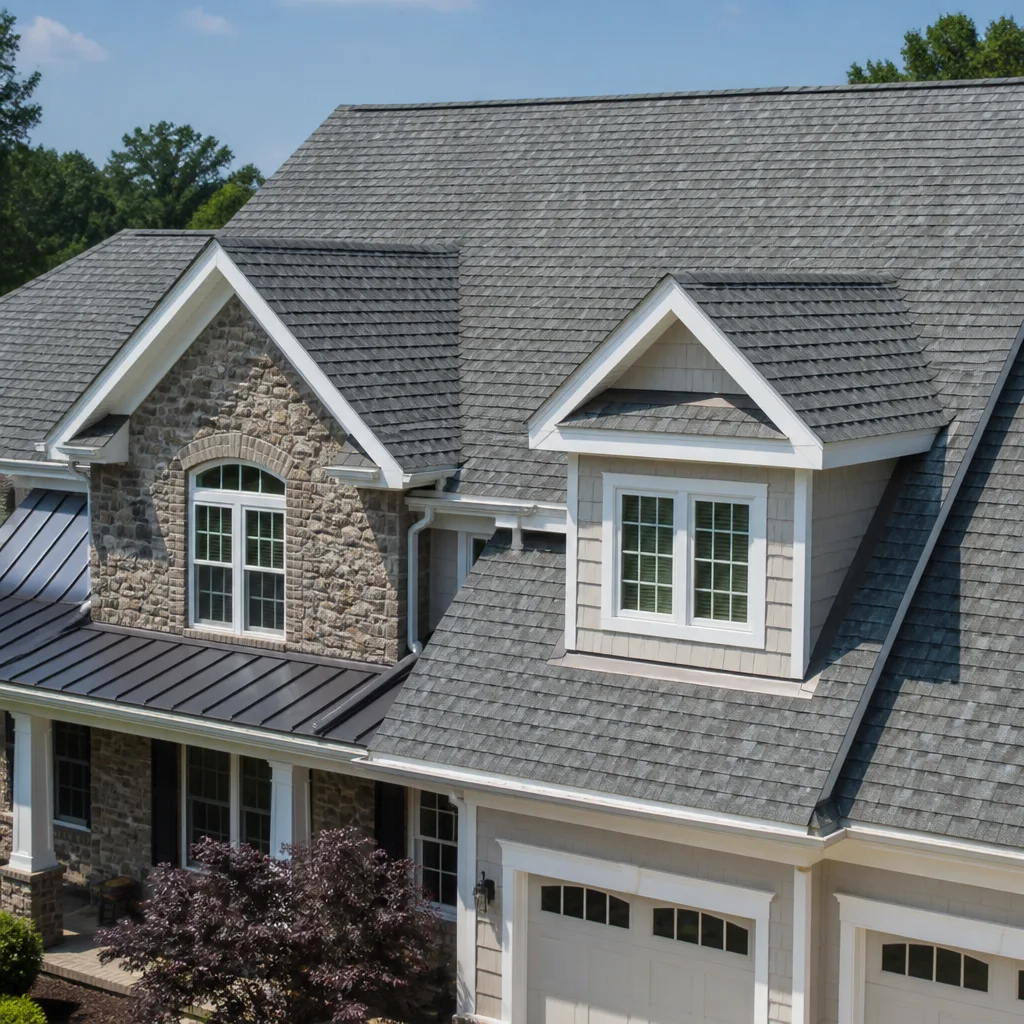
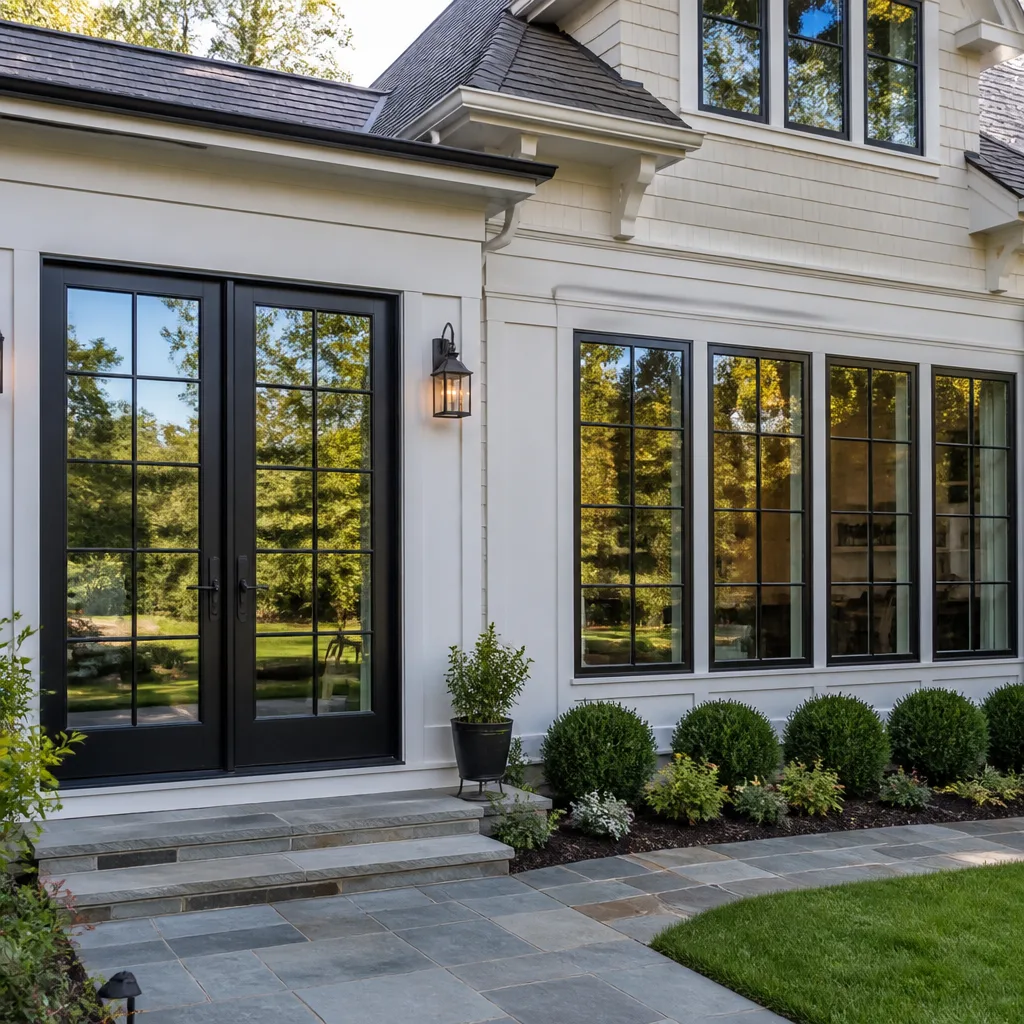
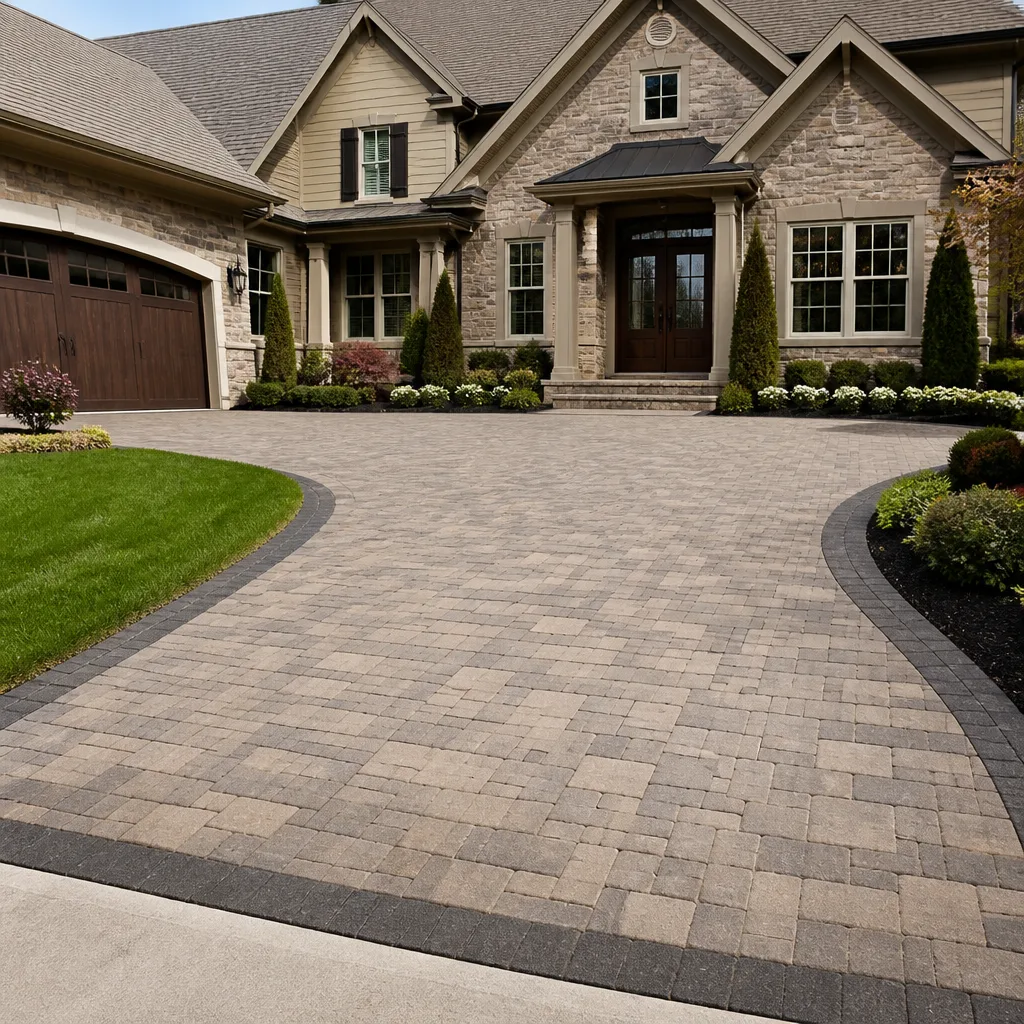
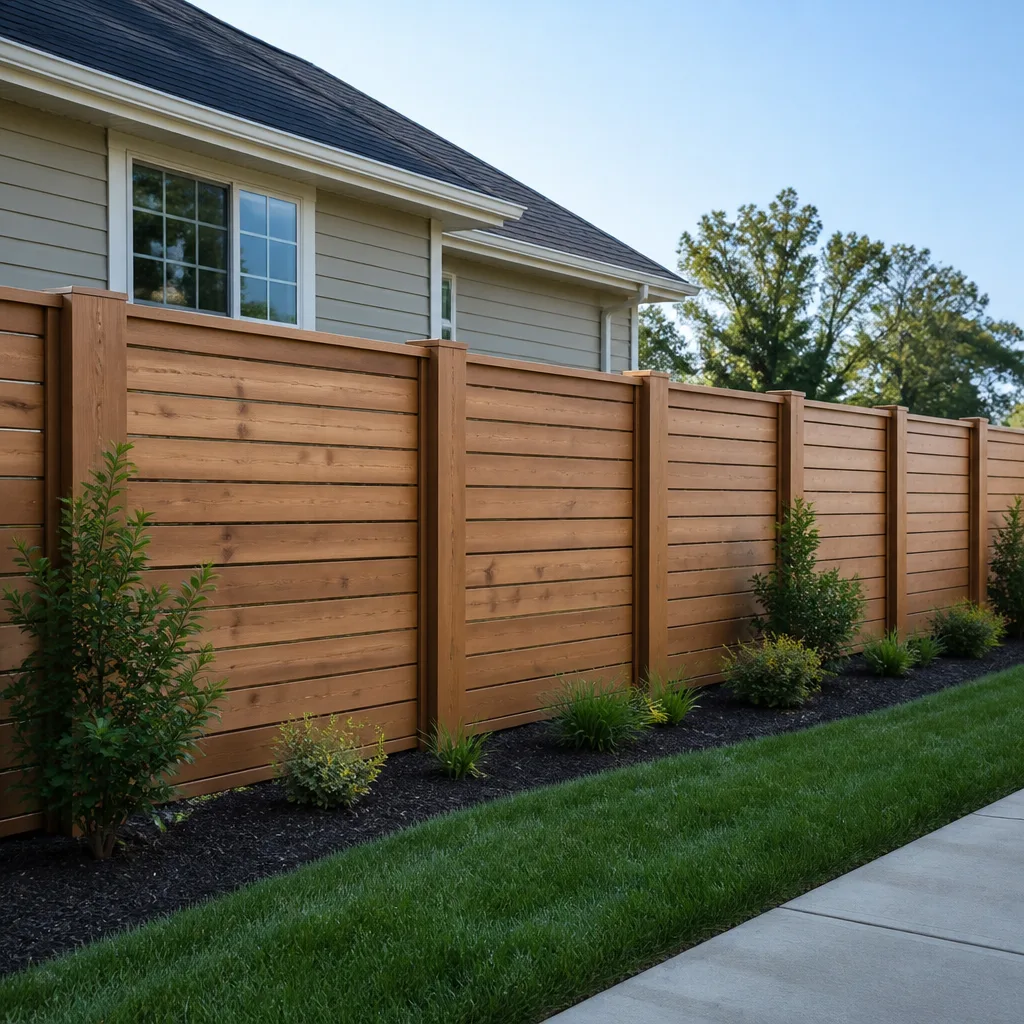
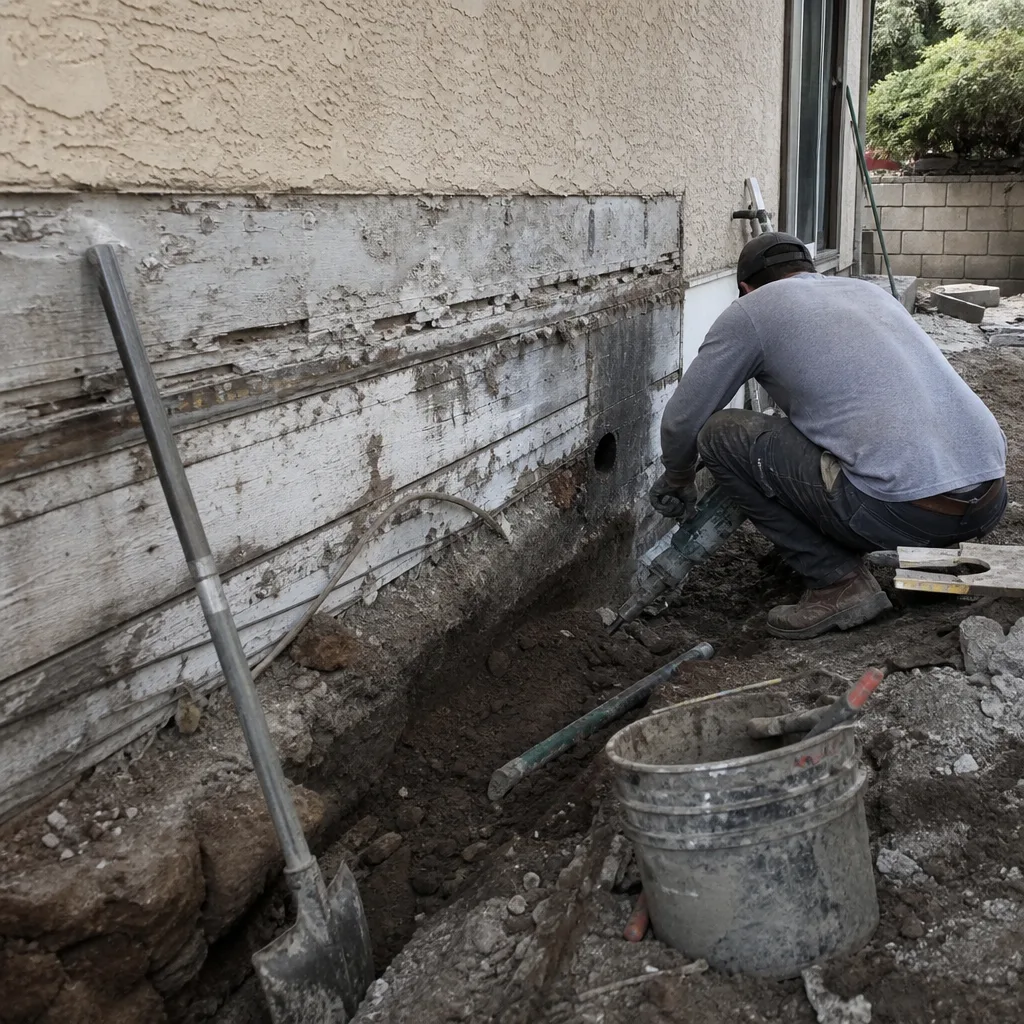 Before
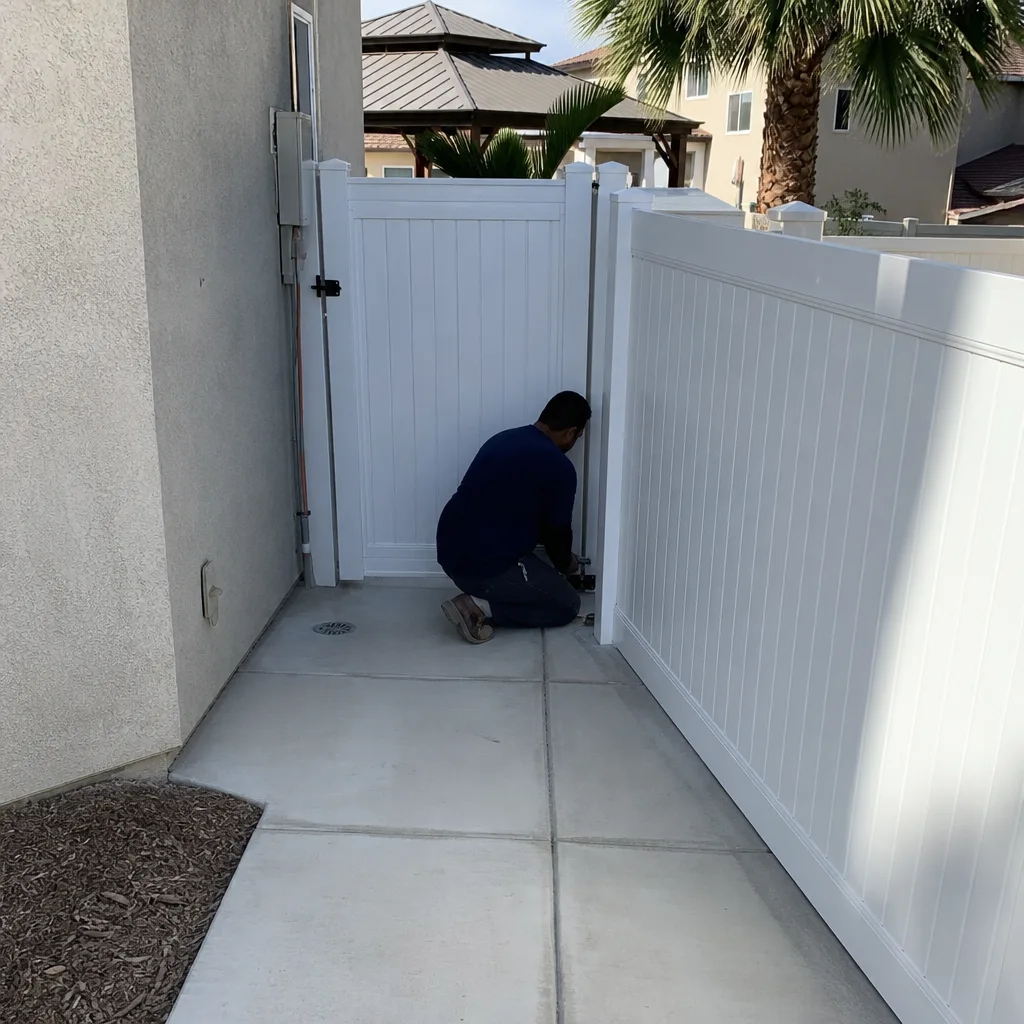 After
After Before
 After
After Before
 After
AfterHow Much Does Paver Driveway Installation Cost in San Diego?
Paver driveway installation in San Diego typically costs between $8,260 and $21,240, depending on square footage, paver material, base preparation requirements, and site access. Most standard two-car driveways in San Diego neighborhoods like Rancho Bernardo, Scripps Ranch, and Carmel Valley land in the $11,000-$15,000 range when installed with concrete pavers on a properly compacted aggregate base. Rowan Construction Group provides a written flat price before any work starts – no “call for a quote,” no estimates that shift after the crew shows up.
Paver Driveway Installation Cost in San Diego: 2026 Breakdown
The table below reflects current San Diego market pricing as of 2026. These are installed costs – material, labor, base prep, and cleanup included – not supply-only figures.
| Cost Category | Low End | High End | Notes |
|---|---|---|---|
| Basic concrete paver driveway (single car, ~300 sq ft) | $8,260 | $10,800 | Standard 6×9 or 4×8 pavers, flat grade, minimal demo |
| Mid-range concrete paver driveway (two car, ~600 sq ft) | $11,000 | $15,500 | Most common project size in San Diego; includes border detail |
| Natural stone or tumbled travertine driveway | $14,500 | $21,240 | Belgard Mega Arbel, Techo-Bloc Blu 60, or travertine on sealed base |
| Demo and removal of existing concrete or asphalt | $1,200 | $3,400 | Depends on thickness and haul-off distance |
| Aggregate base prep and compaction | $800 | $2,200 | 4-6 inch compacted class II base typical for San Diego clay soils |
| Edge restraints and polymeric sand | $350 | $900 | Snap-edge or spike restraints; polymeric sand prevents weed intrusion |
| Sealing (first application) | $295 | $825 | Penetrating or wet-look sealer; extends paver life significantly |
| Decorative border or pattern upgrade | $600 | $2,000 | Running bond vs. herringbone vs. basket weave; labor cost difference |
The single biggest swing in San Diego paver projects is almost always the base. Homes in Mira Mesa, Santee, and parts of El Cajon sit on expansive clay soils that shift more than the sandy coastal substrate you find in Pacific Beach or Mission Hills. When a soil test shows higher clay content, the spec calls for a deeper aggregate base – sometimes 6 inches instead of 4 – which adds both material cost and compaction labor. That’s not an upsell; it’s what prevents the pavers from shifting within two rainy seasons. Rowan documents the substrate condition in the photo record that goes to every customer before a price is written, so the number reflects what’s actually under the existing surface.
If you’re comparing this against a Paver Driveway Installation in San Diego overview, the cost ranges on this page are consistent with what you’ll find there. No different numbers depending on which page you landed on.
What Affects Paver Driveway Installation Pricing in San Diego
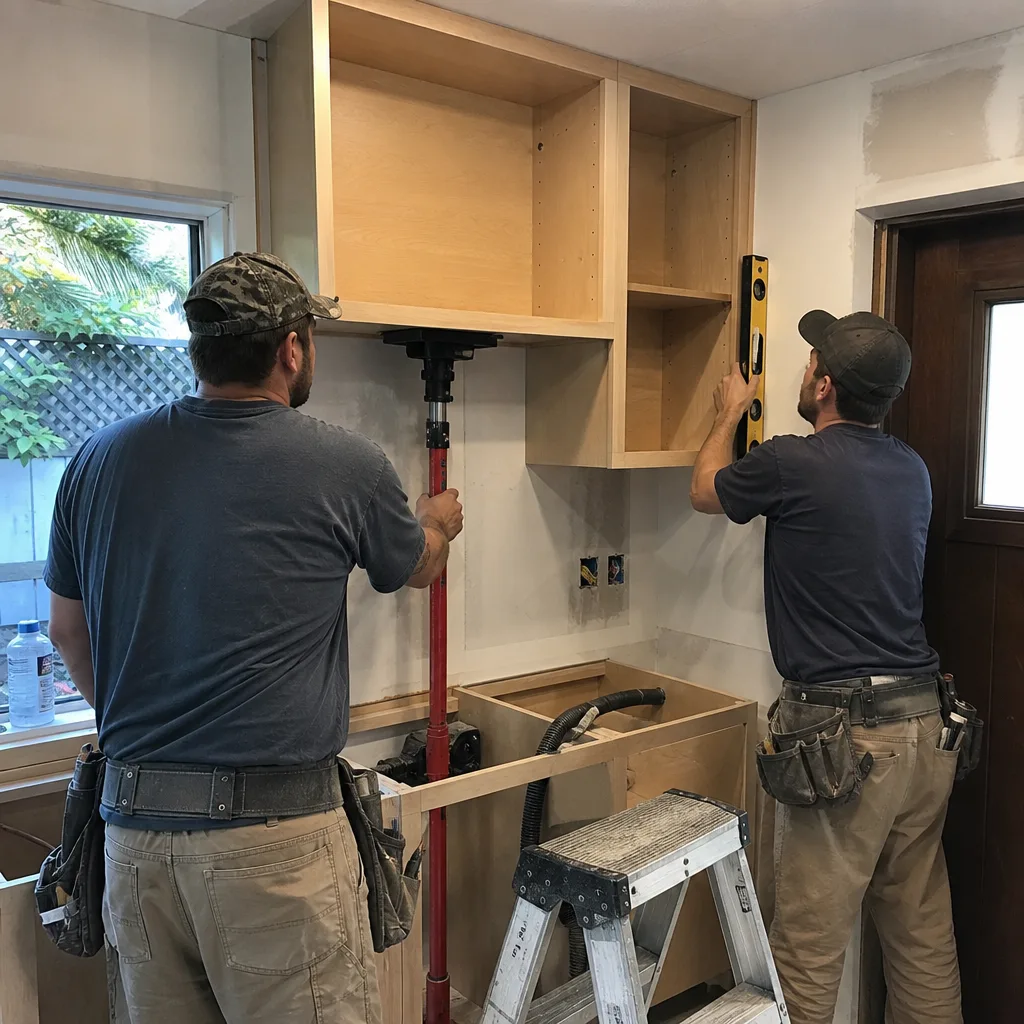
- Square footage and driveway shape. A straight rectangular driveway is the least expensive to install per square foot because cut pieces are minimal and layout is fast. Curved approaches, circular turnarounds, and driveways with flares or bump-outs near the garage require more cutting and more labor time. A 700-square-foot curved driveway in Del Mar can cost 15-20 percent more per square foot than a 700-square-foot rectangle in Clairemont.
- Paver material and thickness. Standard 60mm concrete pavers from the Belgard catalog – products like the Urbana or Holland Stone lines – sit at the lower end of the material cost spectrum. Step up to 80mm pavers, Techo-Bloc Blu 60, or natural travertine and the material cost alone can double. Thickness matters for driveways specifically: pavers that are fine for a patio may not carry vehicle load without cracking over time, so the right spec for a driveway starts at 60mm and goes up for heavier use.
- Existing surface removal and haul-off. San Diego homes built between the 1960s and 1990s commonly have 4-inch reinforced concrete driveways that are labor-intensive to demo. Homes with asphalt are faster to remove but sometimes show base failures underneath that need to be corrected before new pavers go in. Either way, demolition, loading, and disposal to a licensed facility in the San Diego metro adds real cost – plan for $1,200 to $3,400 depending on how much material is coming out.
- Slope and drainage requirements. San Diego’s topography means a lot of driveways aren’t flat. Properties in La Jolla, Point Loma, and Kensington regularly have grades that require either step-up designs or drainage channels (channel drains or French drains) built into the paver field to prevent water from pooling at the garage foundation. Drainage work is not decorative – it directly protects the structure – and adds $800 to $2,500 depending on the solution.
- Permit requirements and HOA review. City of San Diego driveway permits are generally required when the work involves grading changes, drainage modifications, or when the project is in a coastal or hillside overlay zone. Some HOAs in planned communities like 4S Ranch and Santaluz require a materials approval before installation. Rowan handles permit documentation as part of the project scope; the cost is factored into the written price, not added as a surprise line item afterward.
- Access and site conditions. A driveway that a standard equipment trailer can reach from the street is straightforward to stage. Driveways on narrow canyon streets in Mission Hills or behind tight gates in some Chula Vista communities require hand-moving material or using smaller equipment, which increases labor hours. Access difficulty is assessed during the site visit and priced into the written quote before any work starts – it’s not something that shows up as a surcharge after the job is half done.
 Before
 After
AfterHow to Save on Paver Driveway Installation in San Diego
The most reliable way to save money on a paver driveway is to get a written, itemized quote before agreeing to anything – and then understand what’s actually in it. A low number that doesn’t include demolition, base prep, or polymeric sand isn’t a low number; it’s an incomplete scope. Rowan’s written price covers all line items before the first tool comes off the truck, which is how projects finish within a few percent of the agreed cost.
Here are practical ways to manage the total cost without cutting corners that will cost more later:
- Choose a standard paver size and pattern. The Belgard Holland Stone in a running bond pattern is one of the most efficient installs in terms of labor time and material waste. Herringbone cuts more pieces at 45 degrees; custom borders and inlaid patterns take longer. If budget is a priority, stick with a field pattern that minimizes cuts and a single paver size.
- Bundle with another project if the timing works. If you’re already planning a patio, a fence line, or any other exterior work, scheduling both projects together reduces mobilization costs – one site visit, one equipment delivery, one haul-off. A combined paver driveway and patio project can save $500 to $1,200 in overlap costs compared to scheduling them six months apart.
- Don’t defer drainage fixes. It sounds counterintuitive, but skipping a channel drain to save $900 now and then paying for paver re-leveling in three years costs more. San Diego’s winter rain events – even moderate ones – move water fast on improperly graded driveways. Drainage built into the original install is the economical choice over time.
- Bring a competitor’s quote for a free second opinion. Rowan offers a line-by-line review of any written estimate at no charge. This is useful when you’re not sure whether a lower bid is genuinely competitive or is missing scope. Bring the other quote to (858) 434-8926 and the team will walk through it with you.
- Seal the finished surface in year one. First-application sealing costs $295 to $825 and extends the life of the paver surface by reducing stain absorption and weed intrusion through the joints. Doing it at the time of installation is the least expensive window; doing it after several years of car traffic and San Diego marine layer grime is more labor-intensive to prep.
- Ask specifically what’s included in base preparation. A quote that specifies “4-inch class II aggregate base, machine-compacted” is a different product than one that says “base included.” The spec matters in San Diego because of the soil variability across the region. A written scope with the base depth called out is a sign the contractor has actually looked at your site.
For a free written estimate on your San Diego paver driveway, call (858) 434-8926. A Rowan crew member will assess the site, document conditions with photos, and deliver a flat written price – not a range and not a verbal ballpark.
Comparing Paver Driveways to Other Driveway Materials in San Diego
Pavers aren’t the only option, and it’s worth knowing what the alternatives cost in the San Diego market before committing to any surface.
- Concrete driveway installation: $5,310-$14,160. Less expensive upfront, but cracks are permanent repairs rather than single-unit replacements. San Diego’s soil movement, particularly in areas with clay content, makes cracking a realistic expectation over 10-15 years.
- Asphalt driveway paving: $4,130-$10,620. The lowest upfront cost, but asphalt in San Diego softens under summer heat, requires sealing every 3-5 years, and has a shorter lifespan before full replacement is needed.
- Driveway replacement (existing surface): $5,900-$16,520. Whether replacing failed concrete or deteriorated asphalt, replacement costs vary based on what’s coming out and what’s going back in.
- Paver driveway installation: $8,260-$21,240. Higher upfront than concrete or asphalt, but individual pavers can be lifted and reset when utilities need access or when settling occurs – no breaking out a slab, no patching that never quite matches.
The long-term case for pavers in San Diego is partly aesthetic and partly practical. The ability to replace individual units rather than patch or resurface the whole driveway changes the 20-year cost calculation considerably. It also matters for neighborhoods with older water and gas lines under the driveway apron – utility companies can lift pavers and set them back cleanly in a way that isn’t possible with poured concrete.
San Diego-Specific Considerations for Paver Driveways
San Diego’s climate and geography create a few installation considerations that don’t apply the same way in most other California markets.
The marine layer that blankets coastal neighborhoods – Pacific Beach, Ocean Beach, La Jolla, Coronado adjacent communities – means pavers near the coast accumulate a light salt-and-moisture film that can affect certain stone types over time. Concrete pavers in these areas hold up well; unsealed travertine needs closer attention to sealing schedules because salt intrusion into the pores accelerates surface wear. This isn’t a reason to avoid travertine near the coast, but it’s a reason to seal it in year one and put it on a three-year resealing schedule.
Inland communities – Lakeside, El Cajon, Santee – run hot in summer. Surface temperatures on unshaded south-facing driveways can exceed 140 degrees Fahrenheit in July and August. Polymeric sand in these areas needs to be a product rated for high heat, and darker paver colors absorb more heat, which matters if the driveway is adjacent to a garage without insulated doors. These are specifics worth discussing at the estimate stage.
San Diego County also sits in a moderate seismic zone. Pavers have a natural advantage over poured concrete in minor seismic events because the flexible joint system – polymeric sand between individual units rather than a rigid monolithic slab – allows small ground movements without cracking. This is one of the practical reasons a lot of newer construction in planned communities like Otay Ranch and Eastlake specifies pavers over concrete for exterior flatwork.
If you’re working with an HOA, the approval process in communities like Rancho Santa Fe, 4S Ranch, and Torrey Highlands can require a specific paver style, color palette, or edge treatment to match community standards. Rowan submits the documentation package for HOA review as part of the project process; the homeowner doesn’t have to manage that back-and-forth separately.
What the Installation Process Looks Like
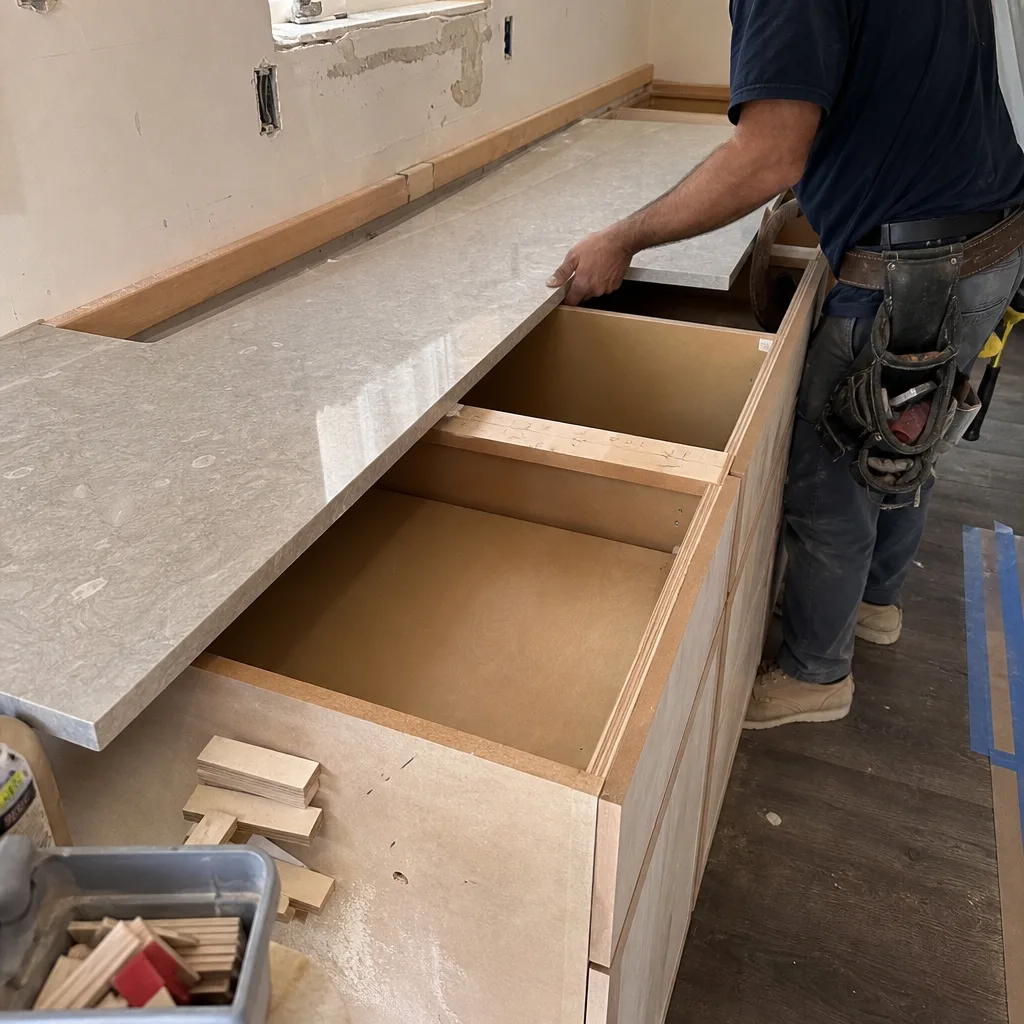
Understanding the sequence helps you evaluate whether a quote is complete. A properly installed paver driveway in San Diego goes through these stages:
- Site assessment and documentation. Before a price is written, the existing surface is assessed, substrate conditions are noted, drainage patterns are observed, and the lot slope is measured. Photos are taken at this stage and shared with the customer.
- Demolition and haul-off. Existing concrete, asphalt, or pavers are broken up, loaded, and removed to a licensed disposal facility. The exposed subgrade is inspected for soft spots or contamination.
- Subgrade preparation. Any soft or unstable areas are addressed – sometimes with compacted fill, sometimes with geotextile fabric depending on soil conditions. The subgrade is graded to the finished drainage slope before base material goes in.
- Aggregate base installation. Class II aggregate base is spread and machine-compacted in lifts (layers) to reach the specified depth. Proper compaction is tested, not assumed. This stage directly determines whether the finished driveway stays level or develops low spots over time.
- Bedding sand screeding. A 1-inch layer of coarse bedding sand is screeded to a precise, uniform depth. This is the setting bed the pavers sit in – variations here show up as high and low pavers in the finished surface.
- Paver installation and cutting. Pavers are laid to the specified pattern, cut at edges and borders, and checked for consistent joint spacing. Border pavers, if specified, are typically laid last to lock the field pattern.
- Edge restraints. Mechanical edge restraints are spiked into the base around the perimeter to prevent lateral spreading of the paver field over time.
- Polymeric sand application. Polymeric sand is swept into the joints and activated with water. When cured, it binds the joints against weed growth and ant intrusion while remaining slightly flexible.
- Final documentation. The completed driveway is photographed, the project file is updated, and the customer receives the documentation record that Rowan includes on every project as standard.
Any written quote that doesn’t account for all of these stages is missing scope. When you compare quotes, check whether demolition, base prep, edge restraints, and polymeric sand are explicitly listed – or whether the lower number just doesn’t include them.
The Rowan Written Price Process
Grant Rowan built Rowan Construction Group around one administrative discipline that has since become the core of what The Haven Standard calls Clause 1: the written price is delivered before any work starts, on every trade, every time. Across more than 4,000 projects delivered since 2007 – driveway and paver work, roofing, kitchen and bathroom remodels, home additions – the written price has been the starting point, not a formality added after verbal agreement.
On paver driveway projects in San Diego, that written price includes the full scope: demo, base, pavers, edge restraints, polymeric sand, drainage work if needed, and cleanup. If something changes after the job starts – a buried utility that shifts the layout, a substrate condition that wasn’t visible until demo – a signed change order documents the revision before work proceeds. Nothing is added to the final invoice that wasn’t agreed to in writing first.
The 365-Day Done Right Promise applies to paver driveway work the same way it applies to every other trade Rowan operates: if the work isn’t right, Rowan makes it right within that window. That’s printed on the project documentation, not offered informally over the phone.
Rowan sources paver materials through established relationships with Belgard and Techo-Bloc, two of the most consistent manufacturers in the concrete paver category. The written quote names the specific product line and SKU, not just “concrete pavers.” That specificity is what makes the quote an honest document rather than a placeholder number.
For the homeowner who bought in a San Diego neighborhood at a premium and wants the driveway to reflect that investment, the question isn’t just what pavers cost – it’s whether the written number on page one is the same as the number on the final invoice. At Rowan, the answer is yes, documented, and backed by the Haven Standard rather than a verbal promise.
Frequently Asked Questions: Paver Driveway Installation Cost in San Diego
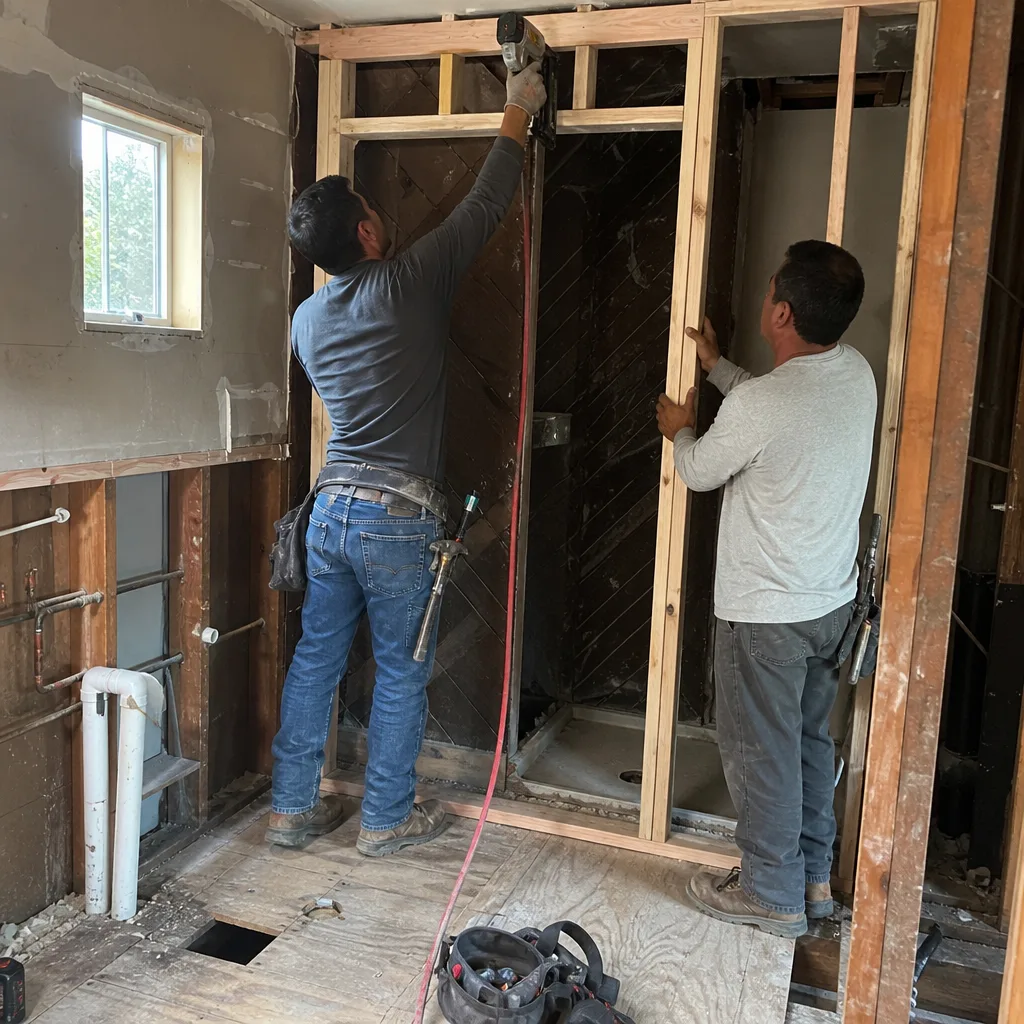
How much does paver driveway installation cost in San Diego in 2026?
Paver driveway installation in San Diego costs between $8,260 and $21,240, with most two-car driveways landing in the $11,000-$15,000 range when installed with standard concrete pavers on a properly compacted base. The low end reflects smaller single-car driveways with minimal demo; the high end reflects larger footprints with natural stone or premium paver products like Techo-Bloc Blu 60. Call (858) 434-8926 for a free written estimate on your specific project.
Is paver installation more expensive than concrete in San Diego?
Yes – paver driveway installation runs $8,260-$21,240 compared to $5,310-$14,160 for concrete. The upfront cost difference is real. The offset is that pavers can be lifted and reset individually when settling occurs or when utilities need access, avoiding the cost of breaking out and repouriing a slab. In San Diego’s clay-heavy inland soils, where ground movement is a realistic factor, that repairability has practical value over a 15-20 year horizon.
How long does paver driveway installation take in San Diego?
Most standard two-car paver driveways take 3 to 5 working days from demo to finished polymeric sand application. Larger projects with significant grading, drainage work, or complex patterns run 5 to 8 days. The longest part of the process is often base compaction, which can’t be rushed – compaction in lifts takes the time it takes. Rowan provides a project timeline in writing alongside the written price so you know what to expect before the crew arrives.
Do I need a permit for a paver driveway in San Diego?
In most cases, a standard paver driveway replacement on an existing footprint does not require a City of San Diego building permit. However, permits are required when the project involves grading changes, drainage modifications that affect adjacent properties, or when the property is in a coastal overlay or hillside review zone. HOA approval is a separate requirement in many San Diego planned communities. Rowan assesses permit requirements during the site visit and handles the documentation as part of the project scope – it’s factored into the written price, not added later.
Can pavers be installed over an existing concrete driveway?
Technically yes, but Rowan does not recommend overlay installation as a standard practice. Paving over existing concrete adds height to the driveway surface, which can create conflicts with garage thresholds, existing drainage patterns, and adjacent landscaping grades. It also eliminates the ability to inspect and correct the base, which is where most long-term driveway problems originate. The cost difference between an overlay and a proper demo-and-reinstall is real – demo adds $1,200 to $3,400 – but the installed driveway performs differently over time. The written quote will include both options if you want to compare them directly.
What paver brands does Rowan use on San Diego driveways?
Rowan sources primarily from Belgard and Techo-Bloc, both of which manufacture concrete pavers specifically engineered for vehicular load. Belgard’s Mega Arbel and Holland Stone lines are common specifications for San Diego driveways; Techo-Bloc’s Blu 60mm series is a frequent choice for higher-end projects where the surface texture and edge profile matter as much as structural performance. The written quote names the specific product, not just the brand – so you can verify the spec independently before signing anything.
Key Takeaways
- Paver driveway installation in San Diego costs $8,260-$21,240; most two-car projects land at $11,000-$15,000.
- Base preparation is the most consequential line item – San Diego’s clay soils in inland areas require a deeper compacted base than coastal sandy sites.
- Demo of existing concrete or asphalt adds $1,200-$3,400 and should be in any complete quote.
- Pavers cost more upfront than concrete ($5,310-$14,160) or asphalt ($4,130-$10,620) but offer individual-unit repairability that changes the long-term cost picture.
- Drainage built into the original install is less expensive than re-leveling pavers after water damage.
- Rowan delivers a flat written price before any work starts – no verbal ballparks, no scope gaps discovered after the job begins.
- The 365-Day Done Right Promise applies to all paver work; the written warranty is included in project documentation, not offered verbally.
Ready to get a number in writing? Call (858) 434-8926 and Rowan will schedule a site visit, document the existing conditions with photos, and deliver a written flat price for your San Diego paver driveway. Estimates are free. The written price is always the starting point – and it’s designed to be the ending point too. You can also visit our home page to learn more about the full range of construction services Rowan offers across San Diego.
Written by Grant Rowan, Owner at Rowan Construction Group, serving San Diego since 2007.
Pricing reflects the San Diego market as of 2026. Rowan Construction Group San Diego offers free estimates – call (858) 434-8926.
What Our Customers Say
"Fence and retaining wall along a sloped boundary. They photographed the footing depth at each post, which mattered when the county inspector came."
- Iona F."Solid work, decent crew, and the site was left tidy every evening."
- Pearl A."They found an old septic line under the driveway run and stopped, documented it, and re-quoted before continuing."
- Xavier L.