
Free written scope consultation - allowances, timeline, and change-order rules on paper before a single trade is scheduled
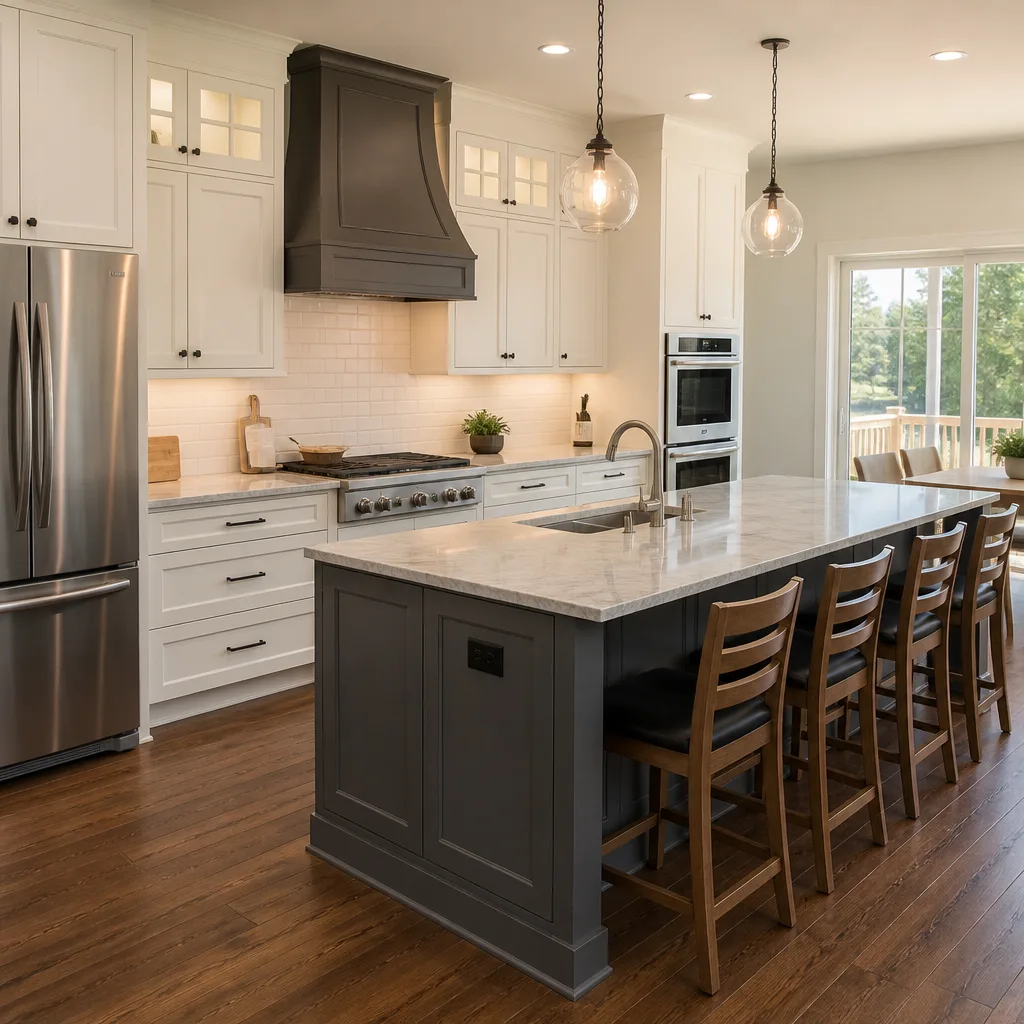
 Before
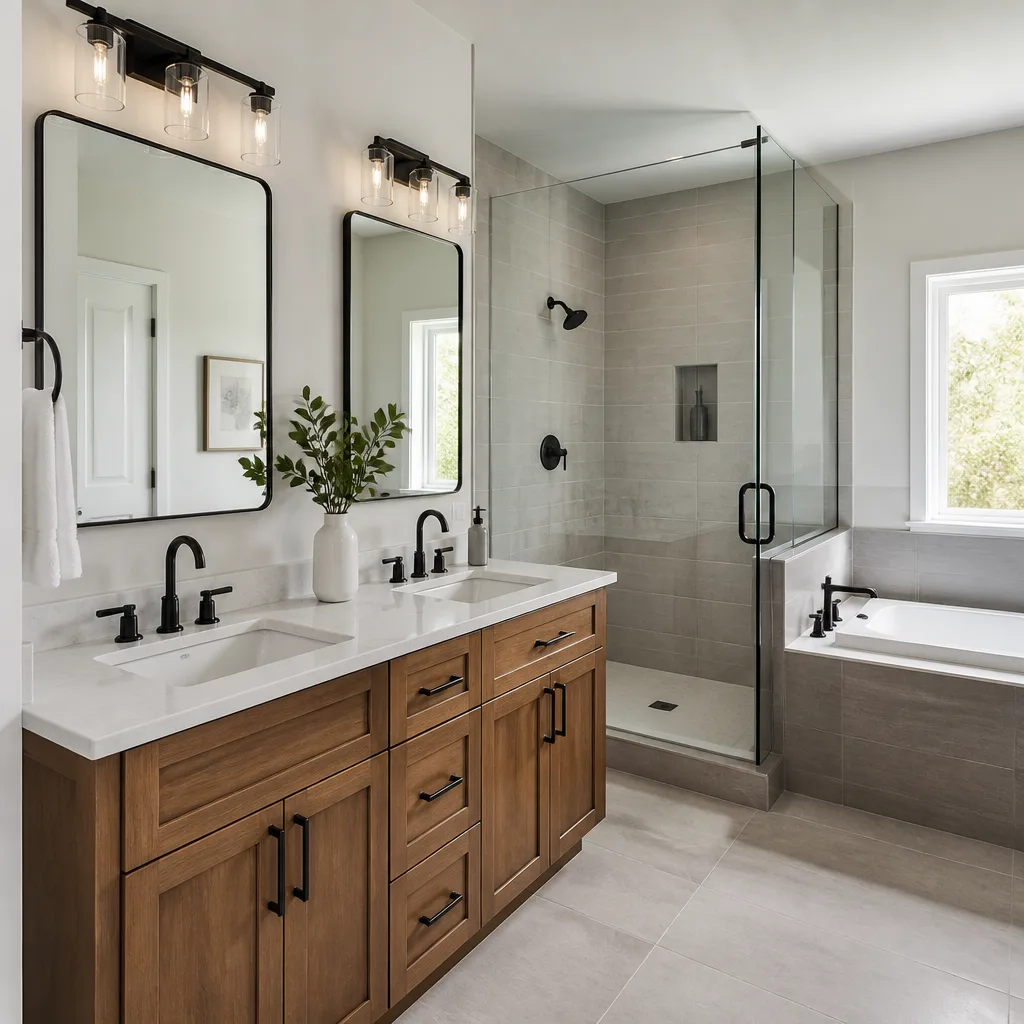
 After
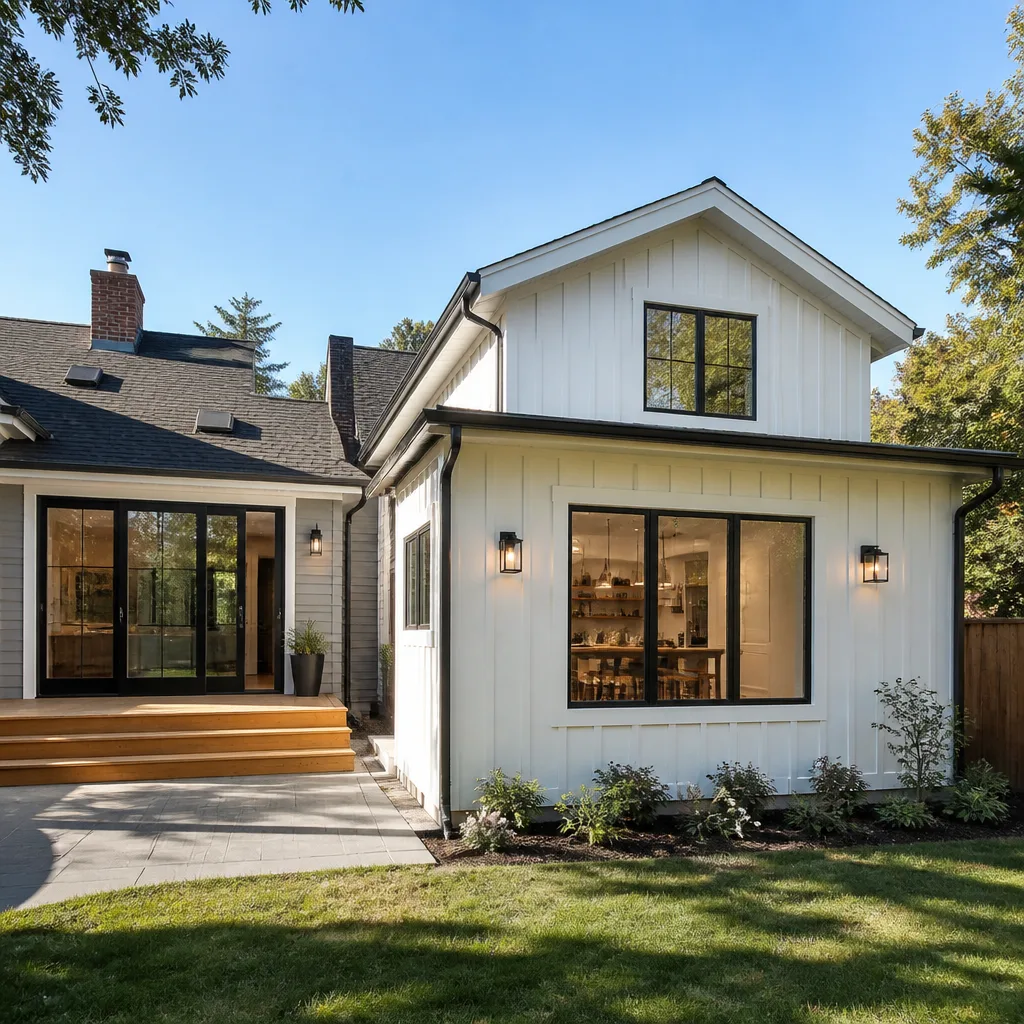
After Before
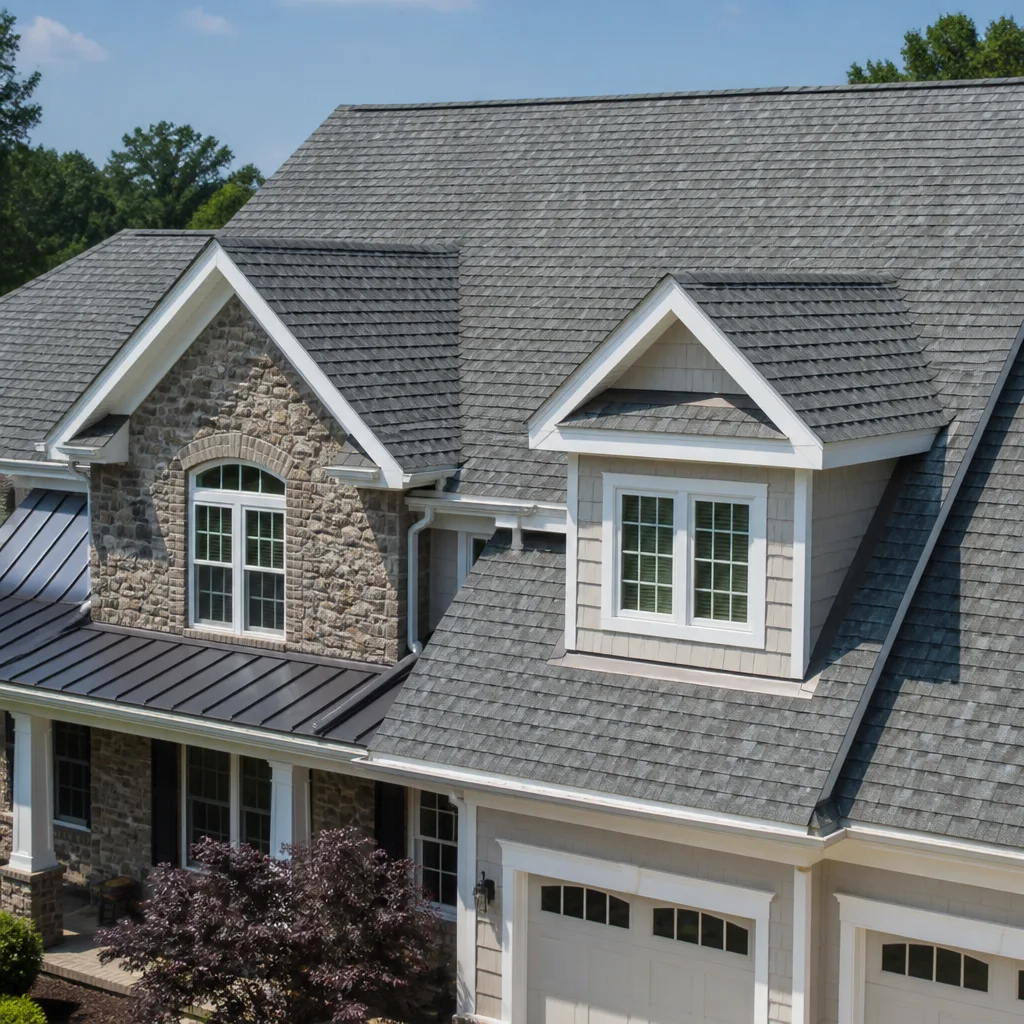
 After
After Before
 After
AfterCGI Driveway & Pavers: The San Diego Owner’s Guide
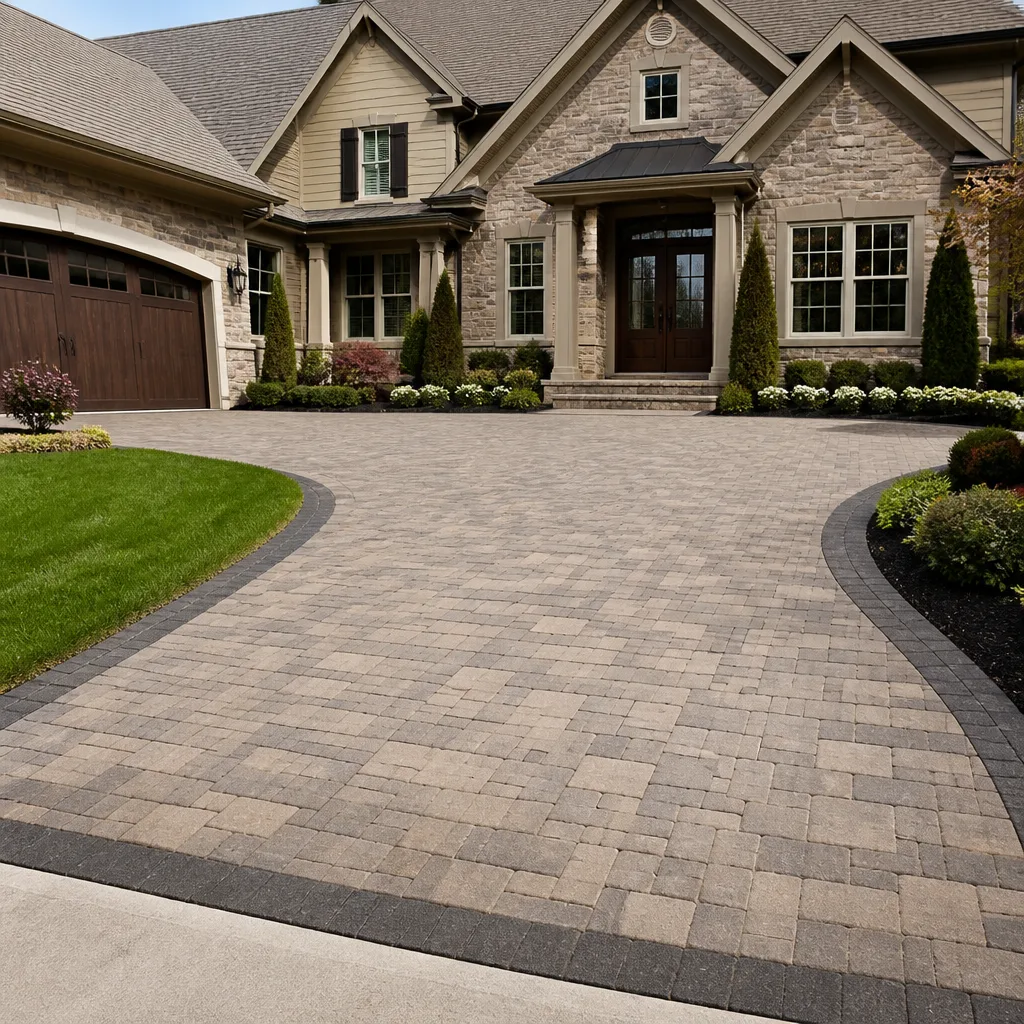
CGI-compatible driveway and paver components in San Diego typically run $8,260-$21,240 installed for paver driveway work and $5,310-$14,160 for concrete, with most replacement parts available same-day once we confirm your series. We stock common CGI edge restraints, permeable paver base panels, and interlocking joint sand systems on our trucks throughout San Diego County. Most homeowners realize something’s wrong when they notice shifting pavers after winter rains, pooling water where drainage used to work, or edge creep that’s creeping toward the garage slab - the kind of slow failure that turns a small fix into a full perimeter rebuild if you wait too long.
Which CGI Models This Applies To
CGI, or Concrete Grid International, produces several interlocking paver systems and permeable pavement products used across Southern California. The series you’ll most commonly find in San Diego are the CGI Grid system for grass or gravel infill driveways, the Permeable Paver line for stormwater management compliance, and the structural base panels sold under the CGI Edge and Lock brand family.
To identify your exact part, look for the molded stamp on the underside of any lifted paver - CGI marks the series code and manufacturing date in a 3/4-inch rectangle, usually near a corner. For base panels, the spec label is on the top face before installation; if your driveway is already in, we measure panel thickness (typically 1.5-inch or 2-inch for residential load ratings) and check lock geometry - the older CGI Snap-Lock uses a male-female tab system, while current Grid systems use a pin-and-ring connector that is not backward compatible. We’ve seen homeowners in Mission Hills and La Jolla order the wrong edge restraint because they assumed all CGI products share fasteners; they don’t. The OEM part is usually available through CGI’s West Coast distributor in two to three days, but we stock quality aftermarket equivalents from Belgard and Techo-Bloc that match CGI specs and carry the same load ratings - the decision comes down to whether your HOA or municipal inspector requires original manufacturer documentation, which we can verify before ordering.
Signs Your CGI Driveway & Pavers Is Failing
- Pavers shifting or rocking under tire weight. This usually means the bedding sand layer has washed out or the CGI base panel underneath has cracked. In San Diego’s clay-heavy soils, especially in neighborhoods like Clairemont and Kearny Mesa, seasonal expansion pushes panels apart at the locks.
- Standing water where drainage used to work. CGI permeable systems rely on joint aggregate and an open-graded base; when fines migrate upward from native soil, the void space clogs. We see this most often on properties where the original installer skipped the geotextile separation layer.
- Edge restraints pulling away from the perimeter. The plastic or aluminum edging that holds pavers in place degrades in UV exposure - San Diego’s 260-plus annual sunny days accelerate this. Once the edge goes, the field pavers migrate outward and the pattern unravels.
- Weeds growing through joints despite previous control. This signals that the polymeric sand or joint stabilizer has broken down. CGI systems use specific joint widths; standard mason’s sand washes out faster than the graded material the spec calls for.
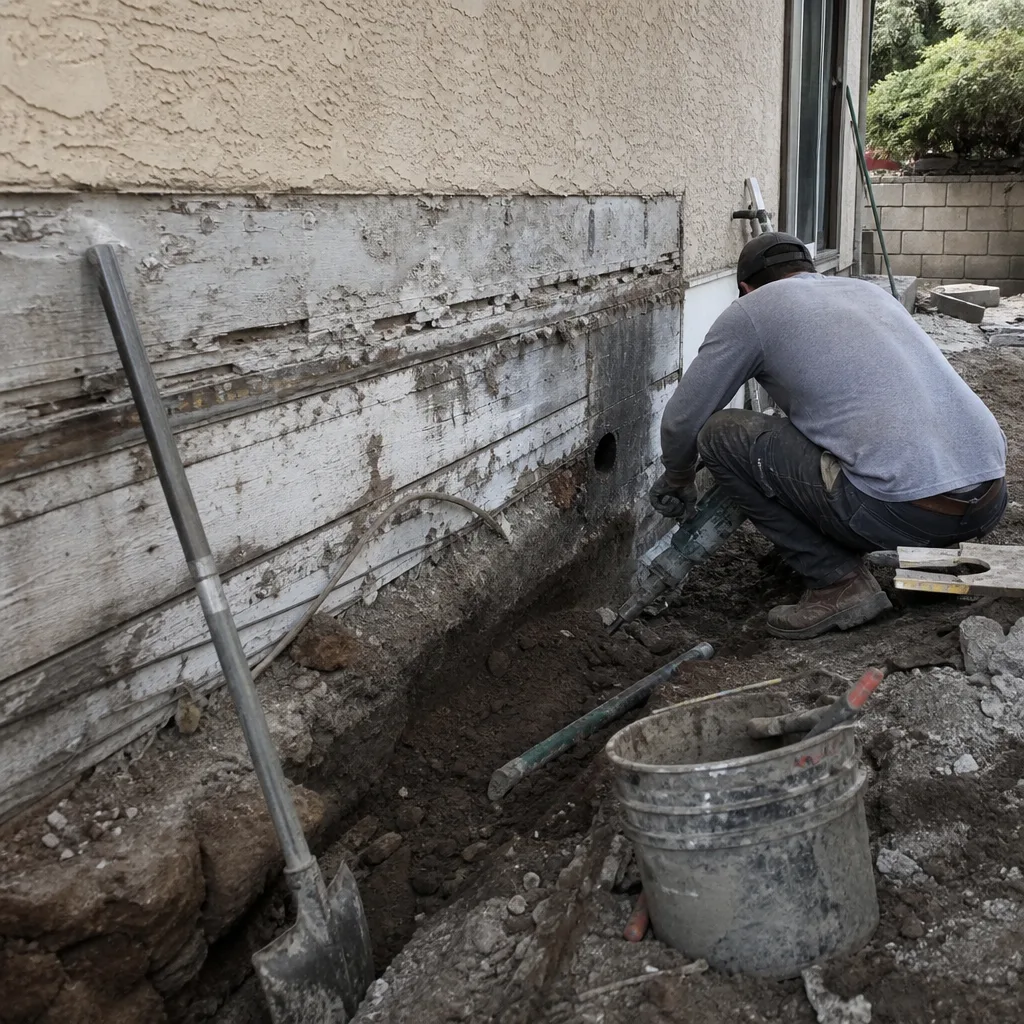
- Sunken or humped sections near downspouts or irrigation lines. Water intrusion undermines the compacted aggregate base. In our experience on older San Diego homes, this is often traced to a broken lateral line or a gutter that dumps directly onto the driveway edge without a splash block.
 Before
 After
AfterReplacement Cost & What’s Included
For CGI driveway and paver work in San Diego, our installed pricing runs $8,260-$21,240 for paver driveway installation and $5,310-$14,160 for concrete, with spot repairs and partial replacements falling lower depending on scope. What drives the range is simple: square footage, whether we need to remove and recompact the aggregate base, and whether your municipality requires a permit for the repair - San Diego’s Development Services Department typically exempts spot paver reset under 200 square feet, but full perimeter edge replacement on a corner lot can trigger review.
Every quote we write includes the part, bedding material, joint sand or stabilizer, and labor with compaction to 98% modified Proctor density - we don’t quote paver work without specifying the compaction standard because that’s where callbacks start. Under Clause 1 of the Haven Standard, you get the full price in writing before we lift a paver. The 365-Day Done Right Promise covers the installation; manufacturer defects on CGI materials are handled through their warranty, which we document and file on your behalf.
DIY or Call Us?
There’s a safe middle ground here. A homeowner can lift a single paver to check for the CGI stamp, photograph the panel condition underneath, and verify whether the edge restraint is simply loose or actually cracked - that’s useful information and it won’t hurt anything. What goes wrong is what comes next. Recompacting aggregate base requires a plate compactor rated for the paver system; hand-tamping leaves voids that telegraph through in six months. Polymeric sand installation demands completely dry conditions and precise water activation - we’ve been called to redo DIY jobs in Pacific Beach where the homeowner activated the sand during marine layer moisture, creating a haze that never fully cleared.
And if you’re dealing with a permeable CGI system tied into a municipal stormwater credit, altering the drainage profile without documentation can void your compliance status. Measure twice, document once, then we can talk price - that’s how we approach it, and it’s usually faster to have us handle the match and install than to chase the wrong part twice. Call (858) 434-8926 when you’re ready to schedule your free estimate.
FAQs
How long do CGI driveway pavers last in San Diego?
CGI pavers themselves are rated for 50-plus years, but the installation components - edge restraints, joint sand, base panels - typically need attention every 12 to 18 years in San Diego’s climate, with UV and salt air accelerating the shorter-lived elements. Call (858) 434-8926 for an exact quote on your specific condition - estimates are free.
Can CGI pavers be repaired instead of replaced?
Individual pavers can be lifted and reinstalled if the base is intact; if the CGI base panel is cracked or the bedding layer contaminated, partial replacement of the substrate is necessary - we assess this on site and quote both scenarios. Call (858) 434-8926 for an exact quote - estimates are free.
How long does a CGI paver repair take?
Most spot repairs run one to two days; full driveway replacement with CGI materials typically takes three to five days including base prep and compaction, with an additional 24-hour cure on polymeric sand before vehicle traffic. Call (858) 434-8926 to schedule - estimates are free.
Do you stock CGI parts on your trucks?
We stock CGI-compatible edge restraints, base panels, and joint materials daily; exact color-matched pavers from specific CGI production runs may need next-day delivery from the West Coast distributor, which we coordinate and confirm before we start. Call (858) 434-8926 to verify availability for your model - estimates are free.
Rowan Construction Group San Diego is an independent service provider and is not affiliated with CGI. We also stock parts for and install products from KraftMaid, Cambria, and Silestone.
Written by Grant Rowan, Owner, Rowan Construction Group San Diego at Rowan Construction Group San Diego, serving San Diego and nearby areas.