
Free written scope consultation - allowances, timeline, and change-order rules on paper before a single trade is scheduled
 Before
 After
After Before
 After
After Before
 After
AfterCambridge Pavers Home Additions & ADU: The San Diego Owner’s Guide
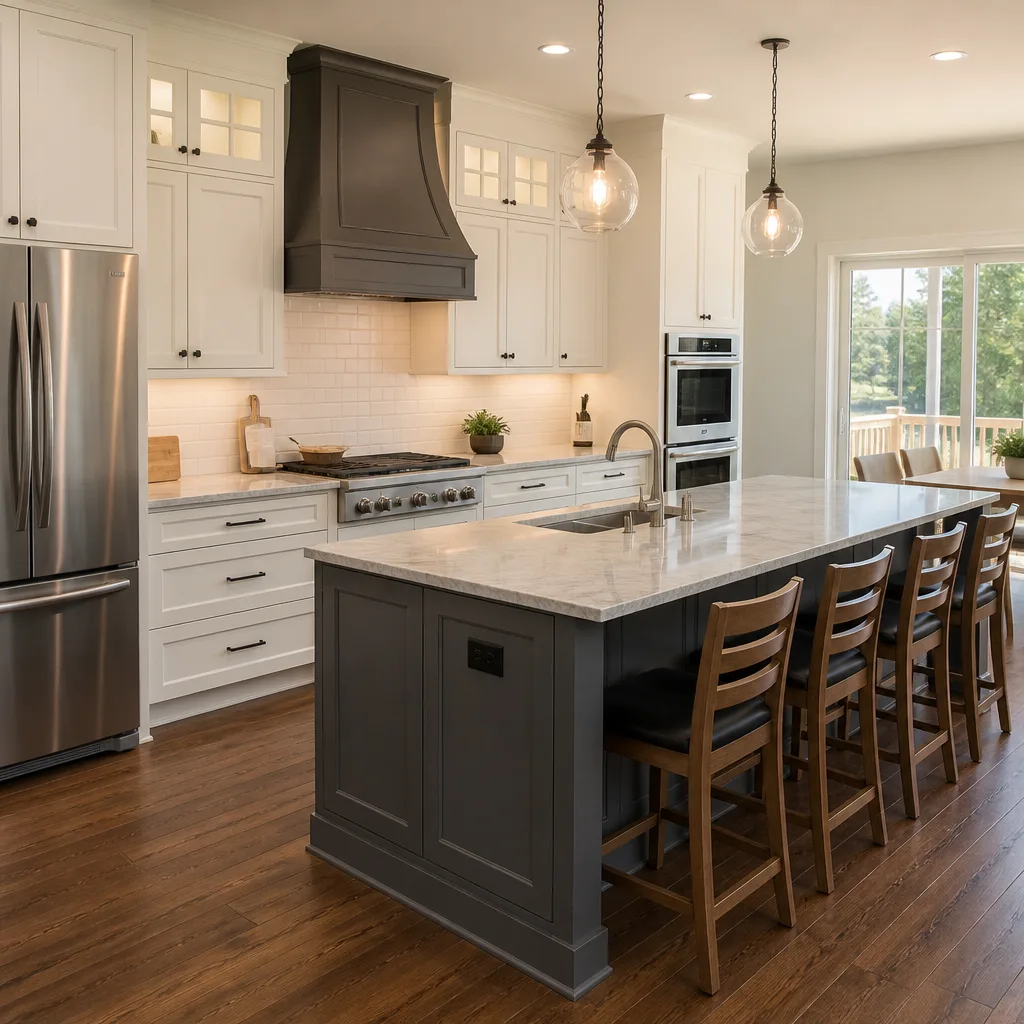
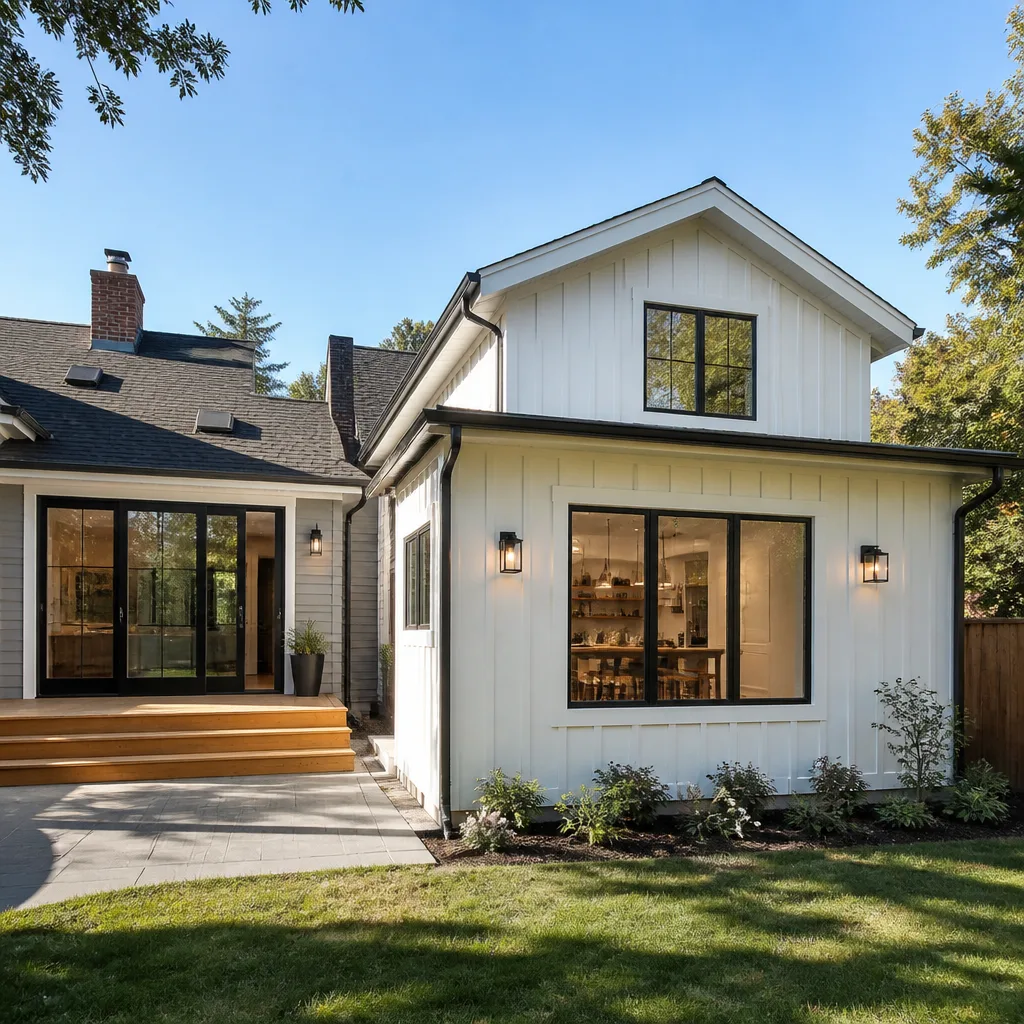
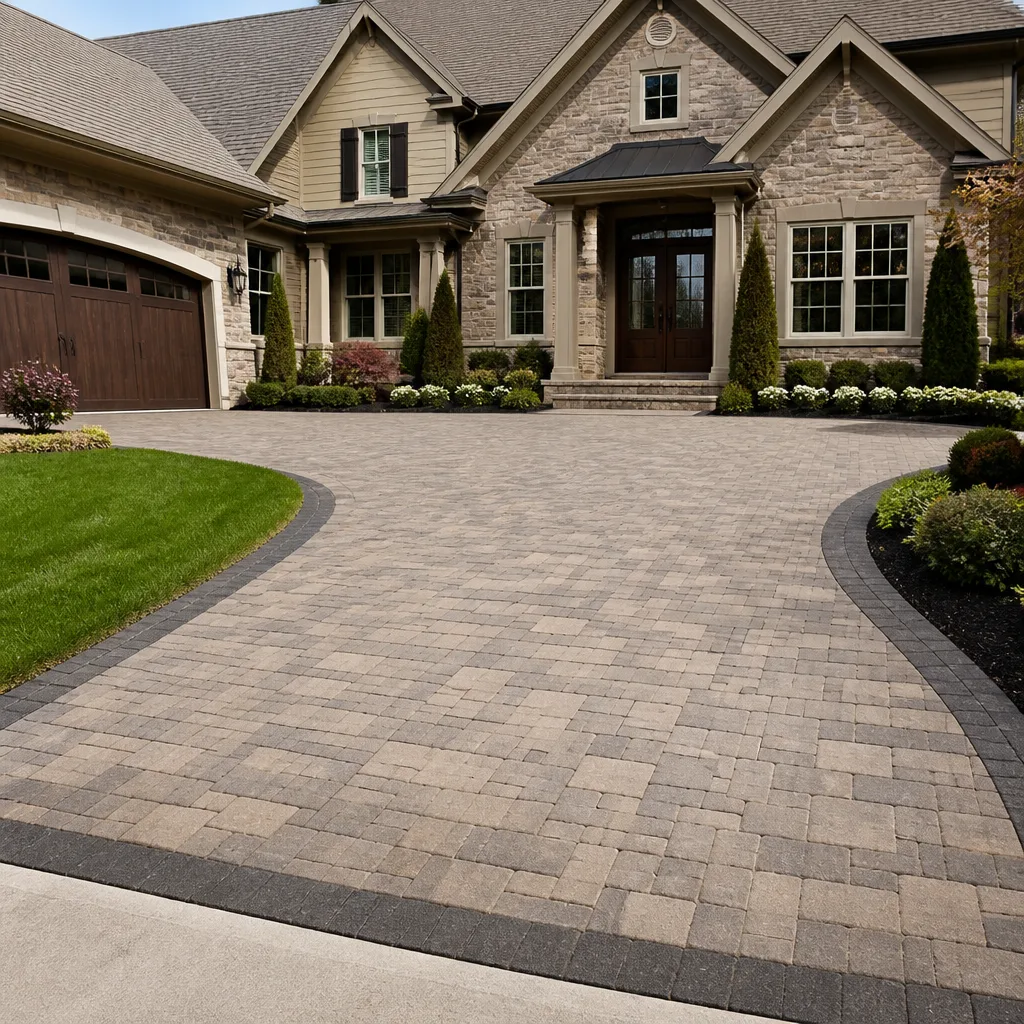
Cambridge Pavers home additions and ADU construction in San Diego typically run $53,100-$153,400 for a full addition, with ADU construction ranging $106,200-$259,600 depending on foundation type, utility tie-ins, and whether you’re matching existing Cambridge Pavers hardscape from a prior patio or driveway install. We stock and install Cambridge Pavers-compatible systems for these projects, and we can usually schedule your free estimate within 24-48 hours. Most San Diego owners discover their Cambridge Pavers hardscape needs integration work when they’re expanding a patio into a room addition or converting a garage, and the existing paver base doesn’t match the new foundation elevation or drainage plan.
Which Cambridge Pavers Models This Applies To
Cambridge Pavers produces several lines that surface in San Diego home additions and ADU projects, primarily the ArmorTec, Ledgestone, and Limestone Quarry series. The critical compatibility issue isn’t the paver face pattern, it’s the base system: Cambridge’s 2-3/8″ thick pavers require a different compacted aggregate depth than their 1″ overlay products, and mixing the two on the same plane creates a trip hazard where old patio meets new foundation. Check the paver edge for the stamped Cambridge logo and a two-digit year code, or measure thickness with a straightedge. For OEM matching, we source direct from Cambridge’s West Coast distribution in Ontario, California, though we also stock Belgard and Techo-Bloc equivalents when the original series has been discontinued. The aftermarket decision hinges on whether your addition needs structural load-bearing capacity (vehicle traffic, heavy footings) or purely aesthetic continuity; ArmorTec’s surface layer holds color longer in San Diego’s UV exposure, but a quality equivalent from Techo-Bloc at 6,000 PSI compressive strength performs identically for residential ADU walkways.
Signs Your Cambridge Pavers Integration Is Failing
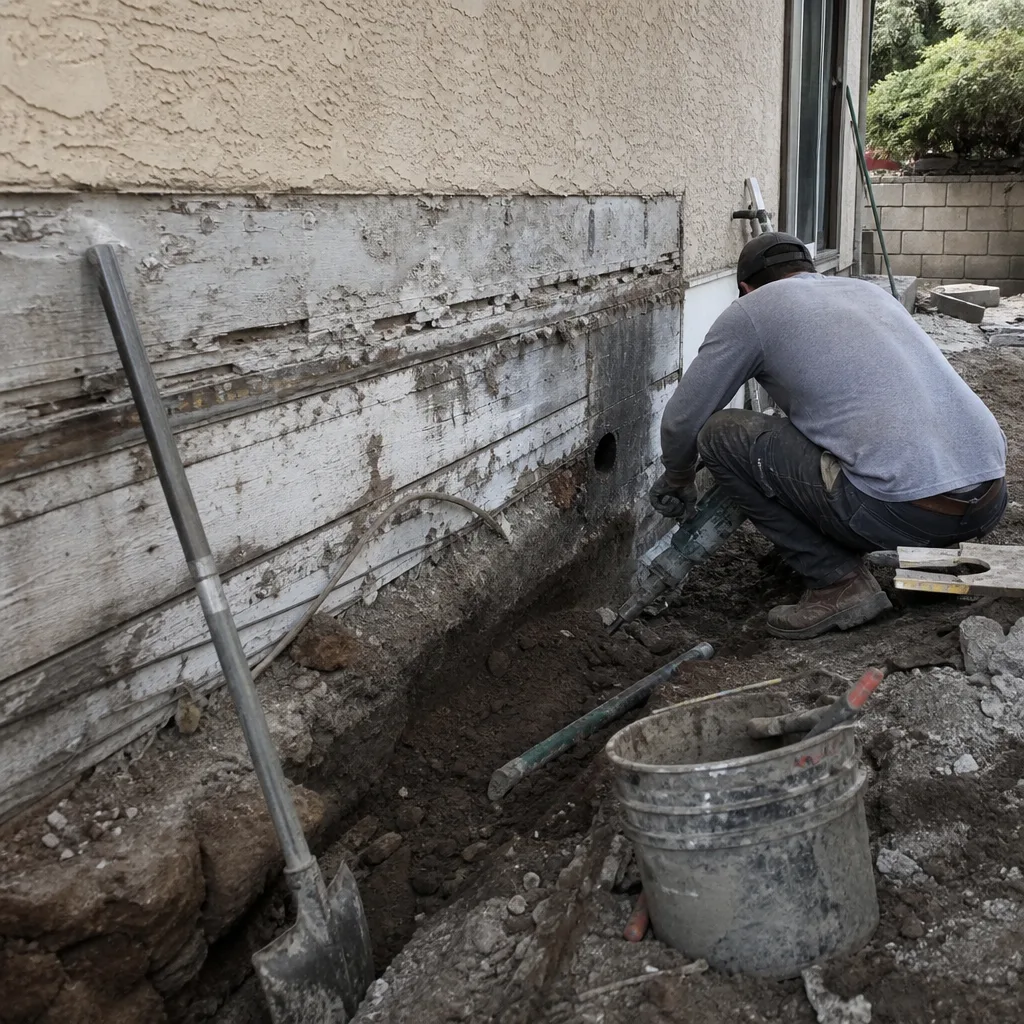
- Settlement gaps between existing patio and new foundation wall. The compacted base under your original Cambridge Pavers was likely 4-6″ of Class II aggregate, but garage conversions and room additions often pour a monolithic slab that stops at the old edge without a keyed joint. Water infiltrates, the base migrates, and a 1/2″ gap becomes a 2″ step within two rainy seasons in San Diego’s clay-heavy soils.
- Efflorescence blooming on pavers adjacent to the new structure. White mineral deposits mean moisture is moving through the joint sand and evaporating at the surface. In additions where the roof downspout discharges near the paver edge, or where the ADU slab was poured without a weep screed (the perforated drainage strip at slab base), this is nearly guaranteed within 18 months.
- Pavers rocking or sounding hollow underfoot near the transition. The bedding sand layer, typically 3/4″ screeded over base, has washed out or the edge restraint (the plastic or concrete border that locks the field) failed when the new foundation backfill settled. This is common in San Diego’s canyon lots where fill was imported.
- Cracking in the new slab radiating toward the paver edge. The addition’s concrete and the flexible paver system move at different rates; without an isolation joint filled with backer rod and polyurethane sealant, the rigid slab loses. We’ve traced cracks in La Jolla additions back to a missing 1/2″ expansion gap that should have been spec’d in the original permit drawings.
- Drainage pooling against the new ADU wall after rain. Cambridge Pavers are permeable at the joints, but not if the grade was flattened to meet a slab. San Diego’s 10-12″ annual rainfall concentrates in brief, intense events; a 1% slope away from structure is code minimum, and we regularly find additions finished dead level.
 Before
 After
AfterReplacement Cost & What’s Included
For Cambridge Pavers integration work tied to a home addition or ADU in San Diego, project pricing falls within our standard addition range of $53,100-$153,400, with specific hardscape remediation typically representing 8-15% of that total. A standalone paver transition repair, where we’re removing 40-80 square feet of existing field, regrading base, installing proper edge restraint, and relaying with matched or equivalent product, generally runs $4,130-$12,980 depending on access, disposal, and whether we need to saw-cut the slab for a clean joint.
Our written quote itemizes: paver unit cost per square foot (Cambridge ArmorTec runs higher than Ledgestone), base material and compaction, bedding sand, edge restraint type (steel spike vs. concrete mow strip), joint sand with stabilizing sealer, and labor by the square foot. Under Clause 1 of The Haven Standard, that price is fixed; if we encounter unsuitable subgrade requiring deeper excavation, the change order is written and signed before the shovel goes back in. Every project carries our 365-Day Done Right Promise, and the documented photo record shows base condition, compaction test results if specified, and final grade verification.
DIY or Call Us?
There’s safe checking, and then there’s work that needs a crew. An owner can verify paver thickness with a ruler, photograph the Cambridge stamp for our team to identify series, and confirm whether downspouts discharge within 5 feet of the paver edge. That’s useful information that speeds our estimate.
What doesn’t work DIY: base compaction requires a plate compactor at 3,000-5,000 pounds centrifugal force, something most homeowners don’t own and shouldn’t rent for a one-off. More critically, cutting concrete or pavers with a wet saw creates silica dust; cutting against a foundation wall risks structural damage if the blade wanders. And in San Diego’s older neighborhoods like North Park or South Park, the original patio may have been laid over undocumented utility lines or a septic leach field that predates city sewer connection. We pull permits, call for utility locates, and carry the insurance if something goes sideways. Call (858) 434-8926 to schedule your free estimate, and we’ll measure twice, document once, then we can talk price.
FAQs
Cambridge ArmorTec pavers carry a lifetime warranty against manufacturing defect, and in San Diego’s coastal climate, expect 25-30 years of serviceable life before surface wear becomes aesthetic concern. The integration points, new foundation to old hardscape, are the vulnerability; proper base prep and isolation joints at installation prevent the settlement that typically fails first. Call (858) 434-8926 for an exact quote on your transition, estimates are free.
Individual pavers can be lifted and reinstalled if the base is sound and the edge restraint intact, but in addition work the base is almost never sound at the transition. We assess by probing with a steel rod; if resistance is uniform, relaying works. If the rod sinks easily, base reconstruction is necessary. Call (858) 434-8926 and we’ll probe it during the free estimate.
A 40-80 square foot transition repair, base to final sealer, is typically two to three crew-days: one for removal and base prep, one for bedding and laying, a cure day for joint sand stabilization. We sequence this within the broader addition schedule so it doesn’t delay interior work. Call (858) 434-8926 to coordinate timing with your project.
We stock Techo-Bloc and Belgard equivalents on our San Diego yard for immediate deployment; Cambridge-specific colors and the ArmorTec surface layer we order from Ontario, California distribution with a 5-10 business day lead depending on color. For projects with schedule pressure, we can often source from Cambridge’s remaining West Coast inventory same-week if the color is standard. Call (858) 434-8926 to check current stock against your existing installation.
Written by Grant Rowan, Owner, Rowan Construction Group San Diego at Rowan Construction Group San Diego, serving San Diego and nearby areas.