
Last updated September 25, 2026
Free written scope consultation - allowances, timeline, and change-order rules on paper before a single trade is scheduled
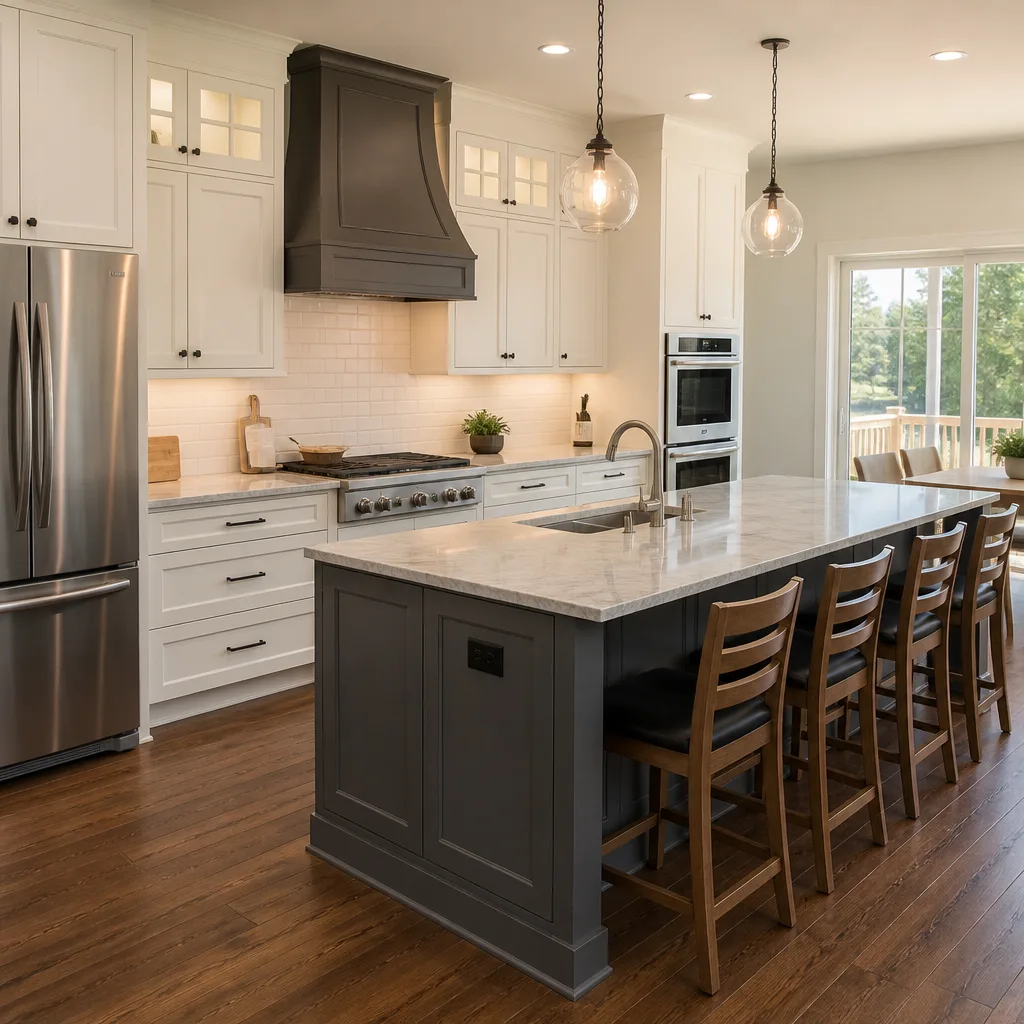

 Before
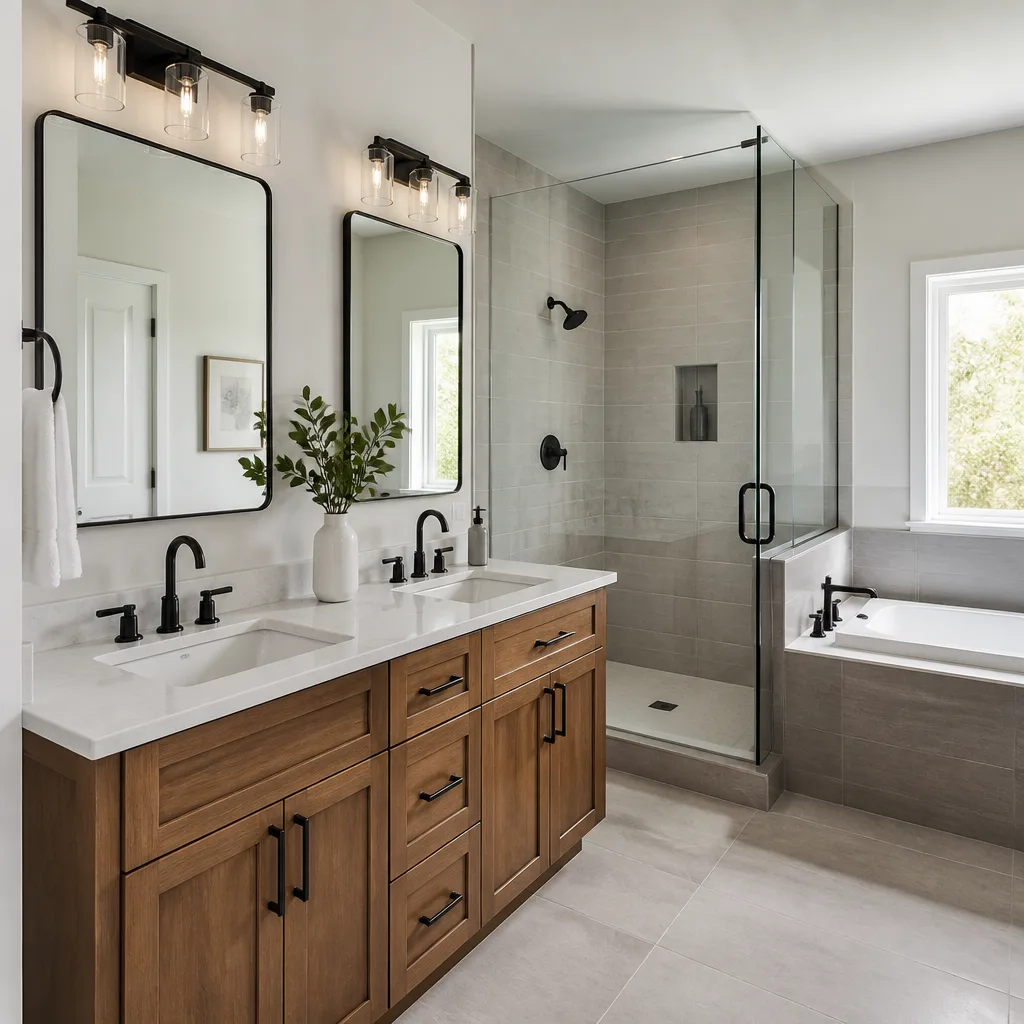
 After
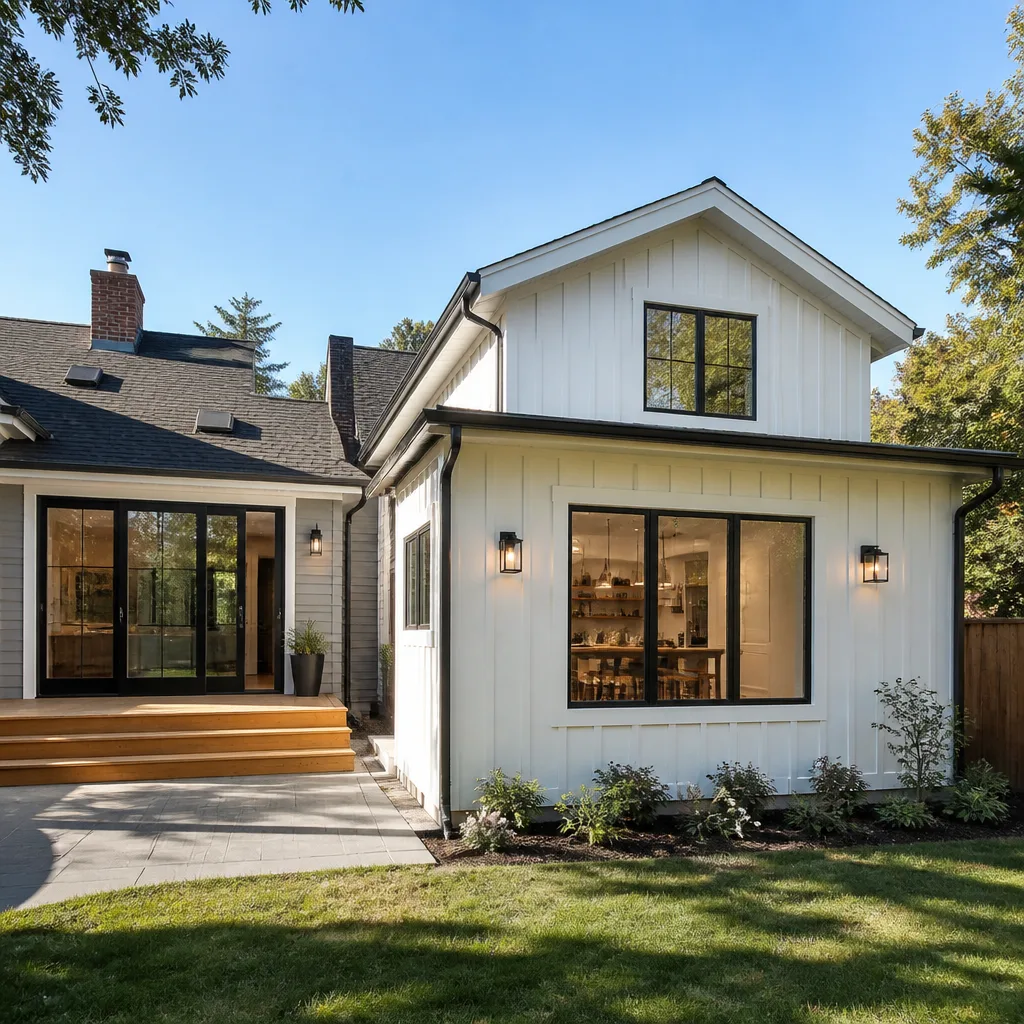
After Before
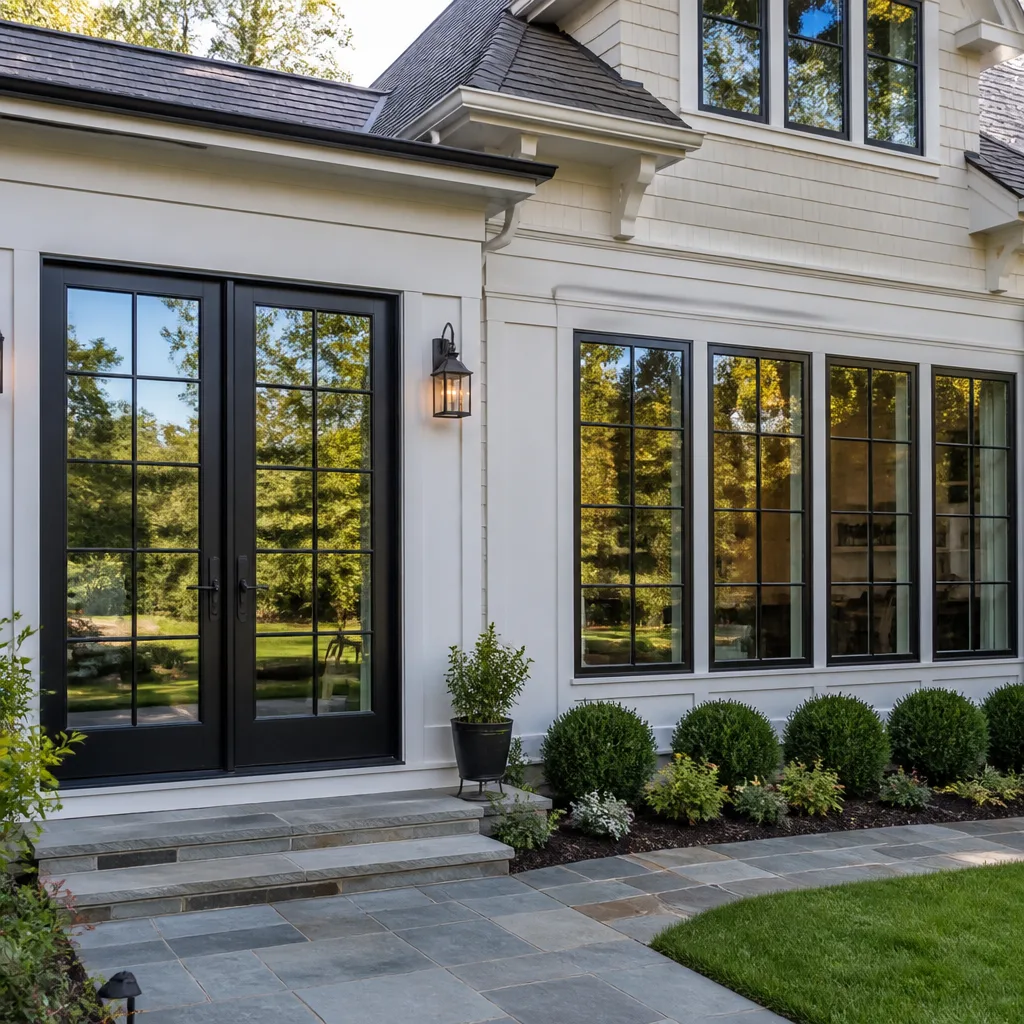
 After
After Before
 After
AfterDIY vs Professional Construction: The San Diego Homeowner’s Decision Guide
California law allows owner-builders to pull permits for their own primary residence - but it also requires them to sign a disclosure stating they understand they cannot sell the property within one year without disclosing their owner-builder status, and that lenders may treat unpermitted owner-built work as a defect. Most DIY guides skip that disclosure entirely. In San Diego, where median home values have climbed past $900,000 and complaint-driven permit audits are increasingly common, the real question isn’t whether you can do the work yourself. It’s whether the permit exposure, insurance liability, and resale complications make DIY a genuine savings or a deferred cost. This guide maps the legal and financial boundaries first, then addresses skill within those boundaries.
Quick Answer
Homeowners in San Diego can legally self-perform and permit many cosmetic and non-structural projects, but California statute requires a licensed contractor for electrical panel work, gas line modifications, load-bearing structural changes, and anything exceeding $500 in combined labor and materials that isn’t your own primary residence. The break-even point for hiring a professional typically falls between $3,000 and $8,000 in project value, once permit fees, tool rental, material waste, time value, and insurance risk are calculated honestly.
Table of Contents
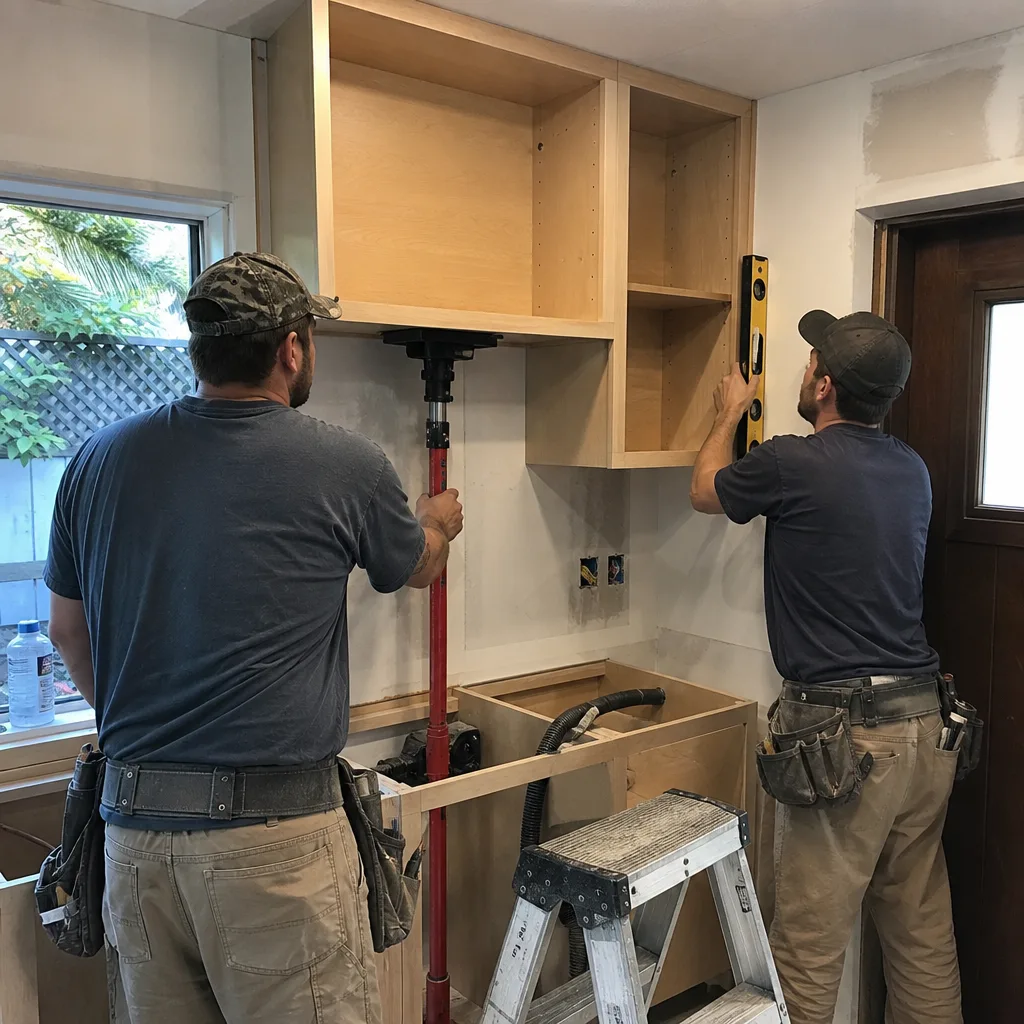
- California Owner-Builder Permit Rules: What’s Actually Legal
- The Insurance Gap: What Your Policy Won’t Cover
- True Cost Comparison: How to Calculate DIY Honestly
- San Diego’s Complaint-Driven Permit Audit Process
- The Hybrid Model: What You Can Safely Self-Perform
- Trade-by-Trade: DIY, Hybrid, or Pro?
- Common Mistakes to Avoid
- When to Call a Professional
- Frequently Asked Questions
 Before
 After
AfterCalifornia Owner-Builder Permit Rules: What’s Actually Legal
California Business and Professions Code Section 7044 allows an owner of property to act as their own contractor under specific conditions. The owner must reside in the property, the work must be on that primary residence, and the owner must personally perform the work or act as their own project manager without paying individual workers more than $500 in wages. Exceed that wage threshold, and you cross into contractor licensing territory whether you hold a license or not.
The owner-builder permit application in San Diego requires a notarized disclosure. That disclosure contains language most applicants skim: the owner acknowledges that work performed under an owner-builder permit cannot be sold within one year without disclosure, that lenders may require additional inspection or refuse to finance the purchase, and that the owner assumes full liability for code compliance. We’ve reviewed disclosure packets at Rowan Construction Group San Diego home offices where homeowners initialed each page without understanding that the one-year clock starts at final inspection, not at permit issuance.
What requires a licensed contractor regardless of owner-builder status:
- Electrical panel upgrades, service changes, or any work on the line side of the main breaker
- Gas line installation, modification, or appliance connections beyond a simple stove swap
- Load-bearing wall removal or modification, including most kitchen and bathroom openings
- Foundation work, retaining walls over four feet, and seismic retrofitting
- Plumbing work beyond fixture replacement on existing supply and waste lines
- Roofing on structures other than your primary residence, or any roofing where the contract value exceeds $500
The $500 threshold is cumulative across the project, not per-person. Hire three workers for $200 each, and you’ve triggered contractor licensing requirements. The Contractors State License Board enforces this through sting operations and complaint-driven investigations. In 2024, CSLB Region 10, which covers San Diego and Imperial counties, conducted 312 enforcement actions against unlicensed operators, a 23% increase from 2022.
Permit jurisdiction matters. The City of San Diego Development Services Department processes owner-builder permits for properties within city limits. Unincorporated San Diego County falls to the County Department of Environmental Health and Land Use. Each has different fee schedules, inspection timelines, and documentation requirements. A permit valid in Encinitas may not transfer to San Diego proper, and the reverse is equally true.
The Insurance Gap: What Your Policy Won’t Cover
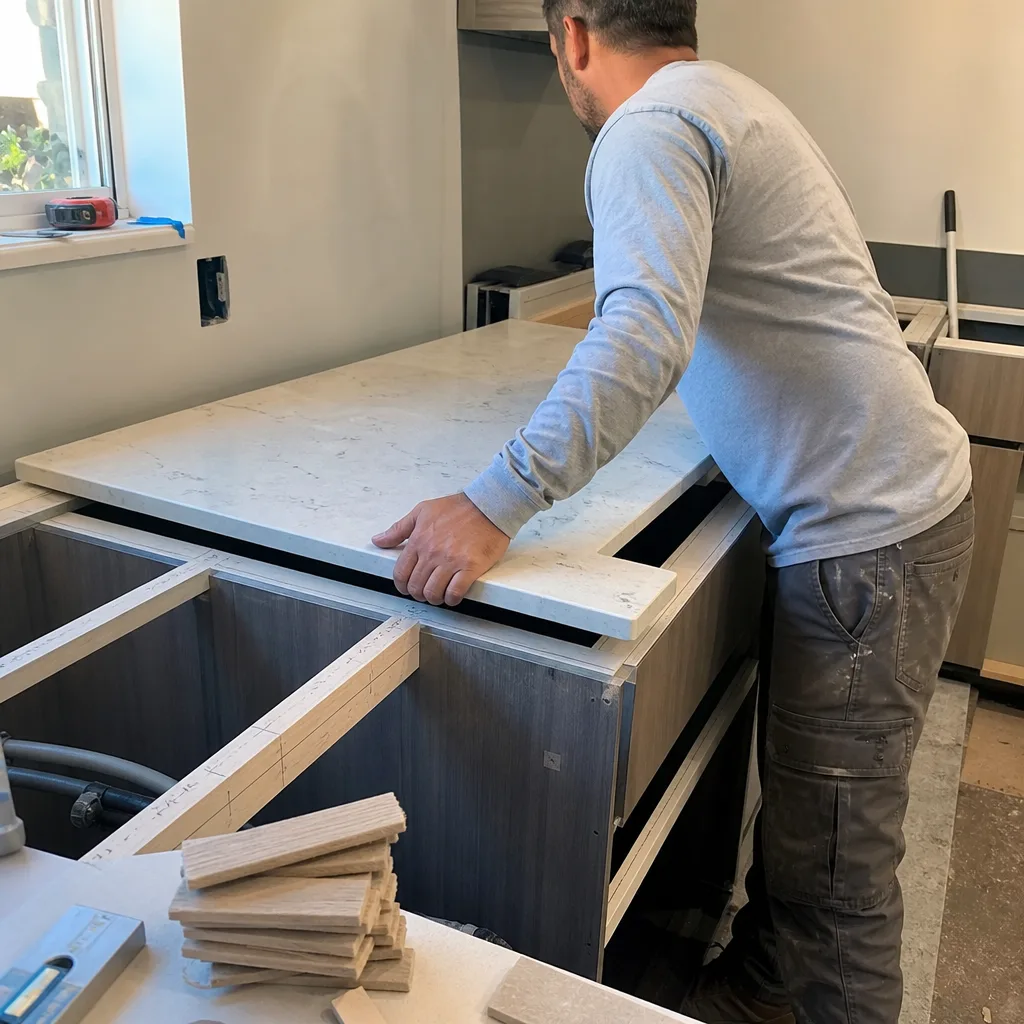
Standard homeowner’s insurance policies in California contain exclusions for damage arising from faulty, inadequate, or illegal construction. The language varies by carrier, but the core exclusion is consistent: if the damage traces to work performed without proper permits, without licensed contractors where required, or outside the scope of the policy’s defined “occasional repairs” provision, the insurer may deny the claim entirely.
We’ve seen this play out in San Diego neighborhoods from Clairemont to Rancho Bernardo. A homeowner self-performs a bathroom remodel, doesn’t pull a permit for the shower pan membrane, and two years later the subfloor rots. The water damage claim is denied because the proximate cause was unpermitted plumbing work. The homeowner is now out the repair cost plus the deductible, and the unpermitted status must be disclosed on any future sale.
Key insurance considerations for San Diego homeowners:
- Permit compliance as condition of coverage: Some California insurers now include permit verification in their renewal questionnaires. State Farm, Farmers, and AAA have all added permit-related questions to their California homeowner applications as of 2024-2025.
- Owner-builder liability: When you act as your own contractor, you assume the liability a licensed contractor would normally carry through their general liability and workers’ compensation policies. If a friend helping you install pavers drops a Belgard retaining wall block on their foot, your homeowner’s policy may or may not respond. If it doesn’t, you’re personally liable for medical costs and lost wages.
- Workers’ compensation gap: Licensed contractors in California must carry workers’ compensation for employees. Owner-builders have no such requirement, which means no coverage for anyone injured on the project. Your umbrella policy likely excludes business activities, and DIY construction on your own home occupies a gray zone that claims adjusters scrutinize.
- Resale and title insurance: Title insurers in San Diego increasingly require permit verification for properties sold within five years of significant work. Unpermitted or owner-builder-permitted work can trigger exceptions in the title policy, making the property harder to sell or finance.
The documentation gap compounds the insurance gap. A licensed contractor provides permits, inspection sign-offs, and often a workmanship warranty. An owner-builder produces whatever records they kept. In our experience at Rowan Construction Group San Diego home, the homeowners who call us to fix DIY projects rarely have complete permit files, photo documentation, or material specifications. The next buyer, their lender, and their insurer all notice this absence.
True Cost Comparison: How to Calculate DIY Honestly
Most DIY cost comparisons stop at Home Depot receipt vs. contractor bid. That’s arithmetic, not economics. An honest calculation includes time value, tool acquisition, material waste, permit fees, and the risk-adjusted cost of errors. Here’s the methodology we use when homeowners ask us to review their DIY plans.
Step 1: Establish Your Time Value
Calculate your hourly rate from your annual income. A San Diego professional earning $120,000 annually has a time value of roughly $58 per hour before overtime, or $87 per hour if they’re sacrificing weekend or evening hours they’d otherwise spend on leisure or secondary income. A kitchen remodel that takes a professional crew 120 hours will take an inexperienced homeowner 240-400 hours. At $58 per hour, that’s $13,920 to $23,200 in time cost alone.
Step 2: Add Permit and Fee Costs
City of San Diego permit fees for common projects, 2025-2026:
| Project Type | Permit Fee Range | Plan Check Fee |
|---|---|---|
| Bathroom remodel (no structural) | $450-$780 | $280-$450 |
| Kitchen remodel with electrical/plumbing | $680-$1,200 | $420-$680 |
| Roof replacement (same pitch) | $380-$620 | $0 (over-the-counter) |
| ADU (detached, <750 sq ft) | $2,800-$4,500 | $1,800-$2,800 |
| Fence (over 6 feet) | $280-$450 | $0-$180 |
| Driveway/pavers (no expansion) | $180-$320 | $0 |
These are city fees only. County fees for unincorporated areas run 15-25% higher. School fees, park fees, and fire mitigation assessments apply to ADUs and additions in specific San Diego neighborhoods.
Step 3: Calculate Tool and Equipment Costs
Tools you don’t own must be purchased or rented. A realistic San Diego rental market snapshot:
- Wet tile saw (7-day rental): $85-$140
- Concrete mixer (per day): $65-$95
- Pneumatic nail gun set (7-day): $120-$180
- Scaffolding section (per week): $45-$75
- Dumpster (10-yard, 7-day): $450-$650
- Tile wet saw purchase (mid-grade): $280-$450
Tool purchases depreciate but rarely return value. A homeowner who buys $800 in tools for a one-time bathroom remodel recovers perhaps $200 on resale, if they bother to sell.
Step 4: Apply Material Waste Factor
Professional contractors order with waste factors derived from experience: 10% for standard flooring, 15% for tile with complex patterns, 20% for roofing with valleys and penetrations. Inexperienced DIYers typically waste 25-40% on first attempts. A Kitchen Remodeling in San Diego project with $4,000 in material at professional waste rates becomes $5,000-$5,600 at DIY waste rates.
Step 5: Risk-Adjust for Errors and Rework
Industry data from the National Association of Home Builders suggests DIY projects require professional remediation 30-40% of the time. The remediation cost typically equals or exceeds the original professional bid because demolition of failed work is required. We’ve quoted Bathroom Remodeling in San Diego projects where the homeowner’s $3,200 DIY attempt required $7,800 in remediation to achieve code compliance.
When all factors are included, the break-even threshold for most San Diego homeowners falls between $3,000 and $8,000 in project value. Below that, DIY can make economic sense for simple, non-structural, non-permit work. Above it, the time cost, risk cost, and documentation value of professional work typically outweigh the apparent material savings.
San Diego’s Complaint-Driven Permit Audit Process
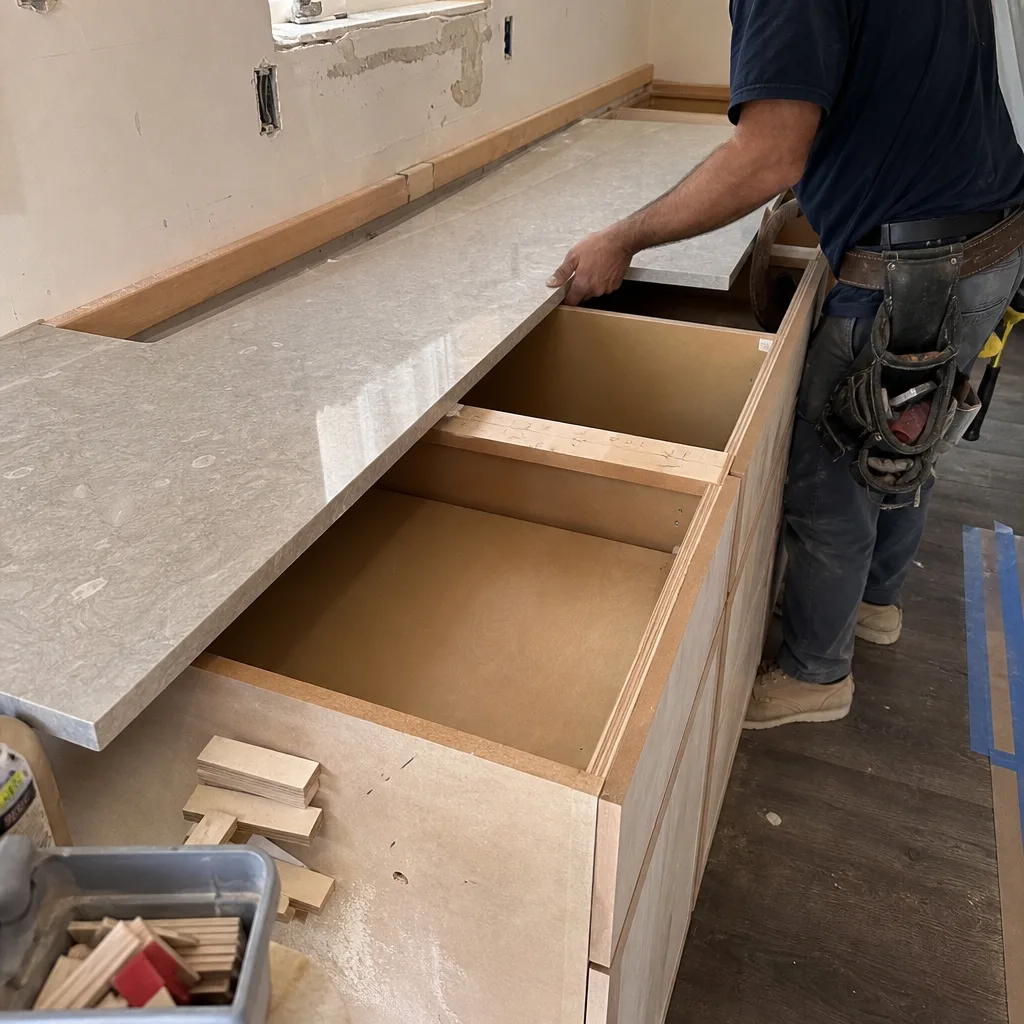
The City of San Diego operates a complaint-driven enforcement model for unpermitted construction. This means inspectors don’t proactively canvass neighborhoods, but they respond to complaints from neighbors, real estate transactions, utility work, or code enforcement sweeps. A single 311 call triggers a chain that many homeowners misunderstand until they’re inside it.
The process, once initiated:
- Complaint intake: A complaint is filed with Development Services Code Enforcement. The complainant can remain anonymous. Common triggers in San Diego include visible construction without posted permits, noise complaints that reveal unpermitted work, or neighbor disputes.
- Initial inspection: A code enforcement officer visits within 5-10 business days. They photograph the work, check for posted permits, and interview occupants if accessible. No warrant is required for visible violations from public areas or with owner consent.
- Notice of violation: If unpermitted work is confirmed, a Notice of Violation is issued with a compliance timeline, typically 30 days for minor work, 10 days for safety hazards.
- Retroactive permitting or removal: The owner must either apply for retroactive permits or remove the work. Retroactive permits require plans, inspections, and often destructive testing to verify concealed work. The fee is typically 150-200% of the original permit cost.
- Administrative citation or referral: Non-compliance results in escalating fines ($100-$2,500 per violation per day in San Diego Municipal Code) and potential referral to the City Attorney for injunctive relief.
Retroactive compliance is where costs spiral. A kitchen island installed without permits may require electrical outlet verification, structural load calculation for the countertop, and plumbing inspection for a prep sink. If the electrical was run through a wall without proper protection, drywall must be removed. If the island spans a floor joist bay without adequate support, the subfloor comes up. We’ve seen $15,000 in retroactive compliance costs on $8,000 of original unpermitted work.
Neighborhood patterns matter. In denser San Diego neighborhoods like North Park, South Park, and Normal Heights, where lot lines are tight and neighbor visibility is high, complaint rates run higher. In hillside areas like Mission Hills and University Heights, geotechnical and retaining wall violations trigger faster enforcement because of landslide risk. Coastal zones from Pacific Beach to La Jolla have additional California Coastal Commission scrutiny for anything visible from the street or affecting drainage.
The resale trigger is increasingly common. A buyer’s inspector notes unpermitted work, the buyer’s lender requires permit verification, and the seller is suddenly in retroactive compliance at the most inconvenient possible moment. In San Diego’s 2024 market, we’ve seen transactions delayed 45-90 days for permit resolution, with carrying costs and rate lock extensions adding $5,000-$15,000 to the seller’s effective cost.
The Hybrid Model: What You Can Safely Self-Perform
The hybrid approach, owner-performed phases combined with professional phases, can reduce total project cost 15-30% without triggering permit or insurance problems. The key is understanding which phases are legally and practically separable.
Phases that typically work for owner performance:
- Demolition (non-structural): Removing cabinets, fixtures, flooring, and drywall where no load-bearing elements, electrical, or plumbing are involved. Requires proper disposal, which in San Diego means city-approved waste haulers or self-hauling to Miramar Landfill with applicable fees.
- Material delivery staging: Receiving and protecting materials on-site reduces contractor mobilization costs. We’ve had homeowners accept KraftMaid cabinet deliveries, verify against the packing list, and stage in a climate-controlled garage, saving a half-day of crew time.
- Finish painting: Painting after professional drywall and primer work is owner-performable and doesn’t affect permits or inspections. Use zero-VOC products if occupancy is immediate; San Diego’s climate allows year-round exterior painting with proper dry-time planning.
- Landscaping and hardscaping (non-structural): Planting, irrigation installation, and decorative paver patios under 120 square feet without footings. Belgard and Techo-Bloc pavers on a compacted base are within capable homeowner scope if proper drainage is maintained.
- Fixture and hardware installation on finished connections: Hanging towel bars, installing cabinet pulls, mounting window treatments. These are cosmetic and don’t affect plumbing, electrical, or structural permits.
Phases that should not be owner-performed in a hybrid model:
- Any rough electrical, plumbing, or HVAC
- Structural demolition or modification
- Roofing tear-off or installation (insurance and warranty complications)
- Gas line work of any scope
- Concrete pouring for structural elements
The contract structure matters. A professional contractor performing the permitted phases must be able to verify the substrate and conditions their work depends on. If owner demolition exposes asbestos-containing material (common in pre-1980 San Diego homes), the contractor cannot proceed until abatement is complete. If owner staging blocks access or damages materials, the contractor’s schedule and warranty may be affected.
Under Clause 1 of the Haven Standard, Rowan Construction Group delivers a written price before any work starts. For hybrid projects, we write separate line items for owner-performed and contractor-performed phases, with clear interface points and verification requirements. The owner knows exactly what they’re responsible for, what condition it must be in, and what happens if it’s not ready.
Trade-by-Trade: DIY, Hybrid, or Pro?
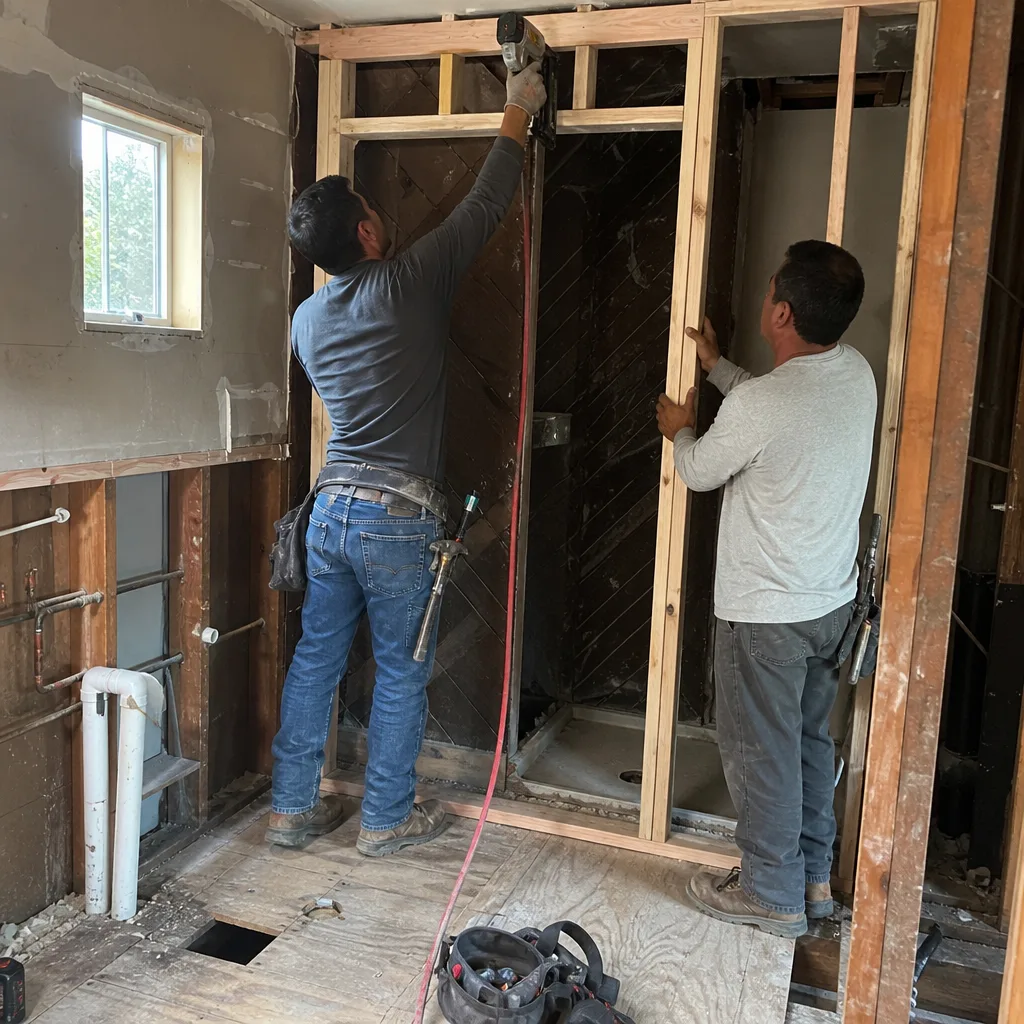
Kitchen Remodeling
Kitchens are the most commonly attempted DIY project and the most commonly remediated. The complexity isn’t the cabinets, it’s the integration: electrical circuits for appliances, gas lines for ranges, venting for hoods, plumbing for sinks and dishwashers, and the structural implications of any layout change.
DIY viable: Cabinet refacing with no layout change, countertop replacement on existing cabinets (though template and install precision is demanding), backsplash tile with existing electrical unchanged.
Hybrid: Owner demolition, material staging, finish painting. Professional electrical, plumbing, cabinet install, and countertop template/fabrication.
Professional recommended: Any layout change, load-bearing wall involvement, panel upgrade for appliance circuits, or gas line relocation. See Kitchen Remodeling in San Diego for scope and pricing methodology.
Bathroom Remodeling
Bathrooms combine the highest moisture exposure with the most concealed systems. A failed shower pan membrane, installed DIY without flood testing verification, can cause $30,000+ in structural damage before symptoms appear.
DIY viable: Fixture replacement on existing supply lines (toilet, vanity sink), cosmetic updates, painting.
Hybrid: Owner demolition of non-structural elements, material delivery, finish hardware. Professional waterproofing, tile setting, plumbing rough-in, and electrical.
Professional recommended: Shower or tub replacement, any subfloor work, exhaust fan installation, heated floor systems. See Bathroom Remodeling in San Diego for permit and inspection requirements.
Roofing
Roofing is statistically the most dangerous residential construction activity. Falls from roof edges account for 34% of construction fatalities nationally, and San Diego’s clay tile and concrete tile roofs are particularly unforgiving due to weight and fragility underfoot.
DIY viable: None, for full replacement. Minor repairs (single shingle replacement, sealant application) are possible for capable homeowners with proper fall protection, but insurance and warranty implications remain.
Hybrid: Owner gutter cleaning, debris removal after professional tear-off (with coordination), attic ventilation improvement access.
Professional required: Full replacement, structural decking repair, any work where fall protection would be required. Manufacturer warranties (GAF, Owens Corning) require certified installer documentation. See Roofing in San Diego for material and warranty specifics.
Windows and Doors
Window replacement appears straightforward but involves structural integration, weatherproofing, and energy code compliance. California’s Title 24 energy code requires specific U-factor and SHGC ratings for replacement windows, verified by NFRC labels.
DIY viable: None for full-frame replacement. Insert replacements in existing sound frames are sometimes attempted but rarely achieve proper air sealing.
Hybrid: Interior trim painting after professional install.
Professional recommended: Full-frame replacement, any structural modification for size changes, door installation with sidelights or transoms.
Home Additions and ADUs
ADUs (Accessory Dwelling Units) are the most permit-intensive residential project in California. San Diego’s ADU ordinance streamlines some aspects but adds others, including design review in certain historic districts and parking replacement requirements.
DIY viable: None for the structure. Landscaping, interior painting, and fixture hanging after certificate of occupancy.
Hybrid: Owner demolition of existing structures, site preparation, material staging, finish work. Professional foundation, framing, MEP, and all inspections.
Professional required: The entire permitted structure. Lenders for ADU construction loans typically require licensed contractor documentation and draw inspections.
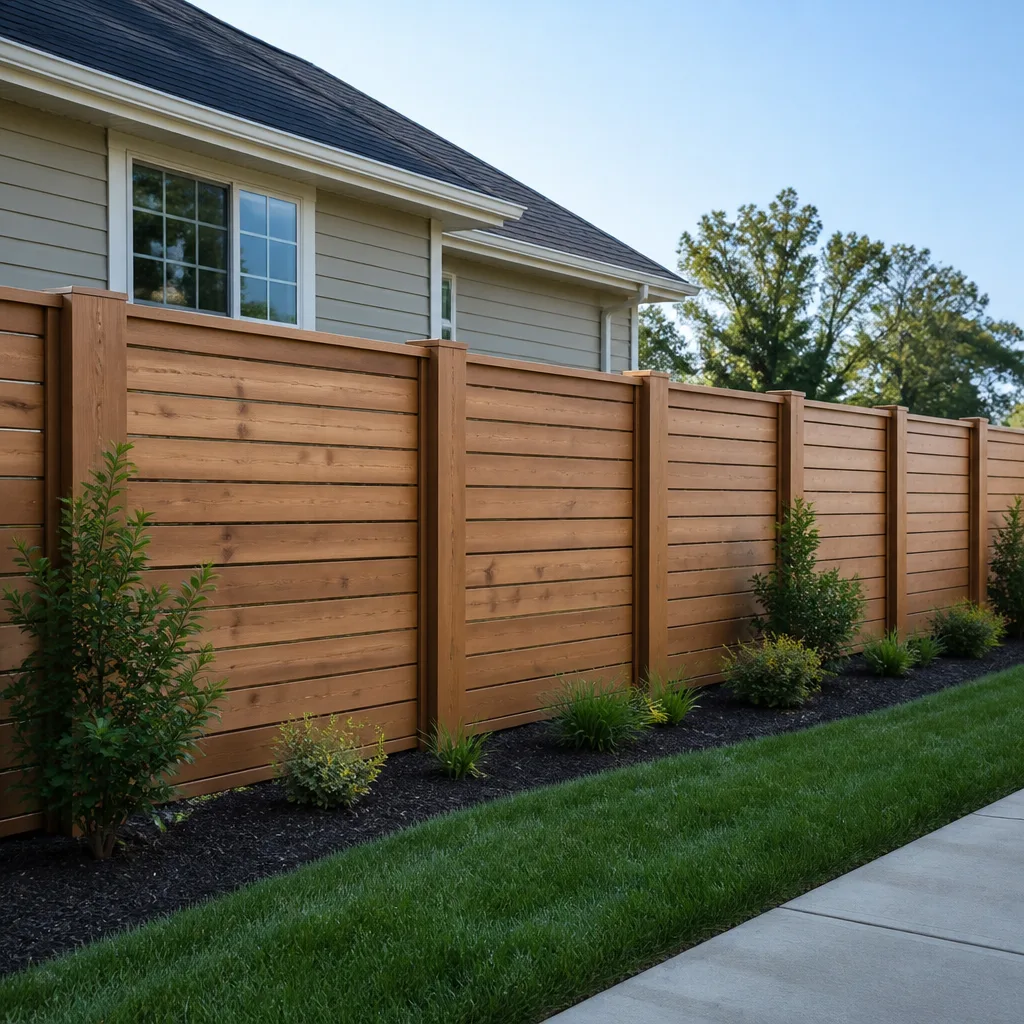
Fence Installation
Fences under six feet in San Diego don’t require permits in most zones. Over six feet, or any fence in a front yard setback, requires permits and often design review.
DIY viable: Wood fences under six feet on level ground with standard post spacing. Metal post setting with proper concrete footing (Sakrete or Quikrete 50-lb bags, mixed to specification).
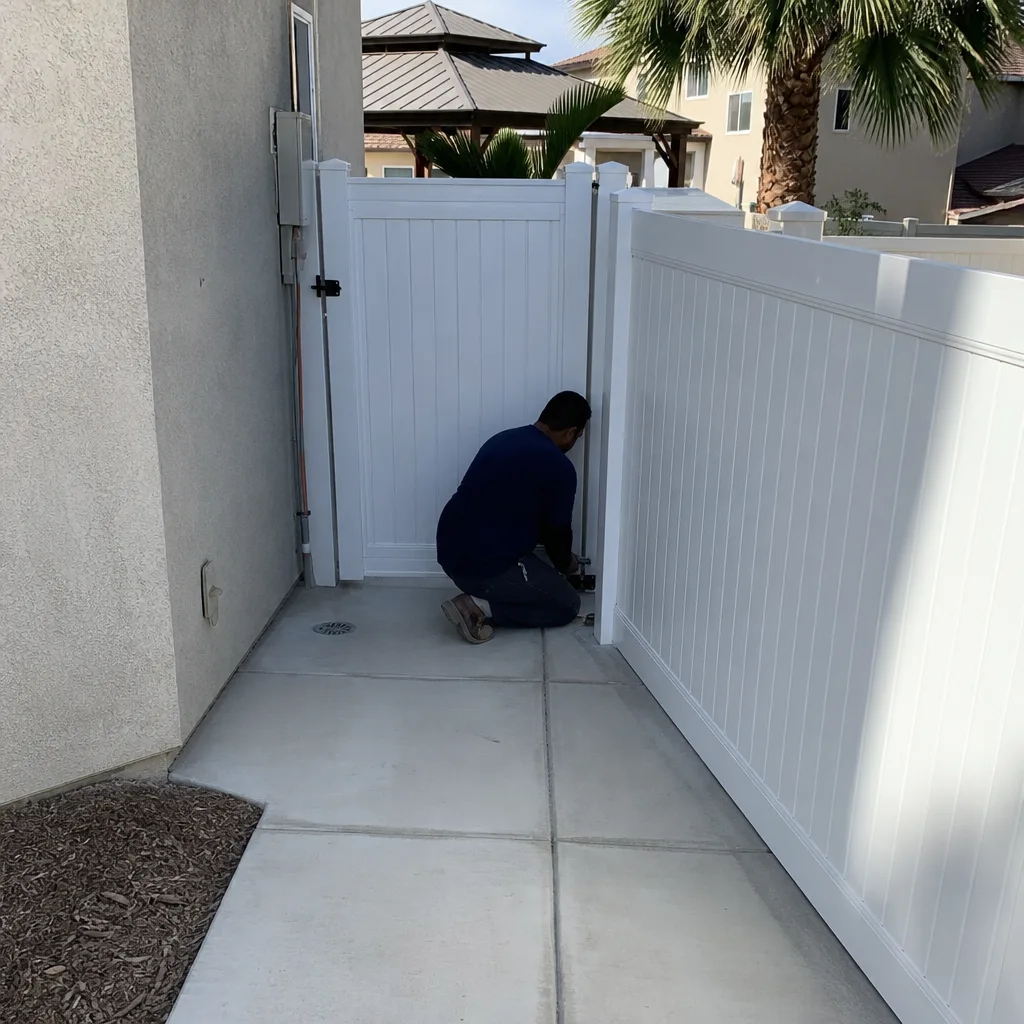
Hybrid: Owner post setting with professional measurement and gate installation (gates require precise leveling and hardware).
Professional recommended: Masonry walls, retaining walls with fence on top, any slope work, automatic gate systems.
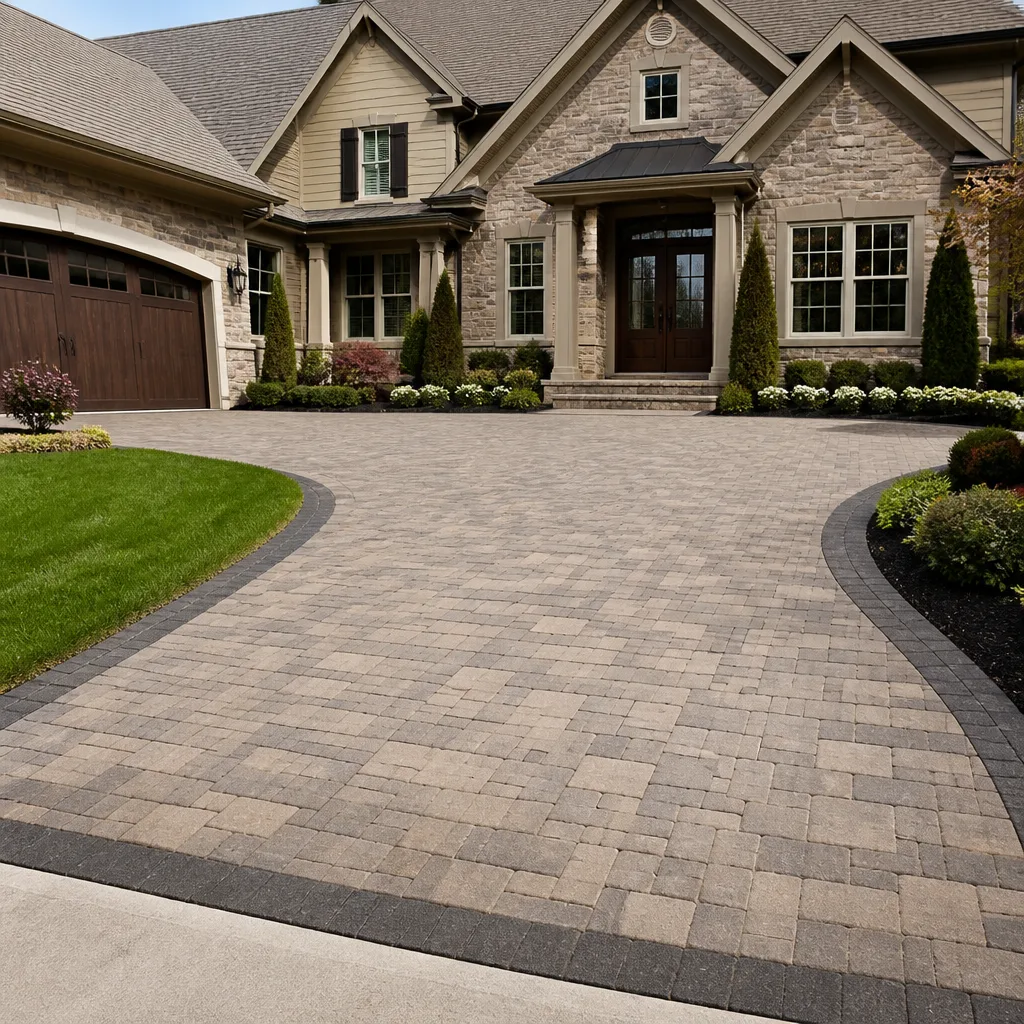
Driveway and Pavers
Concrete driveways require permits for new placement or expansion. Paver installations on compacted base typically don’t, unless they affect drainage patterns or exceed impervious surface limits.
DIY viable: Small paver patios on well-drained, level ground with proper edge restraint.
Hybrid: Owner excavation and base preparation with professional final grading and paver installation. Or owner installation with professional design and material specification.
Professional recommended: Concrete pours (timing and finish skill is unforgiving), permeable paver systems, any work affecting storm drainage or slope stability.
Common Mistakes to Avoid
- Pulling an owner-builder permit for work you don’t plan to personally perform. The disclosure requires personal performance or sub-$500 workers. Hiring a handyman for $2,000 under your owner-builder permit is unlicensed contracting by proxy, and the liability falls on you.
- Assuming your homeowner’s insurance covers DIY construction injuries to helpers. It typically doesn’t. A friend who falls off your ladder and breaks a wrist can generate a $50,000+ claim against your personal assets.
- Skipping the flood test on a DIY shower pan. The 24-hour flood test is code-required and failure-prone. We’ve demolished six-month-old DIY showers in San Diego where the membrane failed at the curb corner, destroying subfloor and ceiling below.
- Ordering materials before final measurement. Custom cabinets, countertops, and windows have measurement tolerances that require professional verification. A 1/4-inch error on a Cambria quartz template is a $3,000 mistake.
- Ignoring San Diego’s specific geotechnical conditions. Hillside properties, expansive clay soils in Scripps Ranch and Rancho Peñasquitos, and coastal salt air all affect material selection and installation methods. What works in Phoenix or Portland may fail here.
- Failing to document everything. No photos, no receipts, no permit records means no defense in a dispute and no proof for the next buyer. Our documented photo record on every visit exists because we’ve seen what happens without it.
- Starting demolition without a completion plan. A kitchen torn out in March with contractor availability in July leaves you with months of temporary cooking, takeout costs, and potential moisture or pest intrusion in the exposed space.
When to Call a Professional
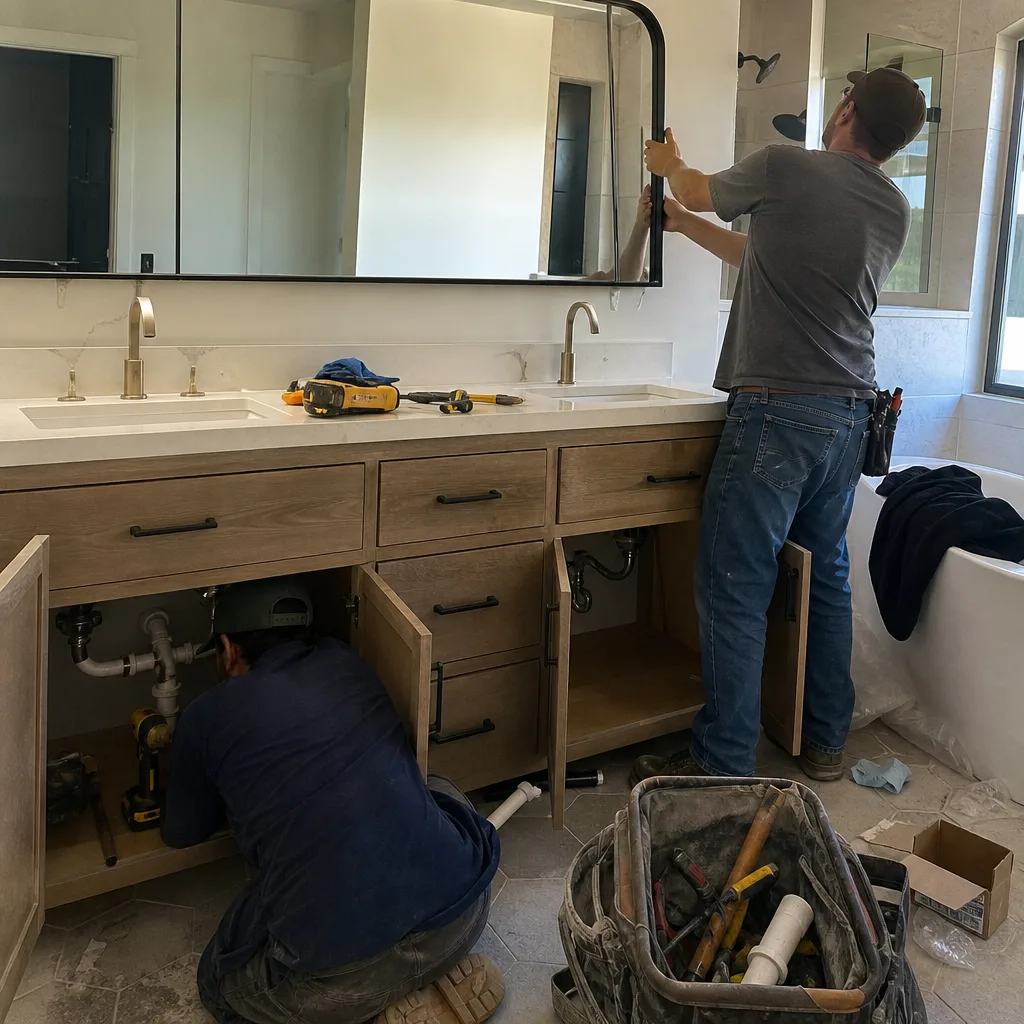
Call a licensed contractor when the project involves structural elements, electrical panels, gas lines, or permit requirements you don’t fully understand. Call when your time value exceeds the apparent labor savings, or when the cost of error, rework, and remediation exceeds the professional bid. Call when you need documentation for insurance, resale, or financing.
Rowan Construction Group San Diego offers free estimates across all seven trades. We’ll review your project scope, identify the permit path, and deliver a written price before any work starts. If you’ve already received a competitor’s quote, our Free Second Opinion reviews it line by line at no charge. Call (858) 434-8926 to schedule your free estimate.
Frequently Asked Questions
Permit fees for owner-builder work in San Diego range from $180 for simple driveway repairs to $4,500+ for detached ADUs, plus plan check fees of $0 to $2,800 depending on complexity. The City of San Diego publishes a fee schedule online, but actual costs include school fees, park fees, and fire assessments that aren’t always visible in initial estimates. Call (858) 434-8926 for a free estimate that includes all permit costs in the written price.
You can sell, but you must disclose unpermitted work on the Transfer Disclosure Statement, and lenders or buyers may require retroactive permits, additional inspections, or price reductions. Owner-builder permits carry a one-year disclosure requirement from final inspection. Unpermitted work discovered during escrow can delay closing 30-90 days and cost $5,000-$25,000 in compliance costs.
Probably not, if the leak traces to unpermitted or improperly performed plumbing work. Standard California homeowner’s policies exclude damage from faulty, inadequate, or illegal construction. The specific exclusion language varies by carrier, but the trend is toward stricter enforcement. Documented professional work with permits and inspections provides the clearest path to coverage.
Interior painting and cosmetic landscaping offer the best DIY return, with low permit requirements, manageable error costs, and no insurance complications. Fence installation under six feet is also viable for handy homeowners. Avoid roofing, electrical, and plumbing for both safety and legal reasons. For any project over $3,000 in value, calculate your true cost including time, tools, and risk before deciding.
Yes, unless you personally perform all work and pay no individual more than $500. ADUs require foundation, framing, electrical, plumbing, and HVAC work that exceeds owner-builder practical limits. Lenders for ADU construction loans also require licensed contractor documentation. The Haven Standard’s written price and signed change order discipline is particularly valuable for ADU projects, where scope creep is common.
Search the license number on the CSLB website (cslb.ca.gov). Verify active status, bond, workers’ compensation, and any disciplinary history. A legitimate San Diego contractor provides their license number without hesitation. Rowan Construction Group’s license number appears on every page and every proposal, and every crew member is verified before they arrive.
The Bottom Line
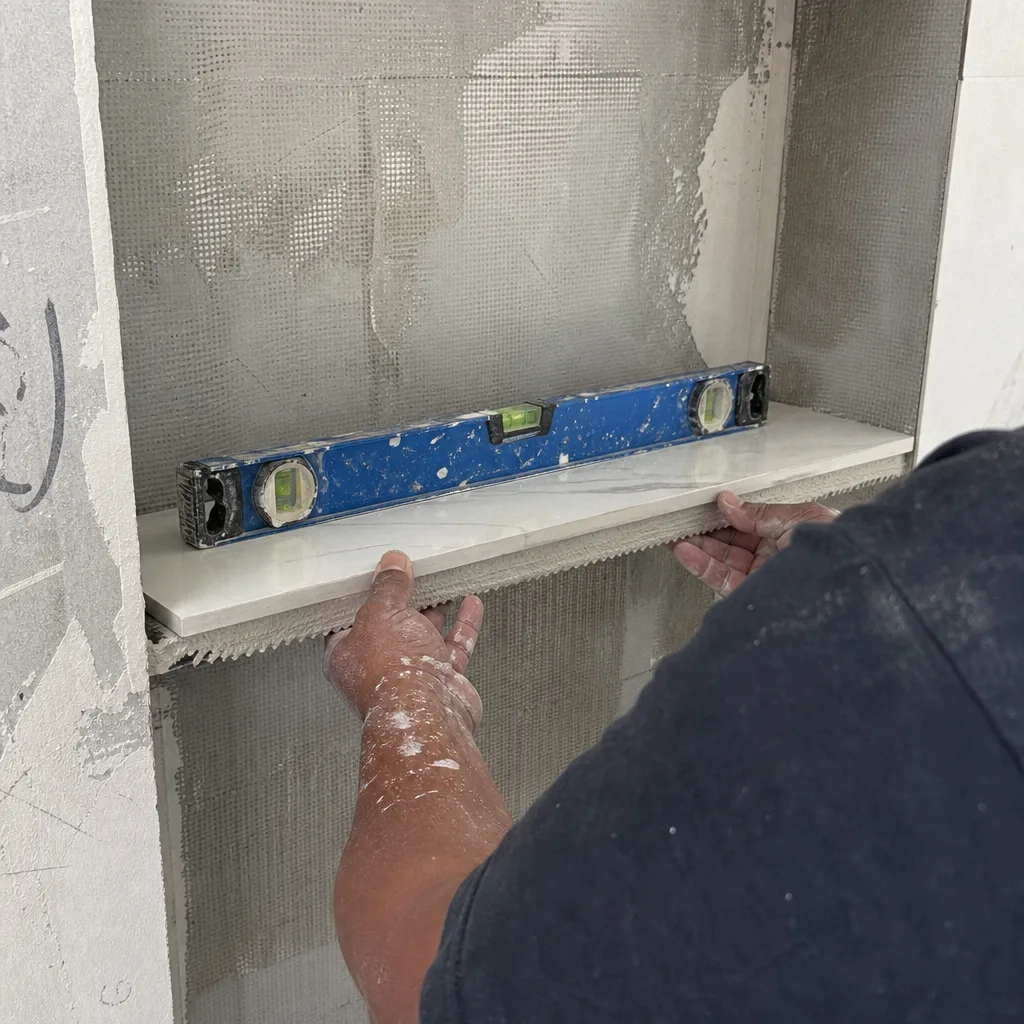
The DIY vs. professional decision in San Diego is a legal and financial calculation first, a skill assessment second. California’s owner-builder laws create real opportunities for hands-on homeowners, but the disclosure requirements, insurance gaps, and resale implications mean those opportunities come with documented obligations. An honest cost calculation, including time value, tool acquisition, material waste, and risk adjustment, typically shows professional work as the better value above $3,000-$8,000 in project scope. For projects below that threshold, the hybrid model, owner-performed demolition, staging, and finishing combined with professional rough work, captures most of the savings without most of the exposure. Whatever you choose, get the permit, get the documentation, and get the written price before anyone picks up a tool.
Written by Grant Rowan, Owner at Rowan Construction Group San Diego, serving San Diego since 2007.