
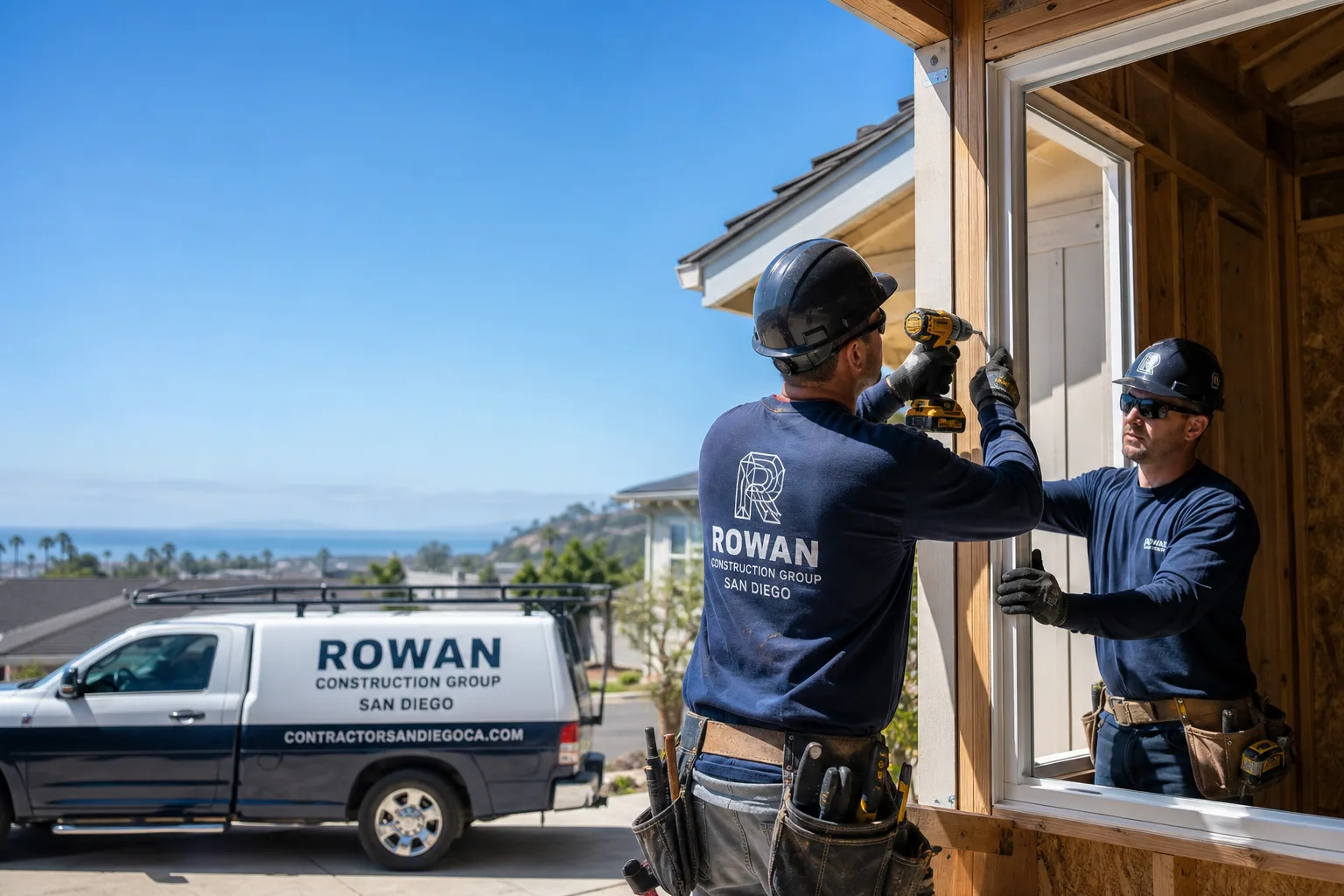
Free written scope consultation - allowances, timeline, and change-order rules on paper before a single trade is scheduled
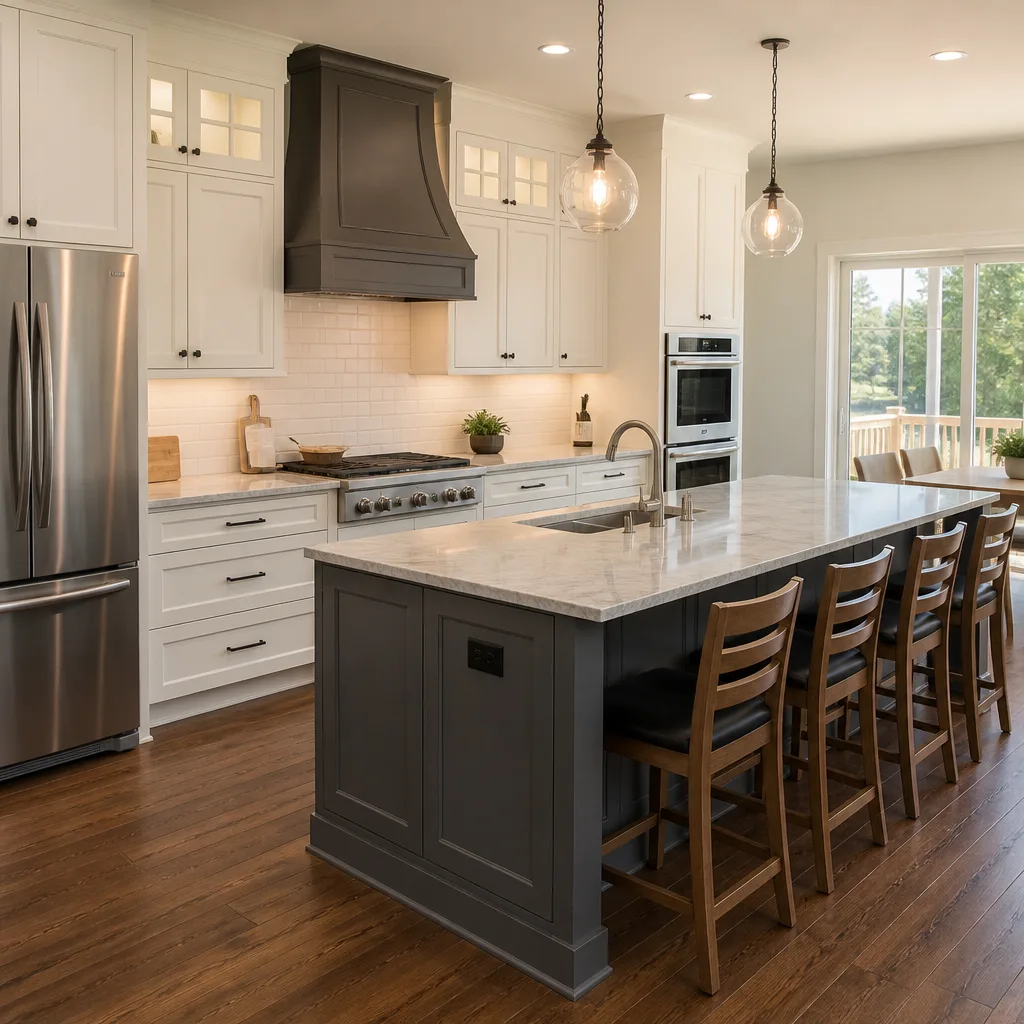
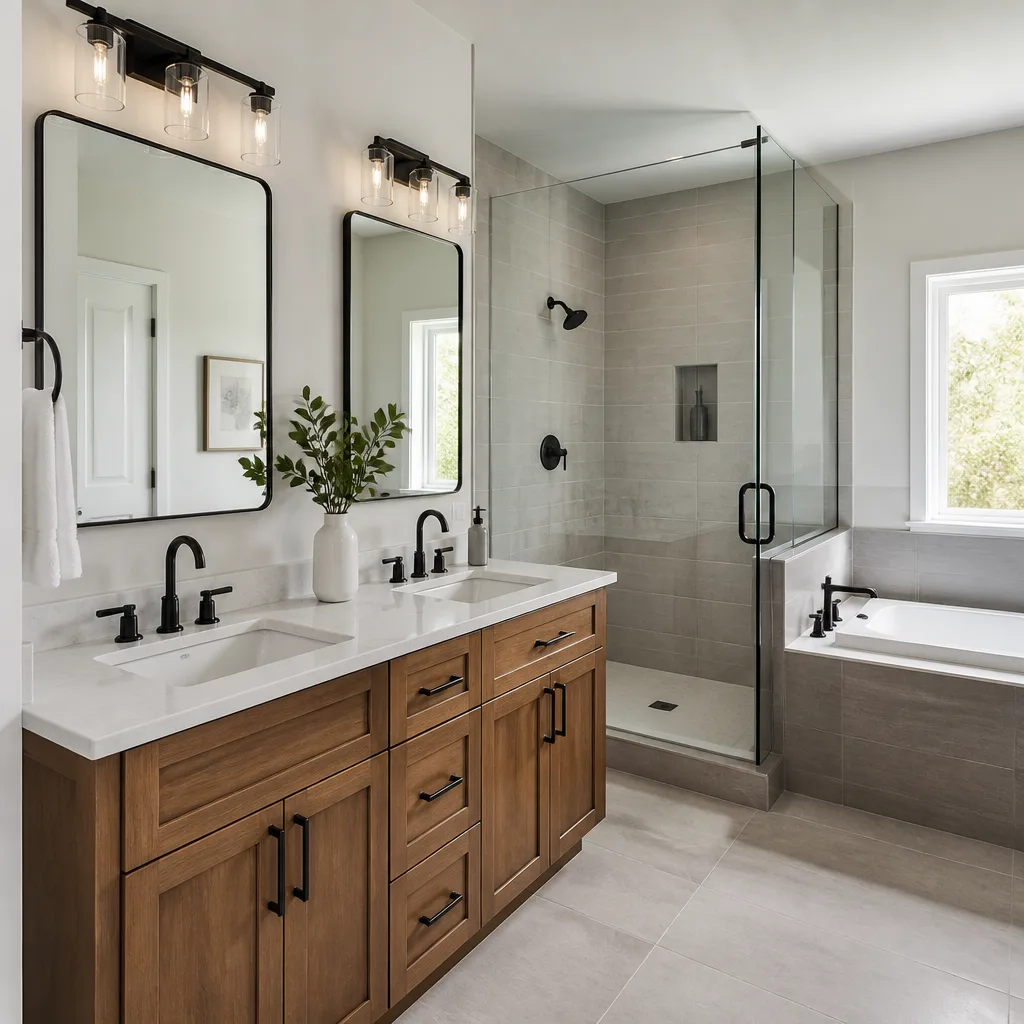
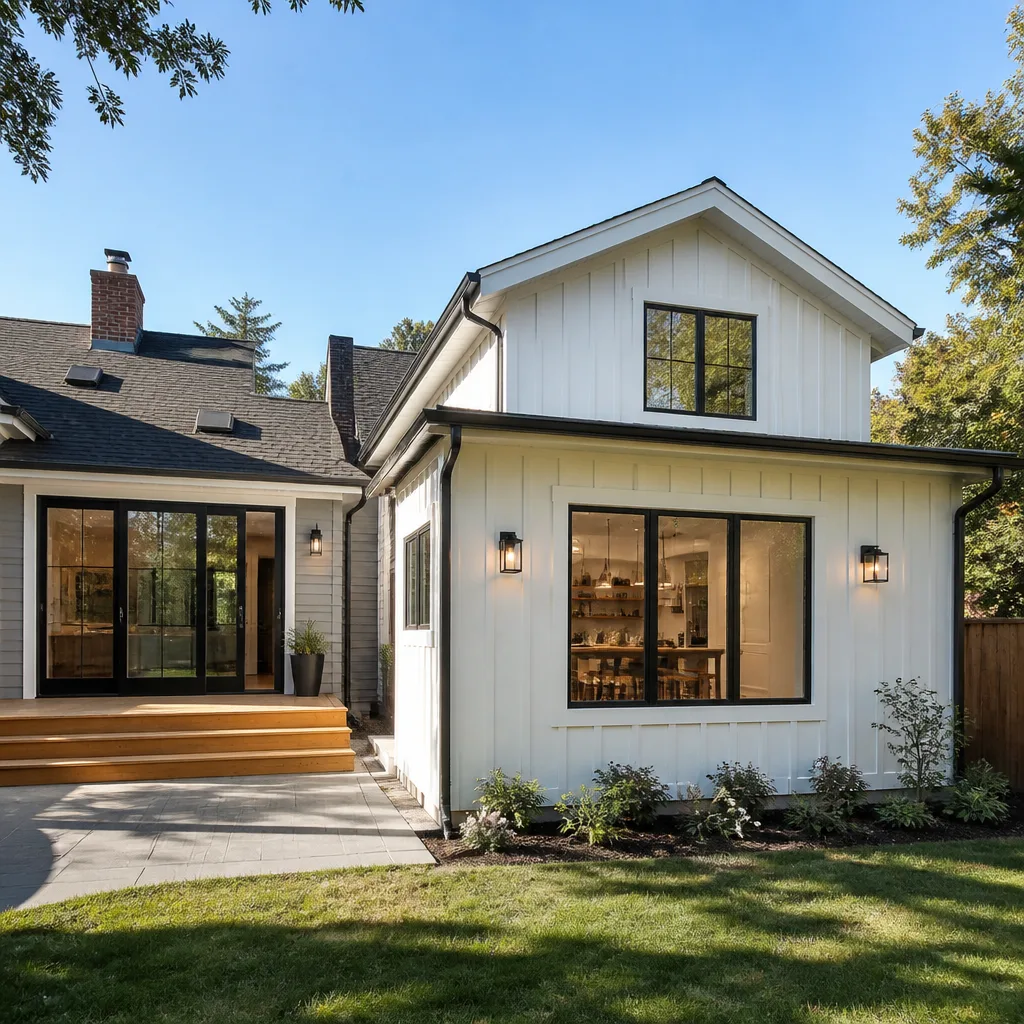
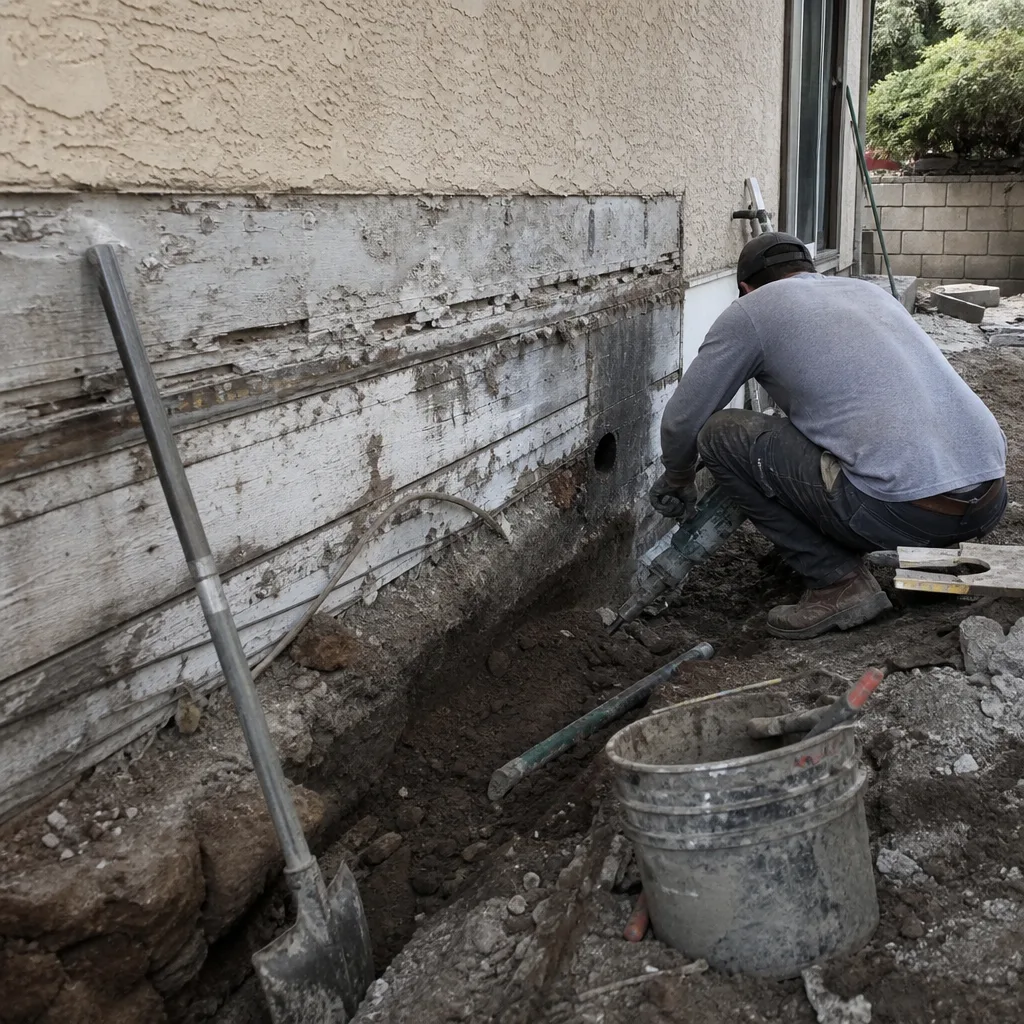 Before
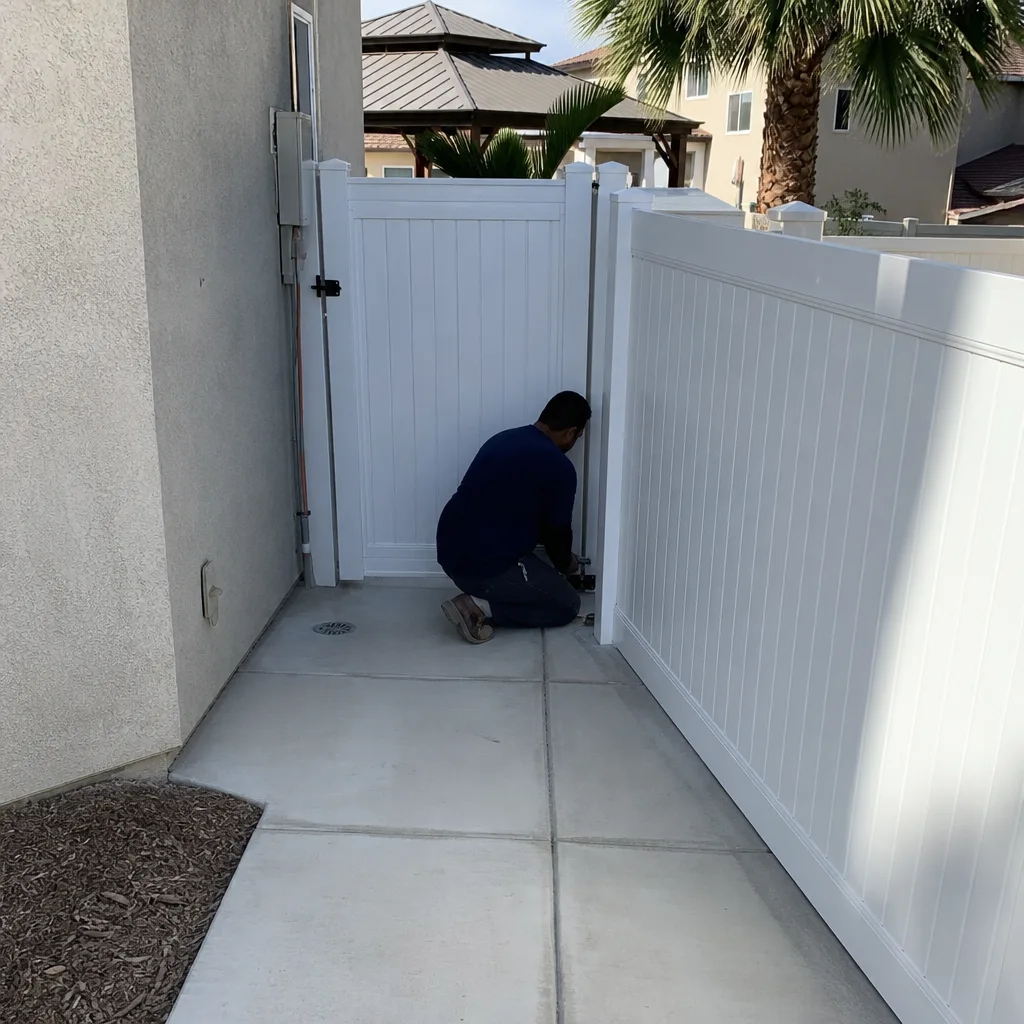 After
After Before
 After
After Before
 After
AfterHow Much Does a Home Addition Cost in San Diego, CA?
A home addition in San Diego typically costs between $53,100 and $153,400, depending on square footage, structural complexity, and finish level. Most single-story room additions land in the $80,000-$110,000 range once permits, framing, mechanical rough-ins, and finishes are priced together. That number can climb past $150,000 for a second-story addition or a primary suite with a full bath.
If you’re weighing a home addition against selling and buying a larger house in a San Diego market where median detached home prices have stayed well above $900,000 for the past three years, the math usually favors building out or up. Below is everything you need to compare bids, understand line items, and ask the right questions before anyone picks up a hammer.
For a full overview of what Rowan designs and builds in this trade, visit our Home Addition in San Diego service page.
—
Home Addition Cost Breakdown (2026)
Home addition pricing in San Diego is driven by a handful of hard cost categories. The table below reflects 2026 local market rates across all seven cost centers a typical addition touches. Use this as a baseline when comparing any written bid.
| Cost Category | Typical San Diego Range | Notes |
|---|---|---|
| Design, engineering, and permits | $6,000-$18,000 | San Diego City/County plan check fees vary by jurisdiction; coastal overlay zones add time and cost |
| Site prep and foundation | $8,000-$24,000 | Expansive clay soils in Scripps Ranch, Santee, and parts of Chula Vista can require deeper footings or a soils report |
| Framing and structural | $12,000-$30,000 | Second-story additions require a full structural analysis of the existing load path - budget toward the high end |
| Roofing to tie in the addition | $9,440-$23,600 | Matching an existing tile or composition roof adds material cost; new-construction section may require a different slope |
| Windows and exterior doors | $5,310-$17,700 | Impact-rated glazing is code in some coastal zones; Milgard and Andersen lead most of our written quotes |
| Plumbing rough-in and finish | $4,500-$14,000 | Adding a bath or wet bar to the addition moves this to the high end; a dry addition (bedroom or office) can skip this line |
| HVAC extension or new equipment | $3,500-$10,000 | Duct extensions work for smaller additions; larger additions over 400 sq ft often need a mini-split or a new air handler |
| Electrical rough-in and panel upgrade | $3,000-$9,000 | Homes built before 1990 in areas like North Park or City Heights may need a panel upgrade to support new circuits |
| Insulation, drywall, and interior trim | $4,000-$12,000 | Title 24 energy standards require specific wall and ceiling R-values; San Diego inspectors check this at framing inspection |
| Flooring | $2,500-$9,000 | Matching existing hardwood is a common cost surprise; engineered hardwood from brands like Bruce or Shaw is the more predictable option |
| Interior finishes (paint, fixtures, cabinetry if applicable) | $4,000-$16,000 | A primary suite addition with a bathroom adds Kohler or Toto fixtures, tile, and a vanity to this line |
Total project range: $53,100-$153,400. The lower end reflects a straightforward single-story bedroom addition on a flat lot with standard finishes. The upper end reflects a second-story addition, a hillside lot requiring extra structural work, or any addition that includes a full bathroom, kitchenette, or wet bar.
What Pushes the Number Up or Down
Square footage is the single biggest lever. In San Diego, home addition construction typically runs $180-$320 per square foot for the structure itself, before permits and design. A 200-square-foot bedroom sits near the low end of the overall project range; a 500-square-foot primary suite with a bath lands closer to the ceiling.
Lot conditions matter more here than in flatter inland markets. Hillside neighborhoods like Kensington, Mission Hills, and parts of La Mesa often require retaining walls, stepped foundations, or longer material-haul paths, any of which adds real dollars to the foundation line. Flat lots in Clairemont or Mira Mesa are structurally simpler and price accordingly.
Jurisdiction is a factor that surprises many homeowners. Work in the City of San Diego is permitted through Development Services, which has its own plan check queue and fees. Work in Encinitas, El Cajon, or National City goes through separate municipal building departments, each with its own timeline and fee schedule. Coastal Overlay Zone projects require a Coastal Development Permit from the California Coastal Commission, which adds both cost and lead time before a single footing is dug.
What Affects Home Addition Pricing in San Diego
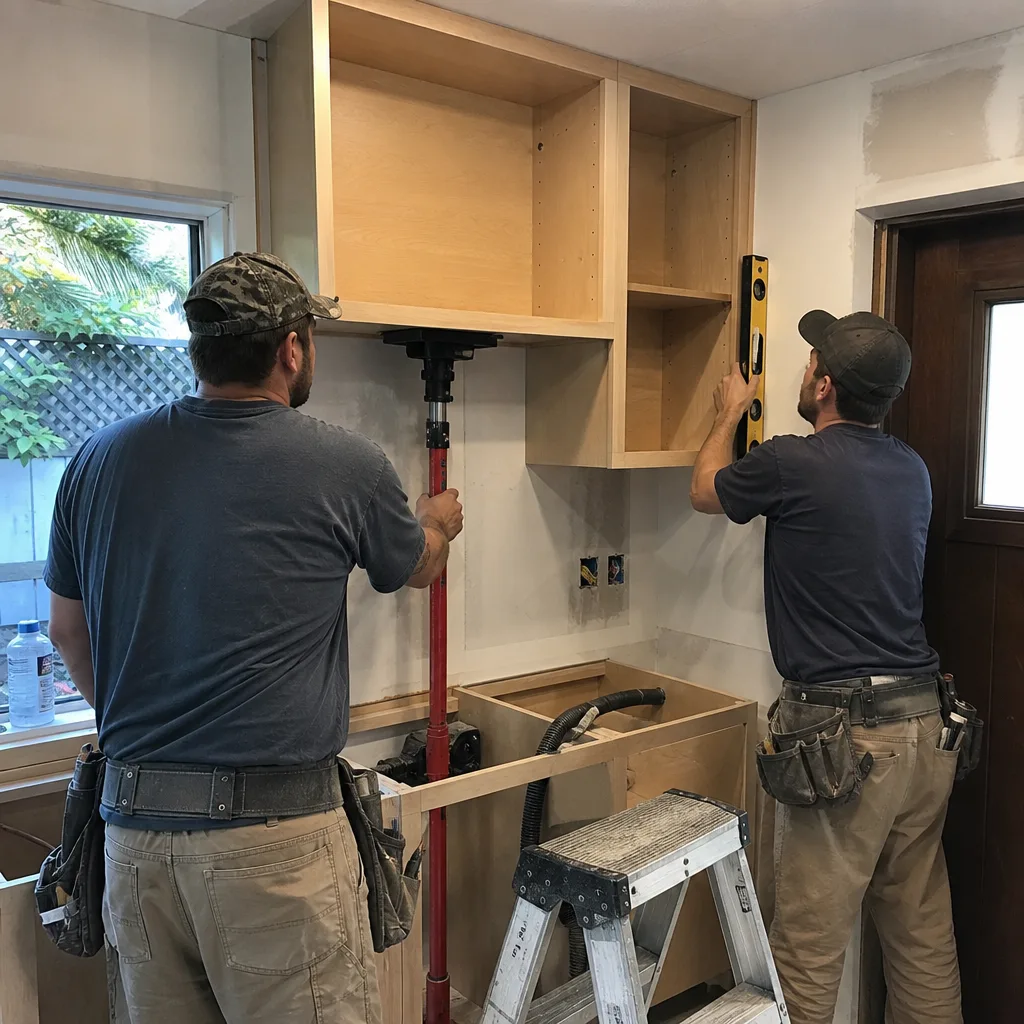
- Addition type and structural scope: A single-story bump-out on a slab foundation is the most straightforward addition structurally. A second-story addition requires engineering the existing wall and floor framing to carry the new load, plus a shear wall design for seismic compliance under California Building Code. That engineering work alone can add $6,000-$12,000 to the project before framing begins.
- Lot grade and soil conditions: San Diego’s geography produces a wide range of site conditions across a short distance. Expansive clay soils common in eastern communities like Santee, Lakeside, and El Cajon can crack shallow footings over time, so a soils report ($1,500-$3,500) and deeper caissons or spread footings may be required before the city issues a permit. That cost is real and should appear as a line item in any honest written quote.
- Permit jurisdiction and coastal regulations: Projects in the City of San Diego’s Coastal Overlay Zone or in cities like Del Mar, Encinitas, or Solana Beach carry additional regulatory steps. A Coastal Development Permit from the California Coastal Commission can take several months to process and adds $2,000-$8,000 in soft costs depending on the project’s scope and whether a hearing is required.
- Finish level and material selection: An addition finished with standard-grade LVP flooring, builder-grade windows, and a basic paint package costs significantly less than one finished with engineered hardwood, Andersen 400-series windows, and custom millwork. The structural cost is roughly the same; finishes are where the spread happens, and it’s worth deciding on a finish level before the bid is written so the number reflects your actual plan.
- Utility tie-ins and panel capacity: Adding a bathroom, kitchenette, or laundry connection to an addition means plumbing the new space back to the existing water and drain lines, which can mean opening floors or walls in the adjacent living area. Electrical panel upgrades are common in homes built before 1990, particularly in older established neighborhoods like North Park, South Park, and Golden Hill, where 100-amp service is still fairly common and an addition with new HVAC and bath circuits can push the system past capacity.
- Timing and material lead times: Structural lumber, windows, and engineered lumber (LVL beams, for example) have had variable lead times since 2022. Scheduling a window order before permits are approved – rather than after – can cut weeks off a project timeline without adding cost. A contractor who builds the material schedule into the written scope rather than ordering reactively will predictably finish closer to the agreed date.
 Before
 After
AfterHow a Home Addition Compares to Other Projects
Homeowners frequently weigh a home addition against other ways to add usable space or value. Here is how the numbers stack up across the projects Rowan quotes regularly in San Diego.
- Home Addition: $53,100-$153,400 - gains conditioned square footage, increases lot coverage, raises appraised value directly
- ADU Construction: $106,200-$259,600 - a detached ADU is a separate permitted structure; can generate rental income; higher total cost than most additions
- Garage Conversion: $35,400-$94,400 - converts existing structure rather than adding new square footage to the footprint; typically the fastest path to new living space if the garage is already present
- Primary Bathroom Remodel within existing footprint: $10,620-$33,040 - improves a space without expanding it; a good alternative when the floor plan is adequate but the room itself is dated
- Kitchen Remodel: $16,520-$53,100 - high ROI on resale; not a substitute for square footage if the kitchen itself isn’t undersized
The garage conversion is worth a closer look if the goal is a guest suite, home office, or rental unit. At $35,400-$94,400, it typically costs less than a full addition because the foundation and exterior walls already exist. The trade-off is that you lose the garage, and in neighborhoods like Pacific Beach or Bay Park where off-street parking is scarce, that matters for daily life and resale.
An ADU, at $106,200-$259,600, is the most expensive option on this list but the only one that creates a fully independent living unit. San Diego’s 2024 ADU ordinance changes streamlined some permit pathways, particularly for detached ADUs under 800 square feet in certain zones. If generating rental income is part of the goal, the higher upfront cost can pencil out over a relatively short timeline given San Diego’s rental market.
How to Save on a Home Addition in San Diego
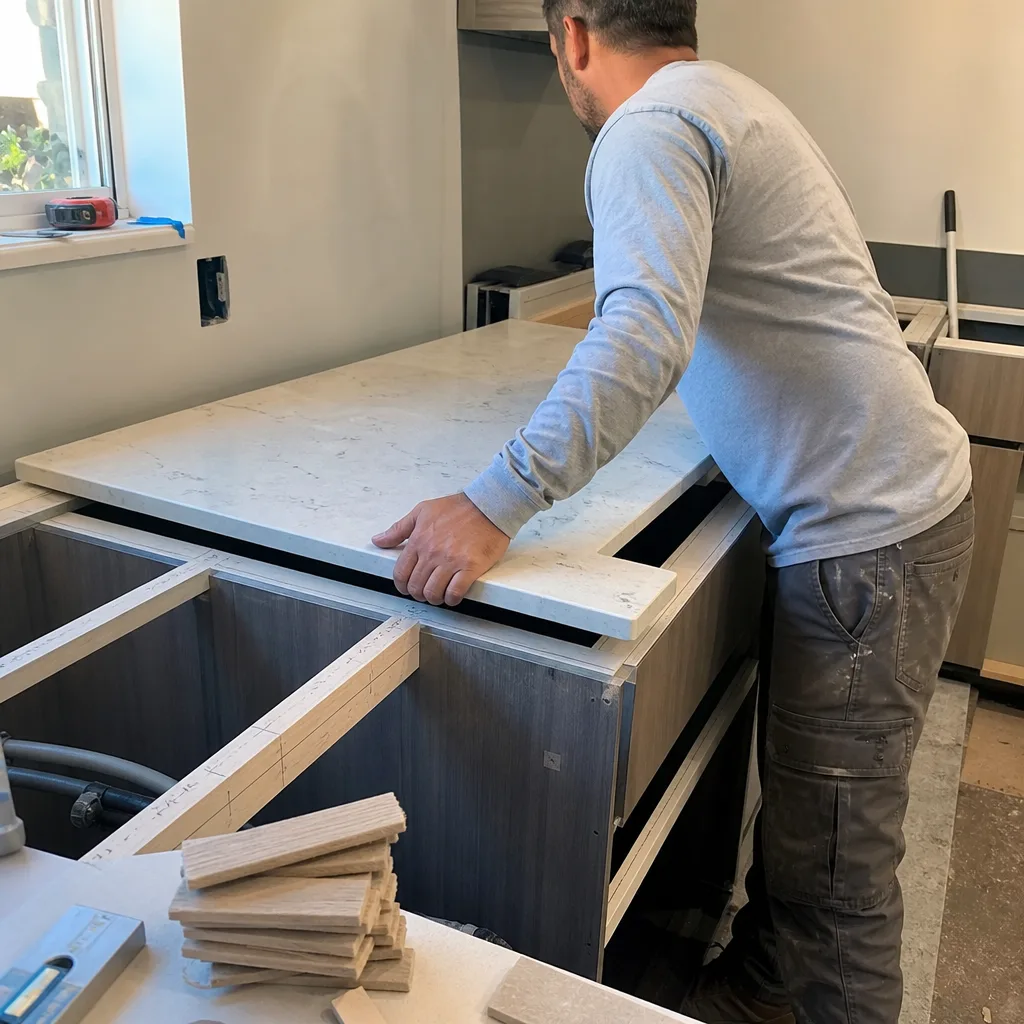
Fix the Design Before You Fix the Budget
The most expensive change on a home addition project is a scope change after framing begins. Relocating a window opening after the rough framing is done means cutting out studs, reheadering, and re-inspecting, none of which is in the original number. Spending more time with your architect and engineer before submitting for permits – even if that delays the permit application by four to six weeks – reduces the likelihood of signed change orders that push the final cost past the original price. Under the Haven Standard, no work proceeds without a signed change order regardless, so the discipline is built into how Rowan operates, but starting with a tighter design still protects your budget.
Choose an Addition Footprint That Works With Your Existing Structure
A bump-out that aligns with an existing wall and uses the same roof pitch as the house costs less to frame and tie in than an addition at an odd angle with a complex roof intersection. Simple rectangular footprints with straightforward hip or gable roofs price more predictably than L-shapes or additions requiring custom trusses. This isn’t about sacrificing what you want; it’s about recognizing that a skilled designer can often get you the same interior square footage in a simpler shape that costs less to build.
Consolidate the Permit Rather Than Adding in Phases
Some homeowners try to break a project into phases – foundation one year, framing the next – thinking it spreads the cost. In San Diego, each phase requires a new permit application and plan check, and you pay fees each time. Depending on the jurisdiction, you may also trigger new code requirements on the second application that weren’t applicable to the first. One permit, one plan check, one mobilization typically costs less than two of each, even if the single project requires a short-term financing bridge.
Get a Written Bid Before You Finalize Materials
Material selections – flooring species, window series, tile, fixtures – can move the finish portion of the budget by $10,000-$20,000 on a mid-size addition without changing a single structural element. Getting the structure quoted first with a defined allowance for finishes, then making finish selections against that allowance, keeps the total number visible rather than accumulating in the background. A written price with a written scope is exactly what Rowan delivers before any work starts, and that includes defined allowances for any material category where the selection hasn’t been finalized.
Use the Free Second Opinion
Rowan’s standing offer is to review any written competitor estimate line by line at no charge. If you’ve received a bid that seems high, low, or simply hard to read – and home addition bids vary significantly in how they’re structured – bring it in. The review costs you nothing and often surfaces line items that are missing, duplicated, or priced without a clear scope description. Call (858) 434-8926 to set that up.
Time the Project to Permit Workloads
San Diego’s Development Services department, like most building departments, has cyclical workloads. Projects submitted in late January or February tend to move through plan check faster than projects submitted in spring, when homeowners have made their decisions over the winter and the queue peaks. A permit submitted in February for a spring construction start is a better timeline than a permit submitted in April hoping for a summer start. This doesn’t save money on the construction itself, but it protects your project from the carrying costs and schedule pressure that come with delays.
FAQs – Home Addition Cost in San Diego
How much does a home addition cost in San Diego in 2026?
A home addition in San Diego costs between $53,100 and $153,400 in 2026, with most mid-size single-story projects landing between $80,000 and $110,000 after permits, framing, mechanicals, and finishes. Second-story additions or projects with full bathrooms regularly reach $130,000-$150,000. Call (858) 434-8926 for a written estimate specific to your lot and floor plan – the estimate is free and includes a written scope before any work starts.
How much does a 20×20 room addition cost in San Diego?
A 400-square-foot room addition in San Diego typically costs $72,000-$128,000 all-in, depending on whether the space includes a bathroom, what the foundation conditions require, and the finish level. At $180-$320 per square foot for construction alone, a 400-square-foot addition lands between $72,000 and $128,000 before applying any project-specific adjustments for site conditions or permit complexity. That range narrows significantly once a site visit and written scope are completed. Call (858) 434-8926 for a number tied to your actual project.
Do I need a permit for a home addition in San Diego?
Yes – any home addition that expands the conditioned living area of a house in San Diego requires a building permit, structural drawings, and plan check approval before construction begins. There are no legal workarounds to this requirement, and unpermitted additions create title problems that can complicate a future sale or refinance. In the City of San Diego, plan check is handled by Development Services; in incorporated cities like Chula Vista, El Cajon, or Escondido, the local building department handles permitting under its own fee schedule. Coastal Overlay Zone projects require an additional Coastal Development Permit. Rowan manages the permit process as part of the written scope on every addition project.
How long does a home addition take in San Diego?
Most home additions in San Diego take 4-8 months from signed contract to final inspection, broken down roughly as: 6-10 weeks for design and engineering, 8-16 weeks for permit plan check (longer in coastal zones), and 8-14 weeks for construction depending on size and complexity. Second-story additions and projects requiring Coastal Development Permits run toward the longer end. The single biggest schedule risk is design changes after permit submission, which require plan resubmittal and reset the clock at plan check. Starting construction with a fully resolved design is the most reliable way to hit the timeline written into the contract.
Is a home addition worth it in San Diego?
In San Diego’s market, a well-executed home addition typically adds $0.60-$1.10 in appraised value for every dollar spent, depending on the neighborhood, the addition type, and how well the new space integrates with the existing home. Primary suite additions and family room expansions tend to perform better on resale than detached structures or highly specialized rooms. The stronger argument for an addition in San Diego specifically is that the cost of building out is frequently less than the transaction costs and price difference involved in buying a larger house in the same neighborhood. That math holds in La Jolla, Point Loma, Scripps Ranch, and most other established San Diego communities where inventory of larger homes is limited and prices reflect that scarcity.
What’s the difference between a home addition and an ADU?
A home addition expands the main house’s conditioned square footage and shares utilities, access, and the primary structure with the existing home. An ADU – accessory dwelling unit – is a fully independent living unit with its own entrance, kitchen, and bath, permitted as a separate unit under California’s ADU law. ADU construction in San Diego runs $106,200-$259,600, significantly more than most additions, but an ADU can be rented independently, which a home addition cannot. If the goal is adding a bedroom or office for household use, an addition is the simpler and lower-cost path. If the goal is a legally rentable unit or a space with full kitchen independence, an ADU is the correct structure.
Why the Written Price Matters More on a Home Addition Than Any Other Project
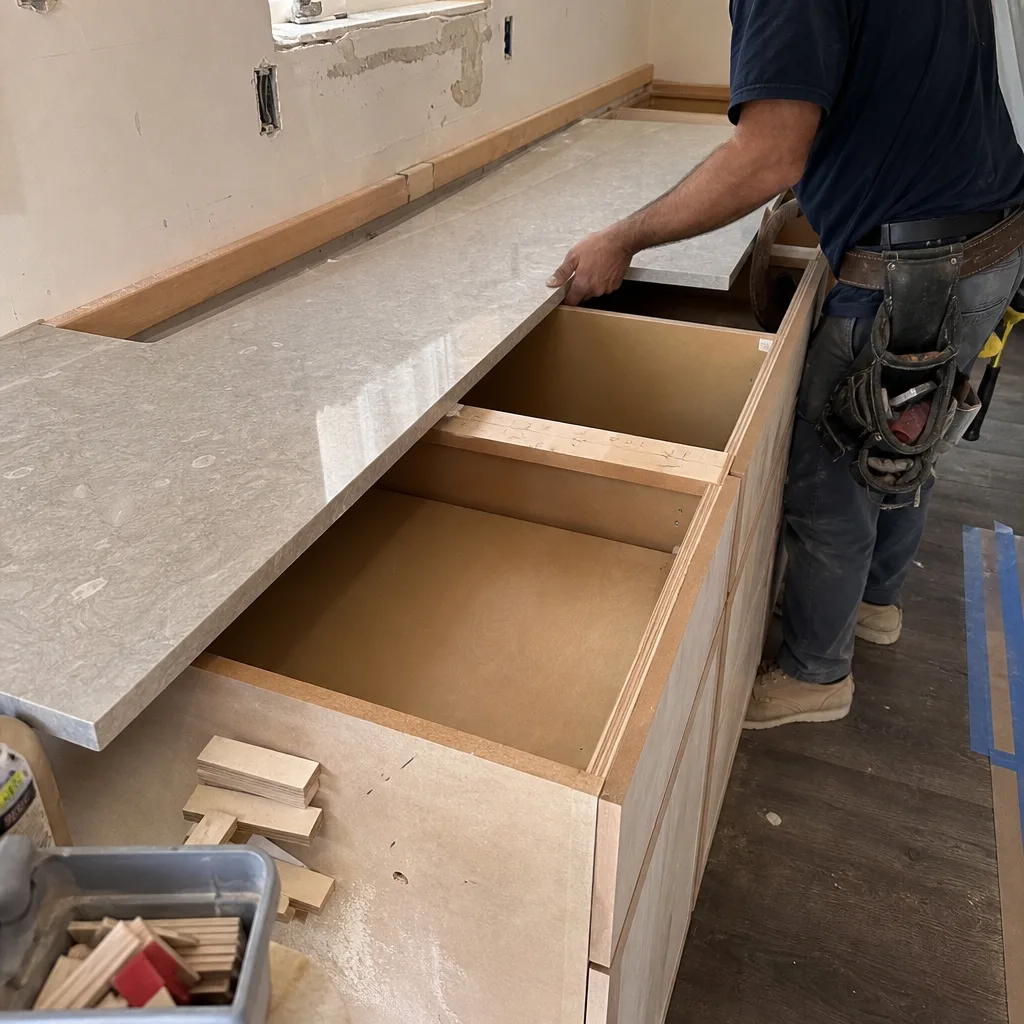
Home additions are the highest-stakes project most homeowners take on. The numbers are large enough that a 10% cost overrun – common on poorly scoped projects – can represent $8,000-$15,000 above what you planned to spend. That’s not an abstract risk; it’s the most frequent complaint in home addition contractor reviews in San Diego, and it almost always traces back to the same cause: a verbal agreement or a vague scope document rather than a flat written price with a defined scope.
Rowan Construction Group has operated under a single administrative discipline since Grant Rowan founded the company in 2007: the price is written before anyone starts, and no change proceeds without a signed change order. Across 4,000-plus projects, that discipline has kept final costs within a few percent of the agreed number. Not because surprises don’t happen – they do on addition projects, particularly when opening existing walls reveals conditions that weren’t visible from the outside – but because every surprise that produces a cost change is documented, priced, and signed before work on that change begins.
The 365-Day Done Right Promise extends that commitment past the final inspection. If something isn’t right within the first year, Rowan makes it right. That’s printed on every project page and backed by terms, not an asterisk.
Every visit includes a documented photo record as a standard deliverable. On an addition project that runs several months and involves multiple subcontractors, that record is evidence of what was found, what was done, and when – not something a crew is asked to produce on request. It comes with the project.
Crews are background-checked and uniformed. A live person answers calls 24/7 – not a voicemail queue. These aren’t stated as differentiators; they’re stated as the operational baseline because they should be standard on any project of this size.
If you have a written bid from another contractor, Rowan will review it line by line at no charge – the Free Second Opinion is a standing offer. Addition bids in San Diego vary dramatically in how complete they are, and a comparison that surfaces a missing line item is worth more than any discount.
For an overview of everything Rowan builds in this trade – from room additions to full second-story expansions – the Home Addition in San Diego service page is the right starting point.
You can also start from our home page to see the full range of residential trades Rowan covers across San Diego.
Key Takeaways
- Home additions in San Diego run $53,100-$153,400 in 2026, with most mid-size projects landing $80,000-$110,000.
- Second-story additions, hillside lots, coastal zone permits, and projects with full bathrooms push the number toward the upper end.
- Construction runs roughly $180-$320 per square foot; permits, design, and engineering add $6,000-$18,000 on top of that.
- Every addition in San Diego requires a building permit; coastal projects require an additional Coastal Development Permit.
- The biggest single cost risk on any addition is a scope change after framing begins – resolve the design before submitting for permits.
- A written price with a defined scope before work starts is the only way to hold the number – verbal agreements and vague bids are where overruns begin.
- The free second opinion on any written estimate is available by calling (858) 434-8926.
Ready to get a number in writing? Call Rowan Construction Group at (858) 434-8926 for a free estimate on your San Diego home addition. The written price and written scope are delivered before any work starts – that’s not a process step, it’s the whole point.
Pricing reflects the San Diego market as of 2026. Rowan Construction Group San Diego offers free estimates – call (858) 434-8926.
Written by Grant Rowan, Owner at Rowan Construction Group, serving San Diego since 2007.
What Our Customers Say
"Fence and retaining wall along a sloped boundary. They photographed the footing depth at each post, which mattered when the county inspector came."
- Iona F."Solid work, decent crew, and the site was left tidy every evening."
- Pearl A."They found an old septic line under the driveway run and stopped, documented it, and re-quoted before continuing."
- Xavier L.