
Last updated September 25, 2026
Free written scope consultation - allowances, timeline, and change-order rules on paper before a single trade is scheduled
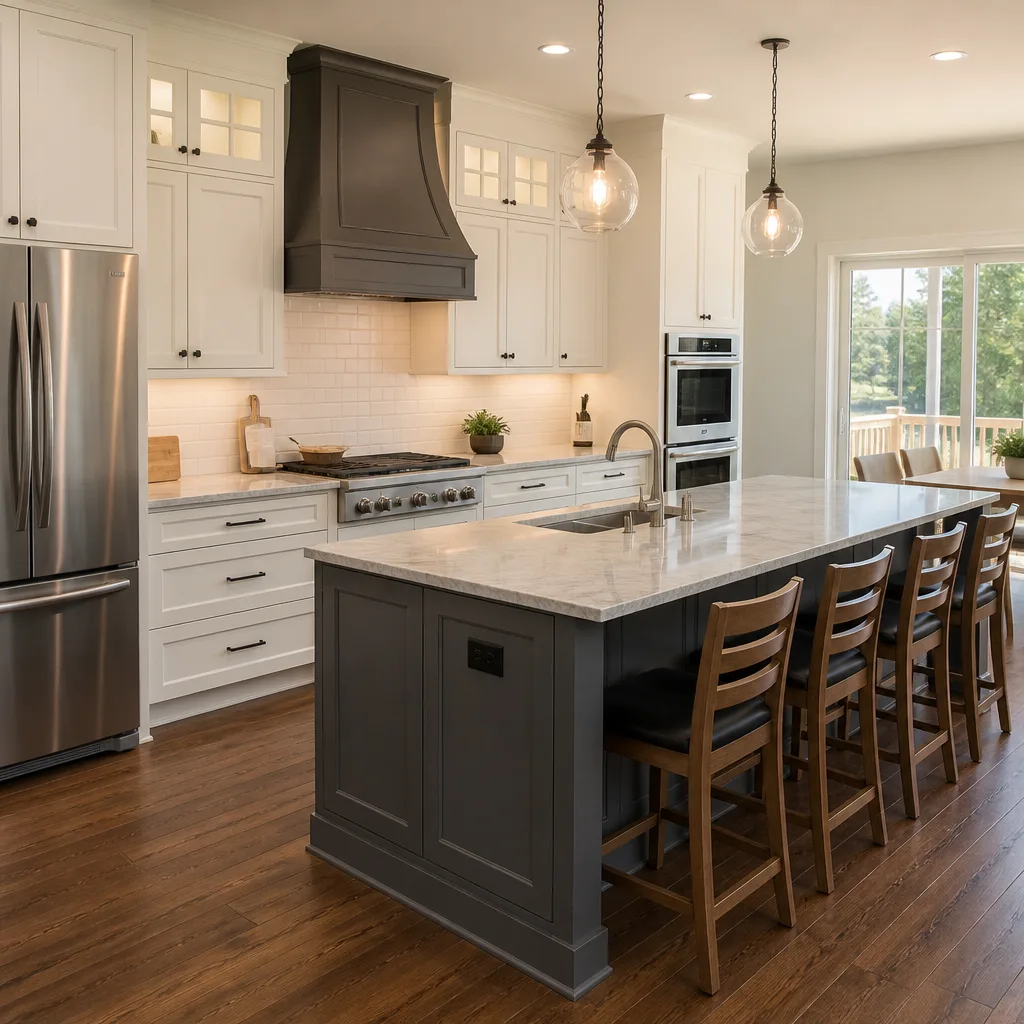
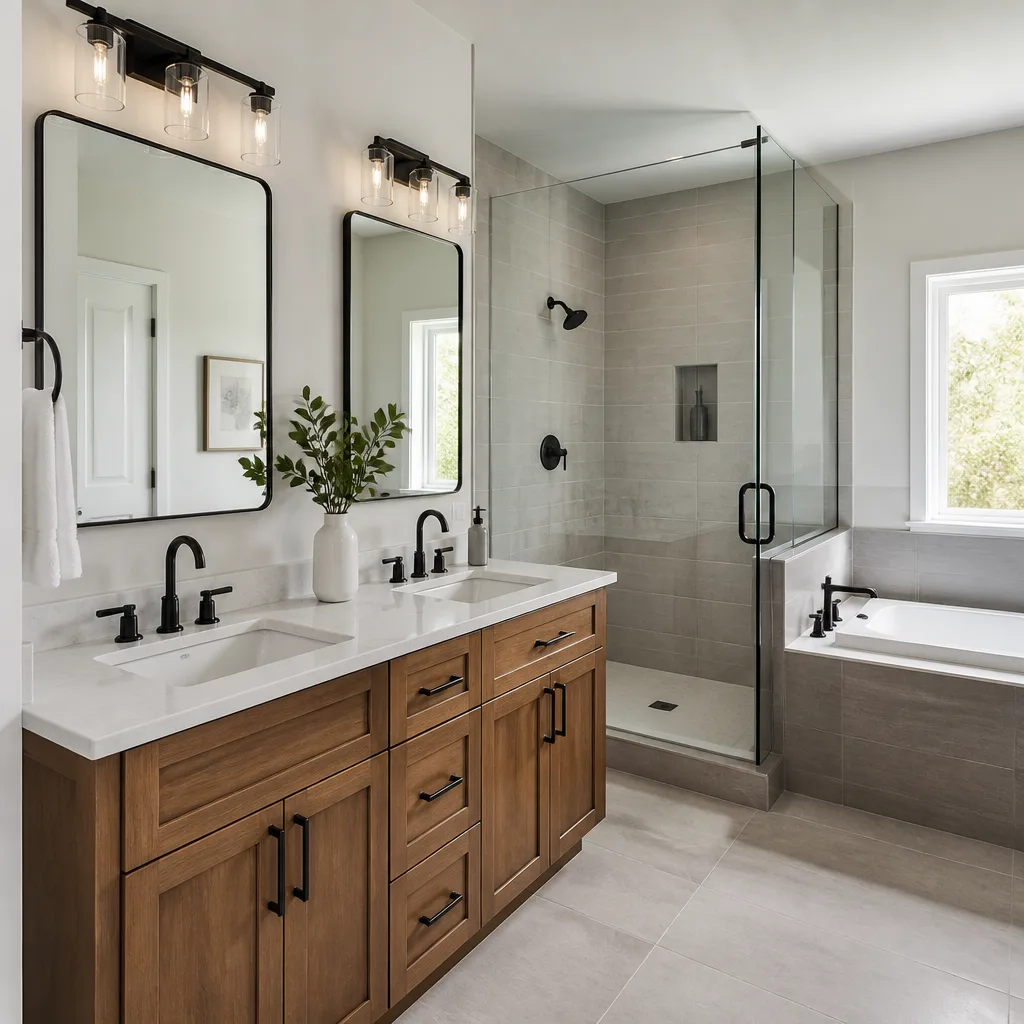
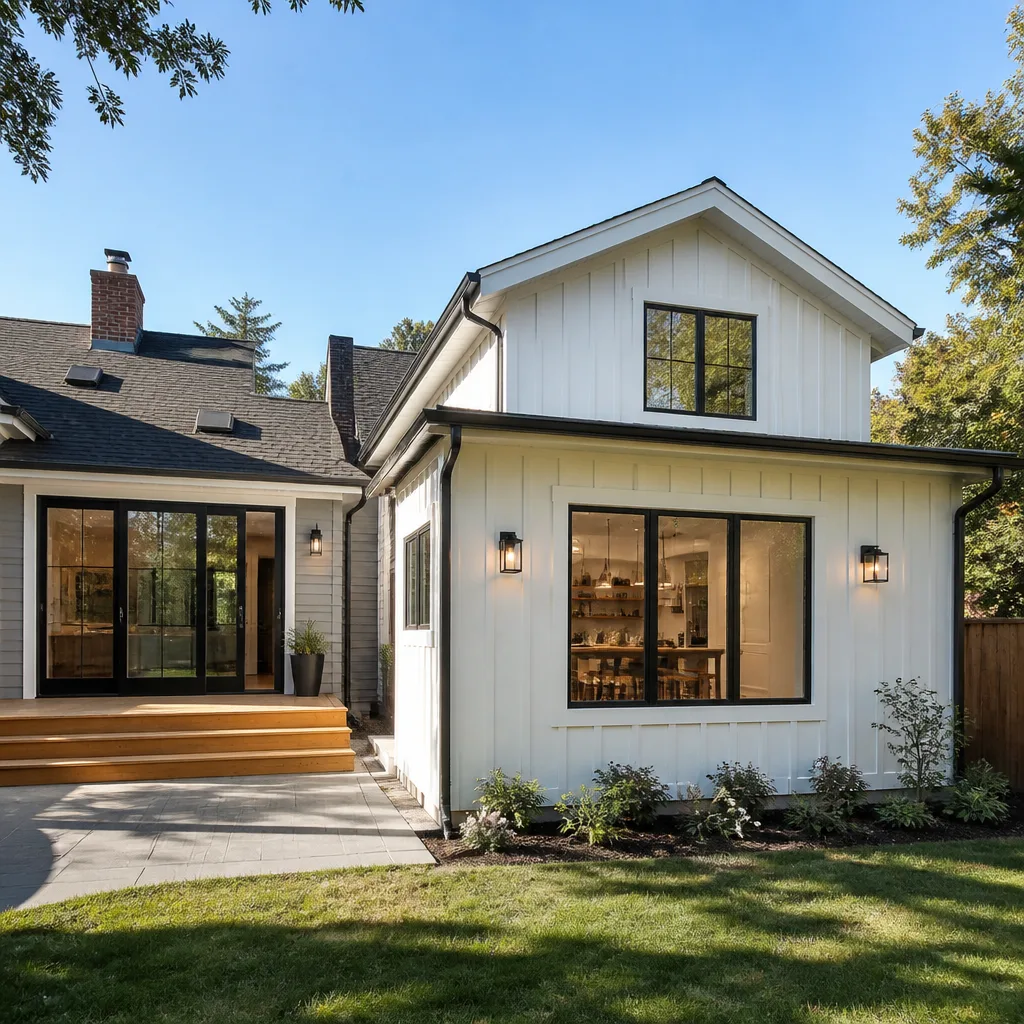
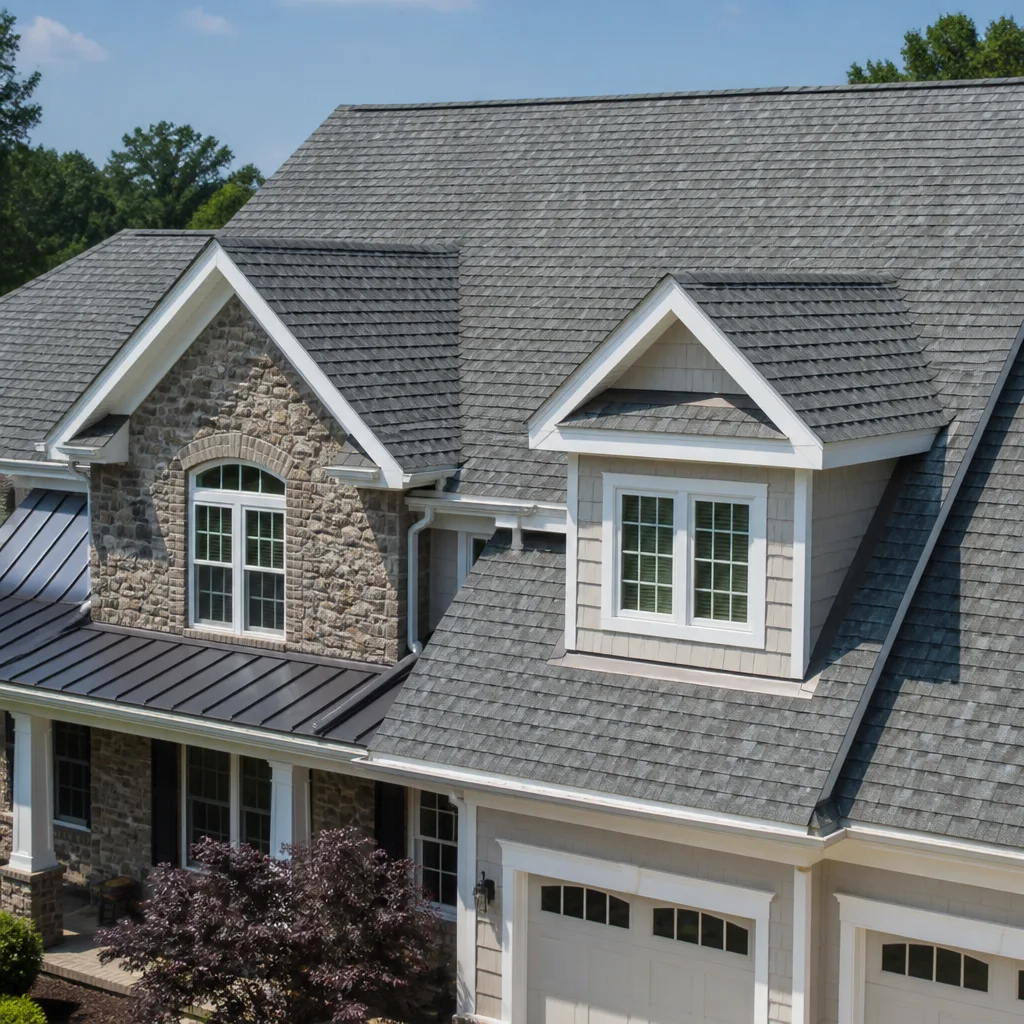
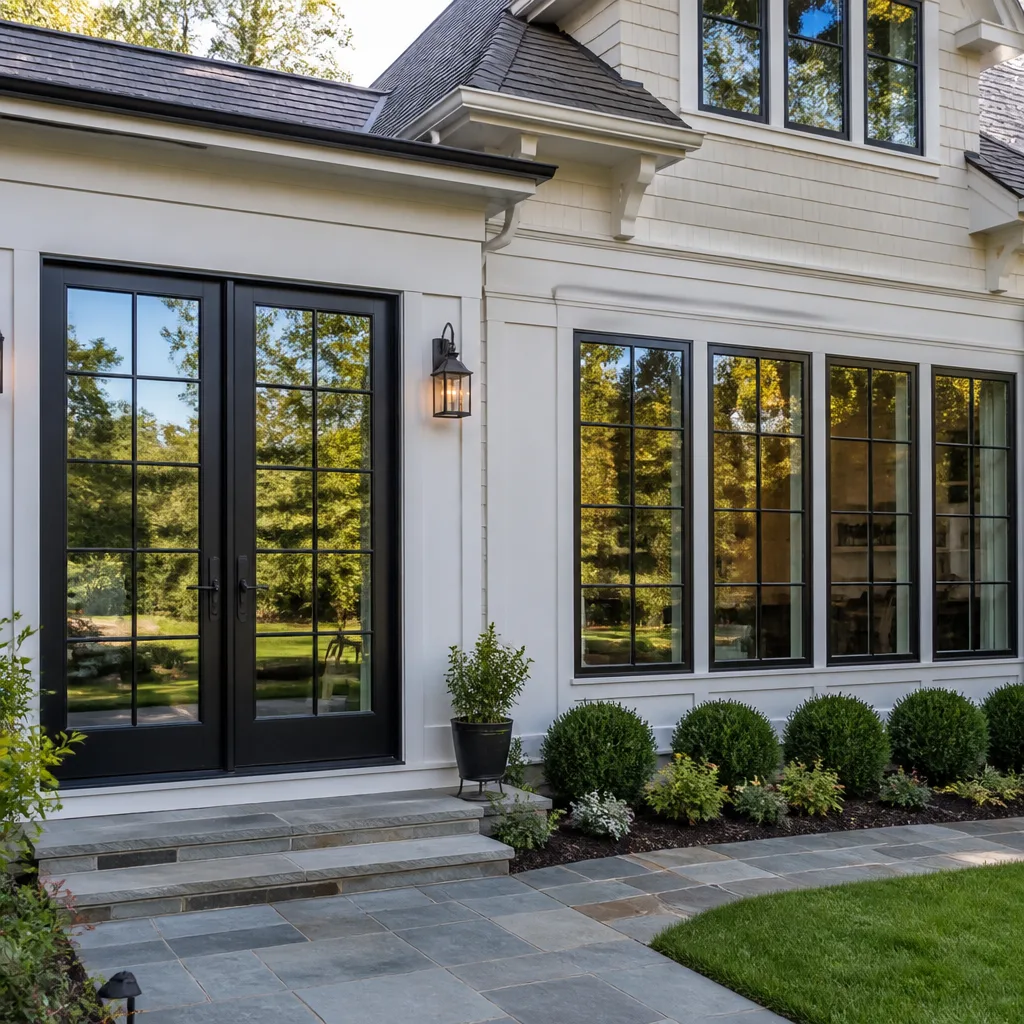
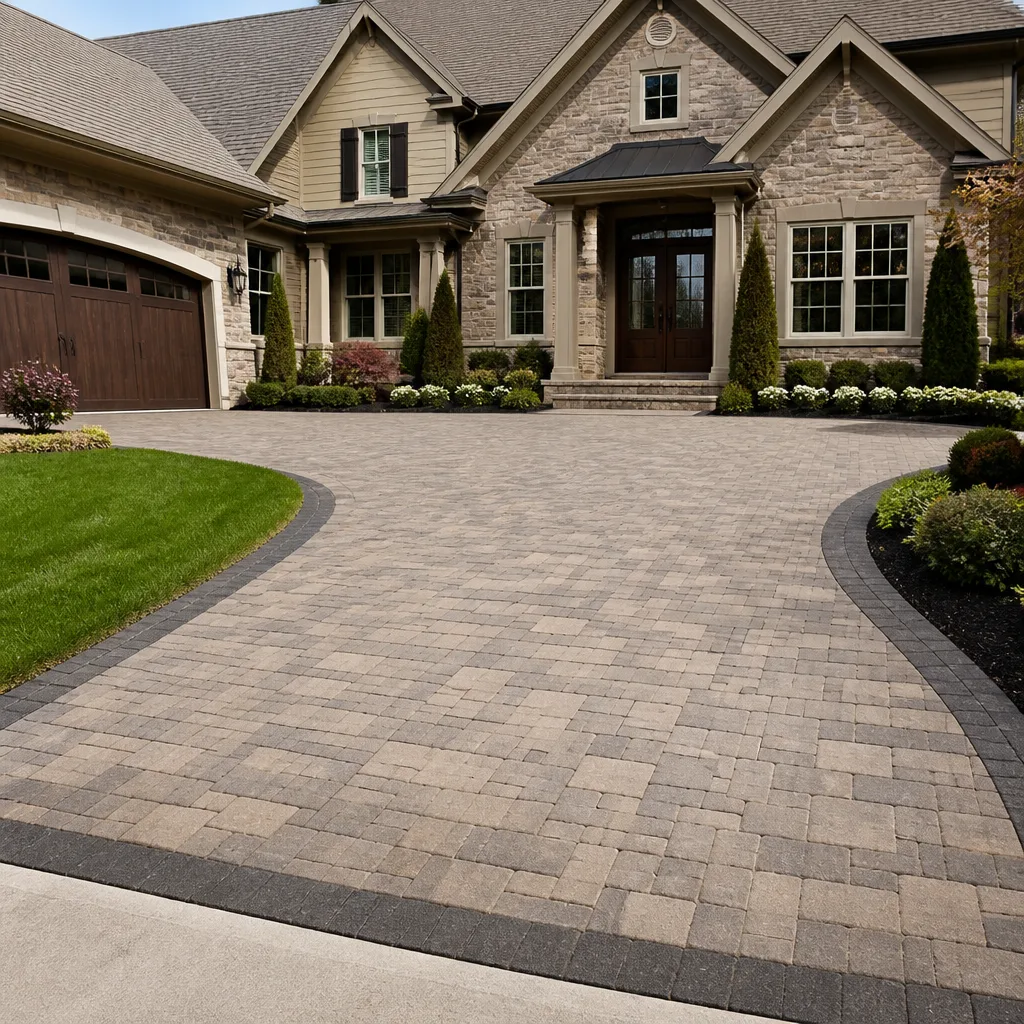
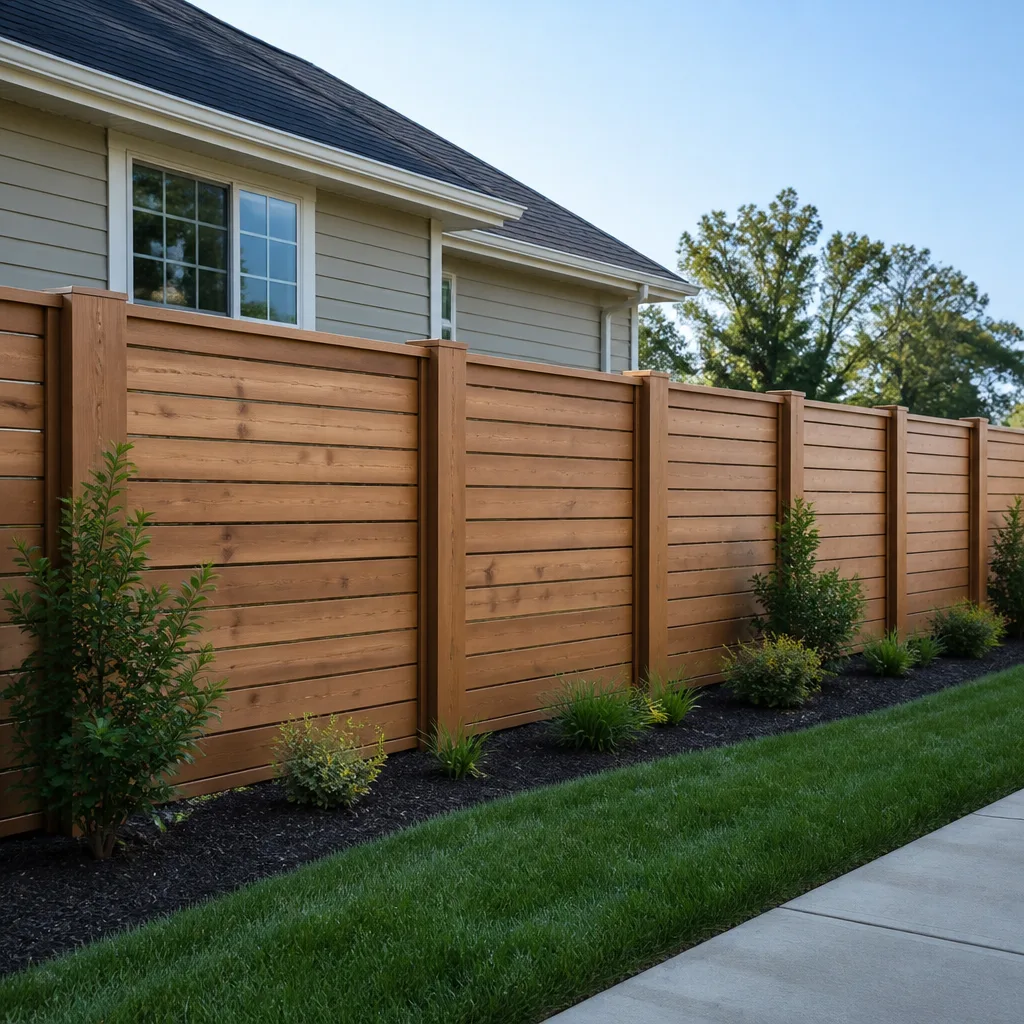
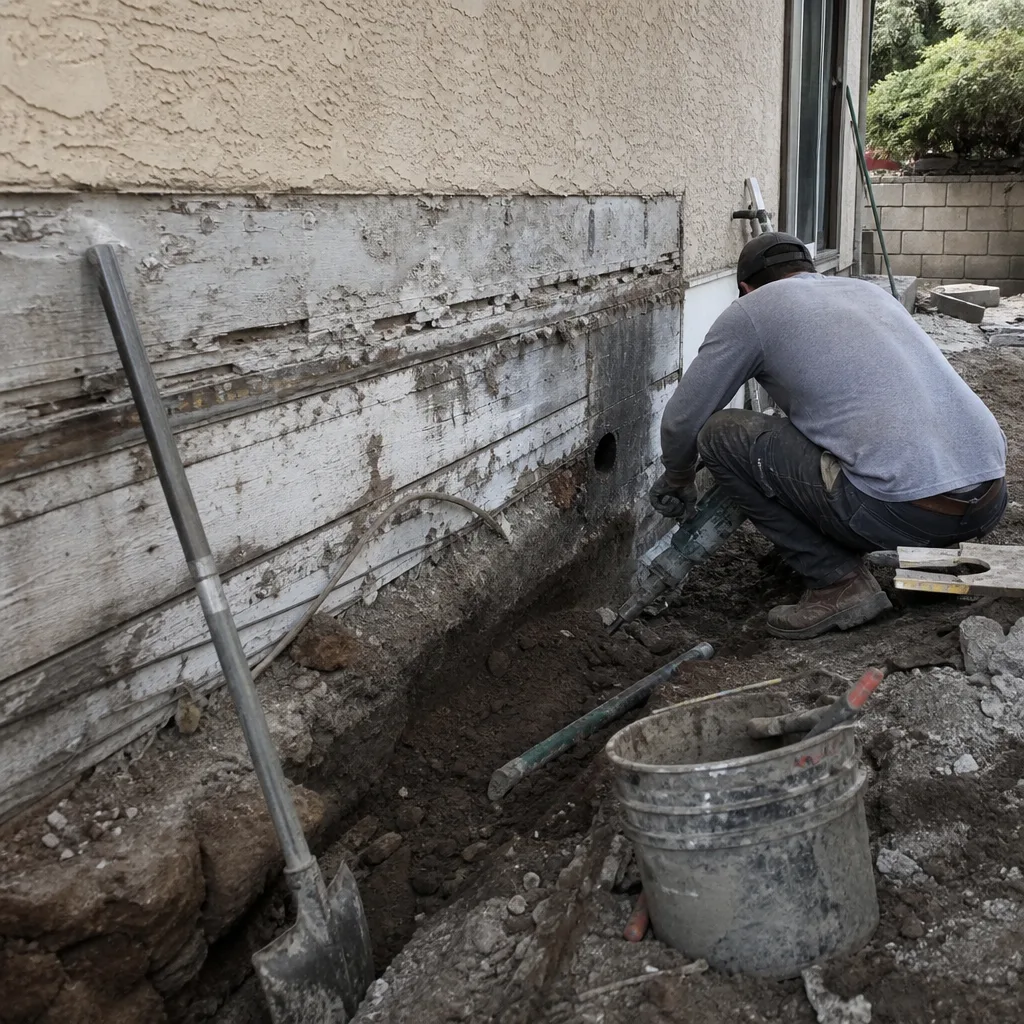 Before
 After
After Before
 After
After Before
 After
AfterThe Complete Guide to Construction in San Diego
San Diego County contains 18 incorporated cities, and a project that sails through permitting in Chula Vista can sit in review for 14 additional weeks in the City of San Diego’s Coastal Overlay Zone - a fact most contractors won’t tell you until the delay has already started. After 4,000-plus projects across this county since 2007, we’ve learned that construction here isn’t harder than other markets, but it is more specific. The coastal salt air degrades fasteners faster than inland climates. Wildfire Urban Interface zones now cover ZIP codes from Rancho Santa Fe to Alpine, triggering material requirements that didn’t exist a decade ago. And the slab-on-grade foundation norm changes everything about how trades sequence compared to markets with framed crawlspaces. This guide maps what actually matters for planning, pricing, and permitting construction work in San Diego - alongside our Construction Cost Breakdown: The San Diego Homeowner’s Reference for 2026 - with real dollar ranges, documented timelines, and the jurisdictional details that determine whether your project starts in March or July.
Quick Answer
Construction in San Diego requires navigating coastal zone overlays, wildfire hardening codes, and jurisdiction-specific permitting timelines that add 3-14 weeks compared to inland California markets. A typical kitchen remodel runs $48,000-$95,000, a 400-square-foot ADU $145,000-$220,000, and a full roof replacement $14,000-$28,000 in 2025-2026 labor conditions, with Title 24 energy compliance adding 8-15% to remodel budgets versus new construction. Success means sequencing trades around slab-on-grade constraints, choosing materials rated for marine air and WUI zones, and understanding Construction Permits, Codes & Inspections in CA: What You Need to Know before plans are submitted.
Table of Contents
- How San Diego Permitting Varies by Jurisdiction
- Title 24 Energy Compliance and Your Budget
- Wildfire Urban Interface Requirements by ZIP Code
- Slab-on-Grade Construction and Trade Sequencing
- Realistic Construction Costs in San Diego (2025-2026)
- Material Selection for Coastal Climate and Code
- Planning Timeline: From Concept to Permit
- What Documentation You Should Receive
 Before
 After
AfterHow San Diego Permitting Varies by Jurisdiction
San Diego County’s 18 incorporated cities operate independent building departments with different staffing levels, plan-check backlogs, and overlay requirements. This is not a minor administrative detail - it is often the single largest variable in your project timeline.
The City of San Diego maintains the most complex system. Projects in the Coastal Overlay Zone (roughly west of Interstate 5 in neighborhoods like Pacific Beach, La Jolla, and Ocean Beach) trigger dual review: standard building department plan check plus Coastal Development Permit review through the Development Services Department. In our experience, this adds 10-14 weeks to initial review compared to inland projects of identical scope. The kitchen remodel in San Diego that clears in 6 weeks in Scripps Ranch can take 18-20 weeks in Mission Beach.
Chula Vista, by contrast, runs a consolidated review for residential projects under $100,000 valuation, typically returning first comments in 4-6 weeks. El Cajon and La Mesa operate similarly. Carlsbad and Encinitas, both coastal cities, require California Coastal Commission consistency determinations for certain zones, adding a state-level layer that San Diego’s coastal zone avoids.
Unincorporated San Diego County (areas like Fallbrook, Ramona, and parts of Spring Valley) falls under the County Department of Environmental Health and Development Services. These areas often require additional well/septic or grading permits that incorporated cities handle through separate departments.
Jurisdiction timeline comparison (typical residential remodel, first plan check to permit issuance):
- City of San Diego (inland): 6-10 weeks
- City of San Diego (Coastal Overlay Zone): 16-24 weeks
- Chula Vista: 4-7 weeks
- Carlsbad: 8-12 weeks (coastal zone additions)
- Encinitas: 10-14 weeks (coastal commission coordination)
- El Cajon: 5-8 weeks
- Escondido: 6-9 weeks
- Oceanside: 7-11 weeks
- Unincorporated County: 8-16 weeks (varies by septic/grading needs)
We advise clients to verify jurisdiction before signing design agreements. A project address in San Diego proper versus an unincorporated pocket of the same ZIP code changes the permit path entirely.
Title 24 Energy Compliance and Your Budget
California’s Title 24, Part 6 energy code applies to all new construction and alterations in San Diego. The 2022 standards, effective through 2025 with 2025 updates phasing in, create a cost asymmetry that surprises many homeowners: compliance is cheaper in new construction than in remodels.
Here’s why. New construction integrates efficiency from the slab up - continuous insulation, high-performance glazing, HVAC sizing matched to calculated loads. Remodels must adapt existing assemblies, often triggering prescriptive requirements for replacement windows, added insulation where walls are opened, and whole-house mechanical ventilation when the conditioned footprint changes significantly.
San Diego spans two climate zones under Title 24: Zone 7 (coastal and near-coastal, including downtown, Point Loma, and Coronado) and Zone 10 (inland valleys and foothills, including Poway, Santee, and Lakeside). Zone 7 allows lower insulation values but requires moisture management strategies for marine air. Zone 10 has higher insulation requirements but simpler glazing specifications.
Typical Title 24 cost impacts in San Diego:
- Kitchen remodel (no footprint change): $2,800-$5,500 for HERS verification, replacement window U-factor compliance, and mechanical ventilation if range hood is upgraded
- Kitchen expansion or addition: $4,500-$9,000 - triggers whole-building compliance path, often requiring insulation upgrades in adjacent walls
- Bathroom remodel (fixture replacement only): Minimal - low-flow fixtures meet prescriptive requirements
- Bathroom expansion with new exterior wall: $3,200-$6,500 - new wall assembly must meet current insulation and window standards
- ADU (new detached): $6,000-$12,000 - full compliance path, but designed in from plans so no retrofit penalty
- Whole-house re-roof with attic access: $1,800-$4,000 if insulation upgrade is triggered by roof deck exposure
The 8-15% remodel premium we cite comes from this adaptation cost. In our bathroom remodeling in San Diego work, we identify the compliance path during the written quote phase so the HERS rater fee appears as a line item, not a surprise.
Wildfire Urban Interface Requirements by ZIP Code
San Diego’s 2003 and 2007 fire seasons reshaped the California Building Code. Chapter 7A now mandates ignition-resistant construction in State Responsibility Area (SRA) and Local Responsibility Area (LRA) fire hazard severity zones. In San Diego County, this affects more territory than most homeowners realize.
WUI-designated areas include Rancho Santa Fe (92067, 92091), Fairbanks Ranch, parts of Poway (92064), Alpine (91901), Descanso (91916), Julian (92036), Ramona (92065), Valley Center (92082), and unincorporated pockets of Fallbrook (92028) and Bonsall (92003). If your property sits in these ZIP codes, your project triggers Chapter 7A regardless of whether you perceive wildfire risk.
Material requirements for WUI zones in San Diego:
- Roofing: Class A fire rating required. GAF Timberline HDZ, Owens Corning Duration, and certain standing-seam metal profiles qualify. Wood shake and shingle are prohibited for new installation; existing wood roofs must be replaced with compliant materials.
- Vents: Ember-resistant vents with 1/8-inch mesh or intumescent screens. Standard soffit vents in older Rancho Santa Fe and Poway homes typically require replacement.
- Exterior walls: Ignition-resistant siding or noncombustible materials. Stucco over proper substrate qualifies; certain wood siding products require treated or fire-retardant formulations.
- Windows and doors: Dual-pane with one tempered pane minimum; specific performance grade for exposure. Vinyl frame degradation in San Diego’s UV exposure means we typically specify fiberglass or thermally broken aluminum in WUI zones.
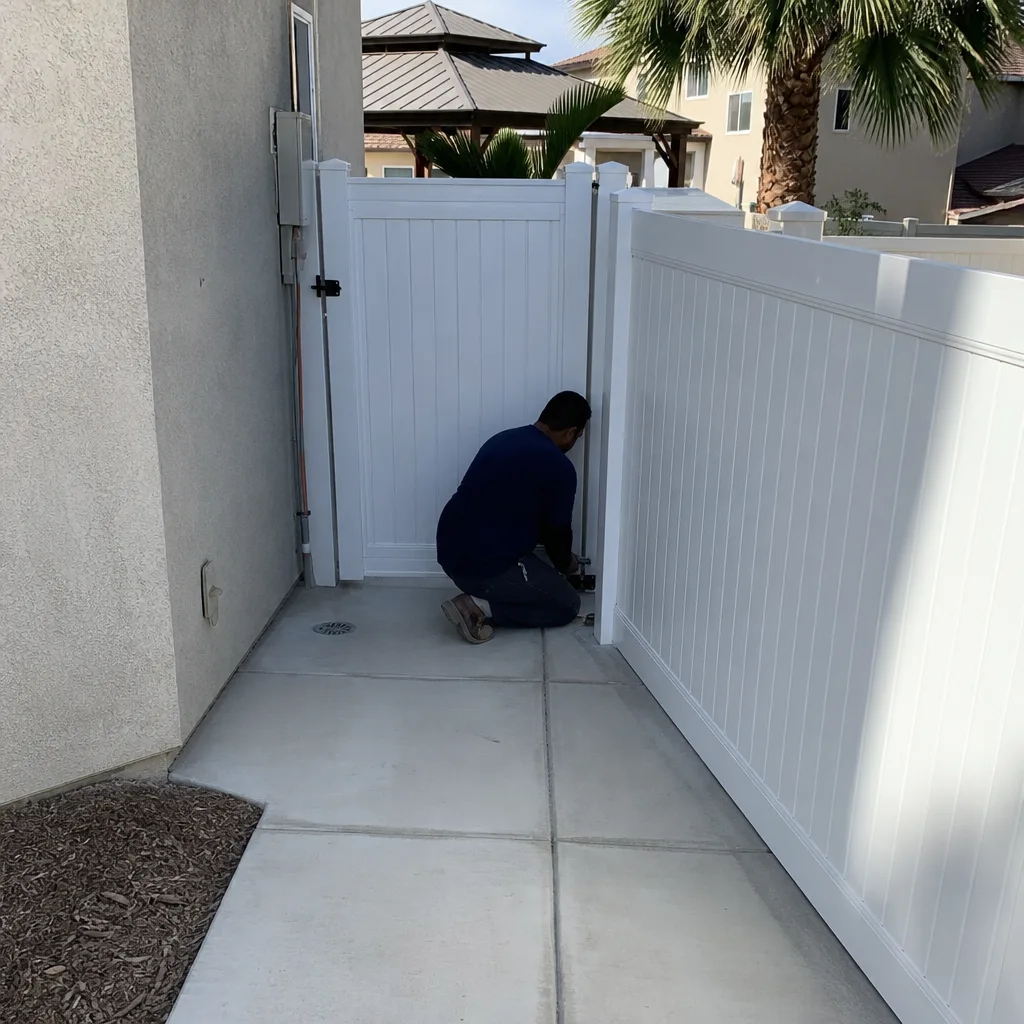
- Decking and fences: Noncombustible or ignition-resistant materials within 10 feet of structures. This affects the Rowan Construction Group San Diego home projects we scope in WUI areas - a standard wood fence replacement becomes a materials specification conversation.
WUI compliance adds $3,500-$8,000 to a typical 2,000-square-foot roof replacement in San Diego compared to identical scope in non-WUI areas, primarily from Class A material upgrade and vent replacement. We identify zone status from the property address before quoting, under Clause 1 of the Haven Standard - the written price includes WUI materials if required, never as a change order after permit review.
Slab-on-Grade Construction and Trade Sequencing
San Diego’s post-1960s residential stock is predominantly slab-on-grade construction, with stem walls and no crawlspace. This changes trade sequencing in ways that framed-crawlspace markets (much of the Southeast, Pacific Northwest, and older Midwest stock) do not face.
In a framed-crawlspace home, plumbing rough-in occurs from below, electrical can be fished through joist bays, and HVAC ductwork is accessible for future modification. In San Diego’s slab construction, these systems are embedded in or run through the slab, or they travel through attic spaces with limited headroom.
Sequencing implications for San Diego remodels:
- Plumbing moves are expensive: Relocating a kitchen sink or toilet in a slab home requires concrete cutting, tunneling, or rerouting through walls and soffits. A drain line move that costs $800-$1,200 in a crawlspace market runs $2,500-$5,000 in San Diego slab construction.
- Electrical panel upgrades require pathway planning: Main service panels in slab homes are often exterior-mounted or in garages with slab floors. Upgrading from 100A to 200A service may require trenching, conduit runs, or meter relocation - scope that isn’t visible until the existing routing is documented.
- HVAC replacement triggers duct assessment: San Diego’s slab homes typically use attic ductwork with flex runs. Replacement units must match existing plenum configurations, or ductwork must be redesigned within attic structural constraints. In 1960s-1980s stock in Clairemont, Linda Vista, and Mira Mesa, we’ve found attic trusses that limit air handler dimensions.
- Tile and flooring removal reveals slab condition: We always photo-document slab surface before flooring installation. Spalling, prior patchwork, or elevation changes affect finished floor performance and must be addressed before material delivery.
For roofing in San Diego, slab construction creates a different consideration: no attic floor to stage materials or support crew weight during tear-off. We specify plywood walkboards and interior protection protocols that framed-attic markets don’t require.
Realistic Construction Costs in San Diego (2025-2026)
San Diego’s construction labor market runs 15-25% above national averages, driven by high housing costs that push skilled trades compensation upward and by sustained demand from the 2015-2025 homebuying cohort now remodeling. Material costs stabilized in 2024 after pandemic volatility but remain elevated for California-specified products.
The following ranges reflect our written quotes across 4,000-plus projects, with material tiers named so you can compare apples-to-apples. These are flat prices with written scope, not estimates that shift once work starts.
Kitchen Remodeling
- Cosmetic refresh (cabinets refinished, countertops replaced, appliances swapped): $28,000-$42,000
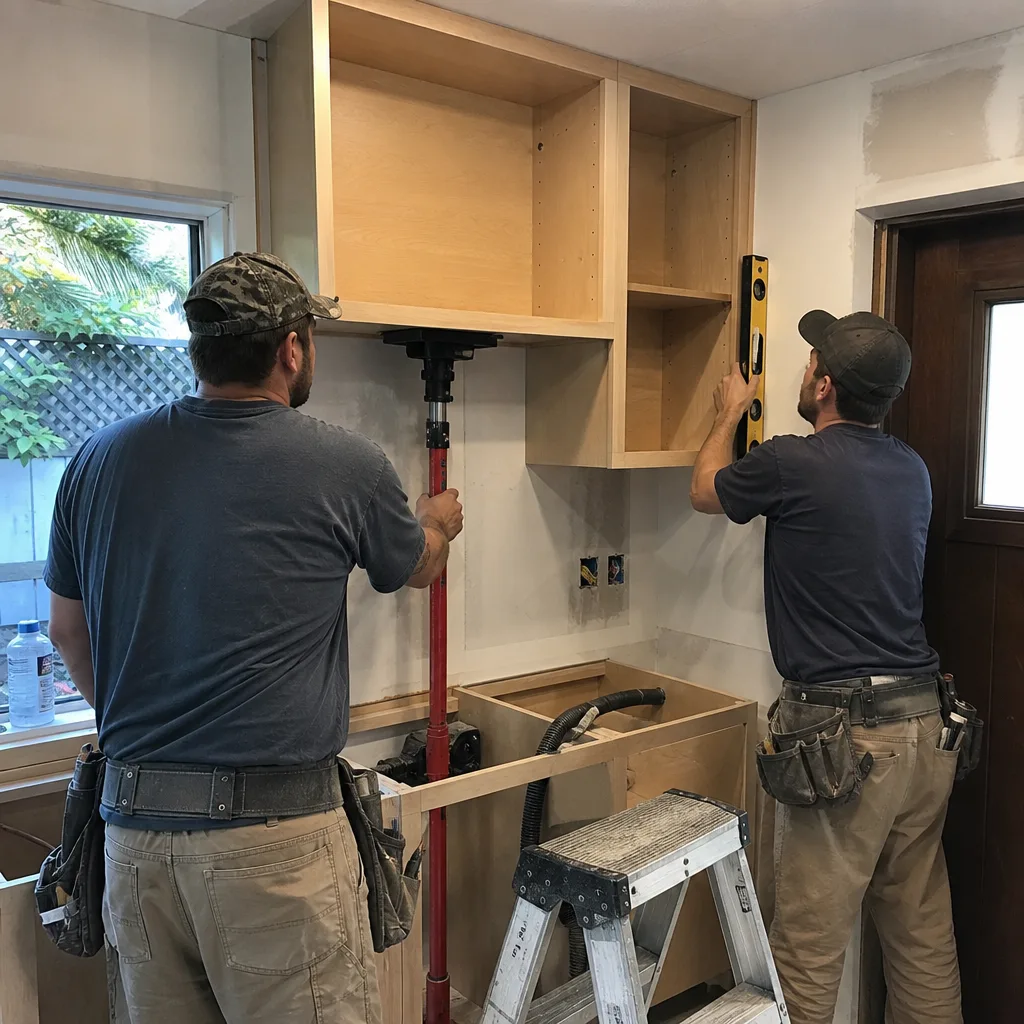
- Mid-range reconfiguration (layout change, new cabinetry, quartz countertops, standard appliances): $48,000-$75,000 - KraftMaid or Wellborn cabinets, Cambria or Caesarstone countertops at this tier
- Full custom (structural wall modification, high-end appliances, custom cabinetry, built-ins): $85,000-$145,000
Bathroom Remodeling
- Hall bath refresh (fixture replacement, tile surround, vanity): $18,000-$28,000
- Primary bath reconfiguration (layout change, walk-in shower, freestanding tub, dual vanity): $38,000-$65,000 - Kohler or Toto fixtures typical at mid-tier
- Luxury primary (steam shower, heated floors, custom tile, structural modifications): $72,000-$110,000
Roofing (complete tear-off, 2,000 sq ft typical)
- Architectural shingle (GAF Timberline HDZ or Owens Corning Duration): $14,000-$20,000
- Concrete tile (standard weight, Ludowici or Eagle equivalent): $22,000-$32,000
- Standing seam metal (26-gauge, Kynar finish): $28,000-$42,000
- WUI zone premium (ember vents, Class A assembly verification): Add $3,500-$8,000
Windows and Doors (whole-house, 15-20 openings)
- Vinyl replacement (ViewLux or equivalent, dual-pane): $12,000-$18,000
- Fiberglass (thermally broken, WUI-compliant): $22,000-$35,000
- Entry door with sidelite (fiberglass or steel, impact-rated): $3,500-$6,500 per opening
Home Additions and ADUs
- 400 sq ft detached ADU (studio, slab foundation, standard finishes): $145,000-$185,000
- 600 sq ft 1-bedroom ADU (kitchenette, separate HVAC, mid finishes): $195,000-$255,000
- 800+ sq ft 2-bedroom (full kitchen, stacked laundry, upgraded finishes): $265,000-$340,000
- Attached room addition (foundation tie-in, roof integration): $285-$385 per square foot
Fence Installation (linear foot, 6-foot height)
- Pressure-treated wood (post and board): $28-$42
- Vinyl privacy (Barrette or equivalent, routed rails): $48-$68
- Ornamental aluminum (Ameristar, 3-rail with puppy panel): $62-$85
- Wrought iron (custom fabricated, powder-coated): $85-$140
Driveway and Pavers
- Standard concrete (4-inch, 3,000 PSI, broom finish): $8-$14 per square foot
- Stamped concrete (integral color, release, seal): $14-$22
- Belgard or Techo-Bloc pavers (concrete pavers, proper base): $18-$28
- Permeable paver system (required in some stormwater management zones): $24-$36
These ranges include permit fees for City of San Diego jurisdiction; coastal zone or other city fees may adjust upward. Under Clause 1 of the Haven Standard, the written quote you receive before any work starts locks these numbers with signed change order protection.
Material Selection for Coastal Climate and Code
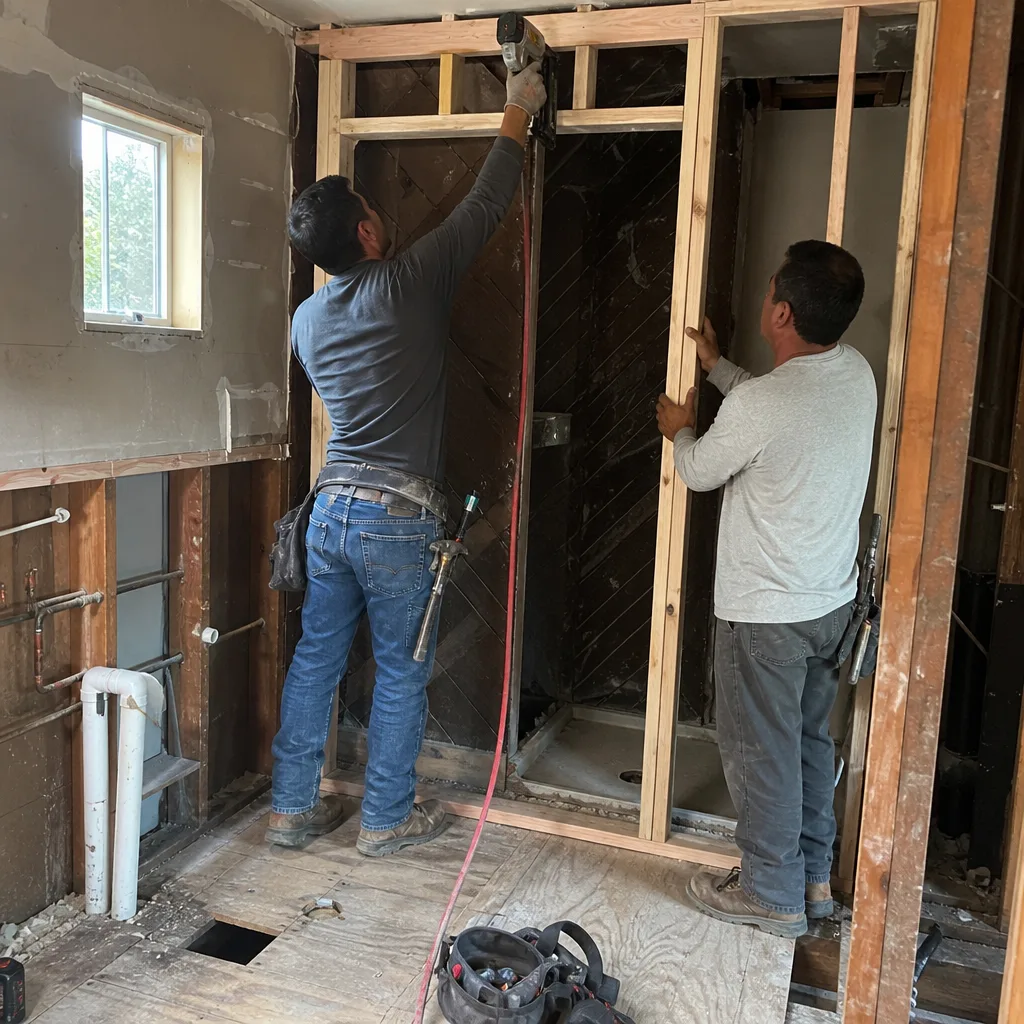
San Diego’s marine climate - salt air, moderate humidity, intense UV - degrades materials differently than desert, mountain, or humid continental climates. Material selection here is not aesthetic preference alone; it is service-life economics.
Fasteners and hardware: Standard zinc-plated fasteners show corrosion within 3-5 years within a mile of the coast. We specify 316 stainless or hot-dip galvanized hardware for exterior applications in Pacific Beach, Ocean Beach, Point Loma, and Coronado. This adds $400-$800 to a typical deck or fence project but eliminates replacement cycles.
Roofing underlayment: Synthetic underlayment (GAF FeltBuster, Owens Corning ProArmor) outperforms organic felt in UV exposure during construction delays, which are common in San Diego’s permit environment. We specify synthetic on every project, included in the written price.
Exterior paint and coatings: Acrylic latex with mildewcide, minimum 25-year manufacturer warranty. In coastal zones, we specify additional elastomeric coating for stucco substrates to manage hairline cracking from thermal cycling.
Window frames: Vinyl degrades in San Diego’s UV intensity; we’ve replaced vinyl windows in 15-year-old Scripps Ranch and Rancho Bernardo homes that warped or yellowed. Fiberglass (Milgard Ultra, Andersen Fibrex) or thermally broken aluminum (ViewLux thermally improved lines) carries higher first cost but 30-plus-year service life.
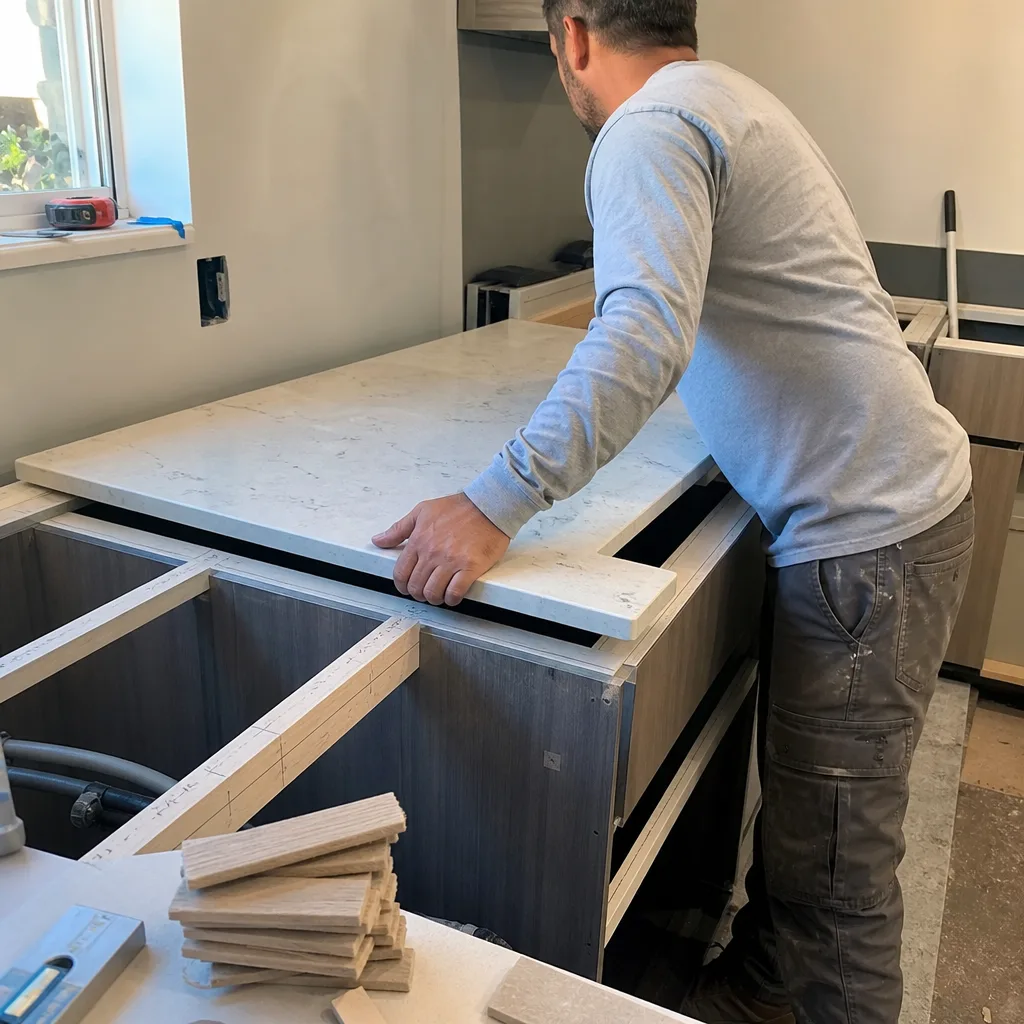
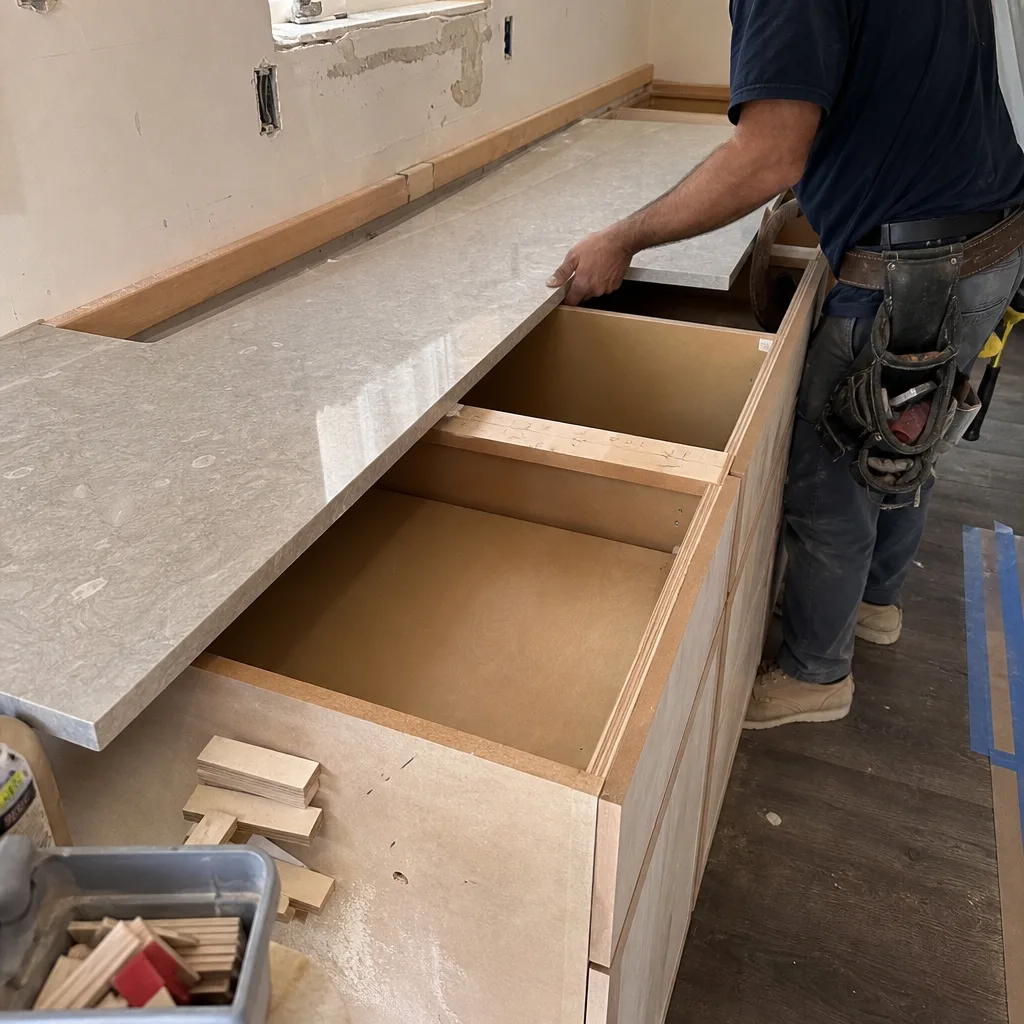
Countertops: Cambria and Caesarstone quartz perform well in San Diego’s climate - non-porous, UV-stable, no sealing required. Natural marble and limestone, while specified in high-end projects, require honest conversation about etching from citrus acidity (common in local cuisine) and porosity that demands annual sealing.
Pavers versus poured concrete: Belgard and Techo-Bloc concrete pavers with proper 6-inch aggregate base and bedding sand outperform poured concrete on San Diego’s expansive clay soils (found in Scripps Ranch, Del Mar, and parts of Carlsbad). Paver systems accommodate soil movement without cracking; concrete requires control joints and still cracks predictably. The 8-12 year replacement cycle for cracked concrete versus 25-plus year paver service life shifts lifetime cost analysis.
Planning Timeline: From Concept to Permit
Realistic planning prevents the compressed schedules that produce change orders and cost overruns. Below is the sequence we use for kitchen remodeling in San Diego and other major trades, with San Diego-specific timing.
Phase 1: Scope Definition (2-4 weeks)
- Initial site visit with photo documentation of existing conditions
- Preliminary budget alignment - we provide trade-specific ranges before design investment
- Feasibility assessment: structural implications, utility routing, code triggers (Title 24, WUI, coastal)
- Written estimate with flat price, material tier options, and timeline estimate
Phase 2: Design and Documentation (4-12 weeks, varies by complexity)
- Measured drawings and existing conditions documentation
- Design development with material selections (we provide samples from our 50-plus vetted brands)
- Structural engineering if walls are modified or additions exceed prescriptive spans
- Title 24 compliance documentation (HERS rater engagement for remodels)
- Final permit drawings with jurisdiction-specific sheet requirements
Phase 3: Permitting (varies dramatically by jurisdiction - see permitting section above)
- Plan check submittal with complete package (incomplete submittals restart the queue)
- Plan check comments and revision cycle (typically 1-2 rounds)
- Permit issuance and scheduling
Phase 4: Pre-Construction (1-2 weeks)
- Material procurement and lead-time confirmation (cabinetry 6-10 weeks, windows 4-8 weeks typical)
- Utility locate and neighbor notification per jurisdiction
- Pre-construction walkthrough with documented photo record of protection measures
Phase 5: Construction (trade-specific, see cost section for ranges)
- Daily progress documentation with photo record
- Inspection scheduling (foundation, framing, insulation, mechanical, final - varies by scope)
- Punch list and final documentation delivery
For a mid-range kitchen remodel in San Diego proper, this sequence typically spans 5-8 months from signed agreement to final walkthrough. Coastal zone permitting pushes the upper bound. ADU projects in Chula Vista or unincorporated county with streamlined paths can compress to 4-6 months.
What Documentation You Should Receive
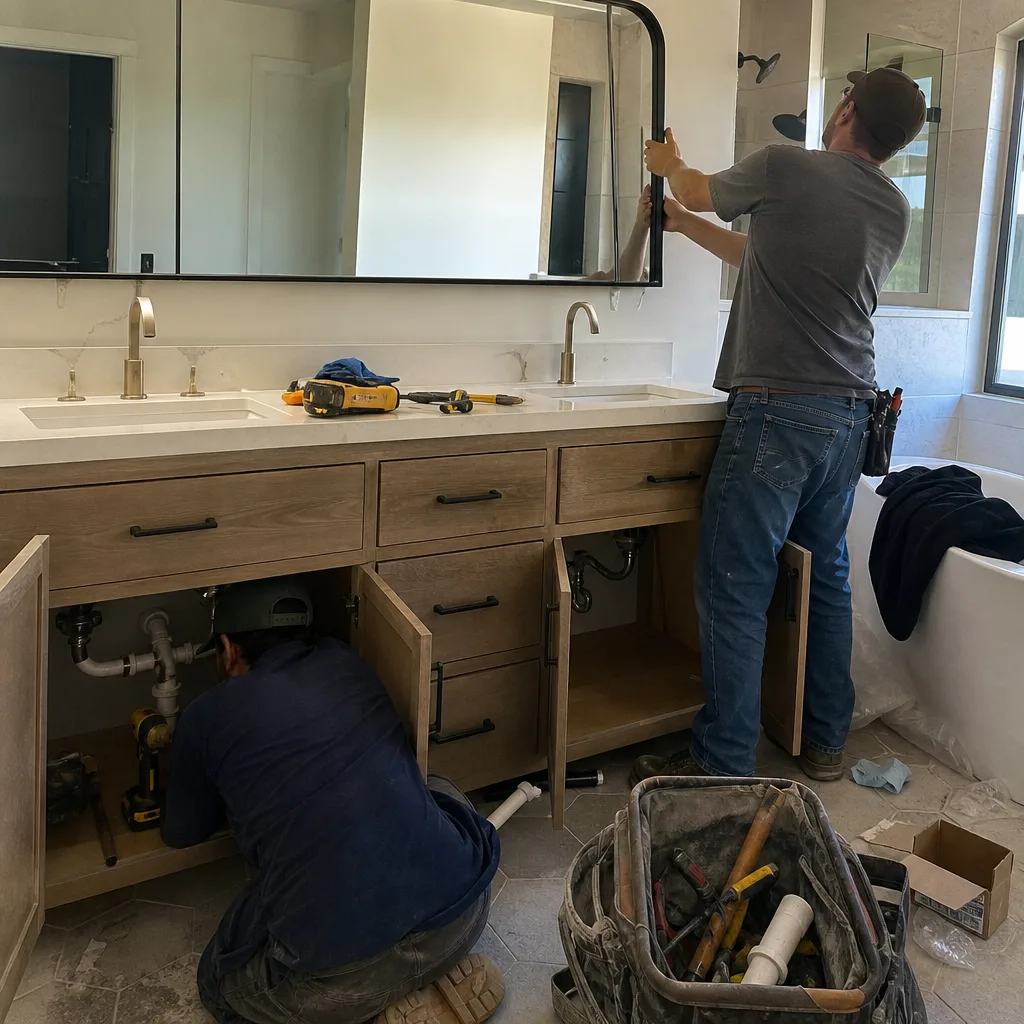
Documentation separates professional construction from informal work. Under the Haven Standard, every Rowan Construction Group San Diego project delivers specific documents at specific milestones - included as standard, never as an upgrade.
Before work starts:
- Written flat-price quote with line-item scope, material specifications by brand and model where applicable, and exclusion list (what the price does not cover)
- Copy of applicable license and insurance certificates
- Notice of Right to Cancel (3-day cancellation for residential contracts over $500, per California Civil Code)
- Pre-construction photo record of existing conditions
During construction:
- Dated photo record of progress, accessible to customer on request
- Signed change orders for any scope modification - no work proceeds without this document, per Haven Standard Clause 3
- Inspection sign-off cards as inspections pass
At completion:
- Final photo record of completed work
- Written warranty document (365-Day Done Right Promise terms)
- Lien release from Rowan Construction Group and any subcontractor with material or labor claim
- Maintenance instructions for installed materials
- Permit final and certificate of occupancy where applicable
We encourage customers to compare this documentation package against competitor proposals. The absence of written scope, signed change order protocol, or lien release protection is a predictor of disputes - and a Construction Warning Sign - we’ve seen across 18 years in this market.
Common Mistakes to Avoid
- Starting design before confirming jurisdiction and overlays. A La Jolla homeowner we worked with in 2022 spent $8,000 on architectural drawings before discovering the Coastal Development Permit requirement added 16 weeks and required design modification for view corridor compliance. Verify overlays before design investment.
- Assuming “remodel” exempts from current energy code. Title 24 applies to alterations that expose walls, replace windows, or modify HVAC. The HERS rater engagement is not optional, and unpermitted work discovered at sale can trigger retrofit requirements at higher cost.
- Specifying wood roofing in WUI zones. Some suppliers still stock wood shake for “repair” claims. New installation is prohibited; permits will be denied, and insurance coverage may be voided.
- Ignoring fastener corrosion in coastal zones. We’ve replaced decks in Ocean Beach and Imperial Beach where standard fasteners failed in under 5 years, causing structural degradation that required full rebuild rather than repair.
- Accepting “allowance” pricing without material specification. An $8,000 “tile allowance” becomes $14,000 when actual selections are made. Our written quotes specify material tiers by brand and product line so the price reflects real selections.
- Proceeding without signed change orders. The most common dispute source in construction is verbal scope expansion. Under Haven Standard Clause 3, no work proceeds on changed scope without signed documentation - protecting both parties.
- Neglecting utility locate before excavation. San Diego’s older neighborhoods (Kensington, Talmadge, parts of North Park) have unmapped utility runs. Private utility locate services cost $300-$600; hitting an unmarked line costs $3,000-plus in emergency repair and delay.
When to Call a Professional
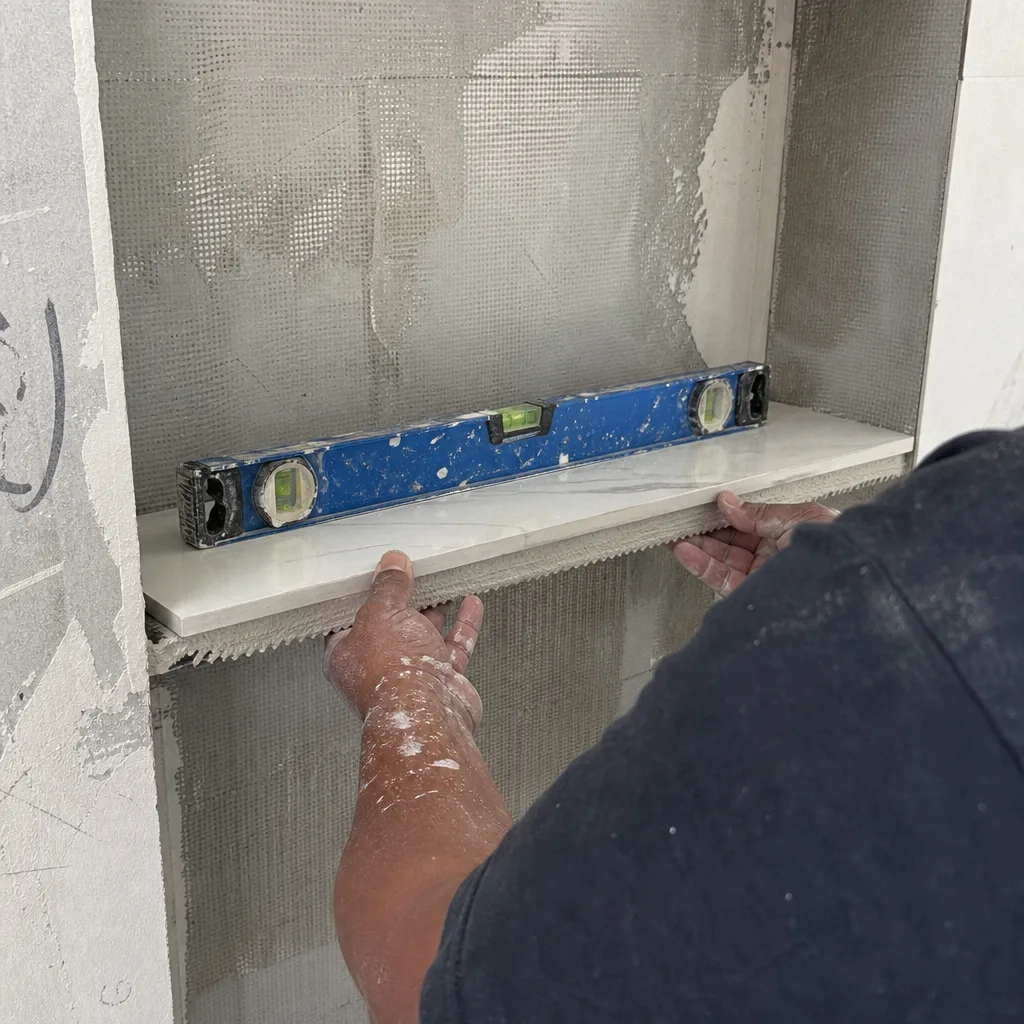
Call a licensed contractor when your project involves structural modification, utility relocation, permit requirements, or work in regulated zones (coastal, WUI, historic). San Diego’s overlapping code layers make self-assessment risky - a property in the 92109 ZIP code may or may not trigger coastal review depending on precise location relative to the mean high tide line.
Rowan Construction Group San Diego offers free estimates in San Diego - call (858) 434-8926. We also provide free second opinions on any written estimate from another contractor, reviewing line-item scope and pricing against our 4,000-project database. If you’re early in planning, we’ll confirm jurisdiction, overlays, and code triggers before you invest in design, under Clause 1 of the Haven Standard: the price is written before anyone starts.
Frequently Asked Questions
A mid-range kitchen remodel in San Diego typically costs $48,000-$75,000, including KraftMaid or Wellborn cabinetry, Cambria or Caesarstone countertops, standard appliance package, and Title 24 compliance. Cosmetic refreshes start around $28,000; full custom projects with structural modification range $85,000-$145,000. Coastal zone permitting, WUI requirements, and slab-on-grade plumbing relocation can adjust these ranges. Call (858) 434-8926 for an exact quote - estimates are free.
Permitting timelines in San Diego vary from 4 weeks in Chula Vista to 24 weeks in the City of San Diego’s Coastal Overlay Zone. Inland City of San Diego projects typically clear in 6-10 weeks; Carlsbad and Encinitas coastal projects require 10-14 weeks with potential California Coastal Commission coordination. Unincorporated county projects add 2-6 weeks if septic or grading permits are required. We verify jurisdiction and overlay status before quoting so timelines are accurate.
Title 24 is California’s energy code requiring efficiency standards for new construction and alterations. It applies to San Diego remodels that expose walls, replace windows, modify HVAC, or change conditioned square footage. Compliance adds $2,800-$9,000 to typical kitchen and bathroom remodels but is designed into new construction like ADUs at lower relative cost. HERS rater verification is required for most compliance paths.
San Diego WUI-designated areas include ZIP codes 92067, 92091, 92064, 91901, 91916, 92036, 92065, 92082, and portions of 92028 and 92003. If your property is in these areas, Chapter 7A requires Class A roofing, ember-resistant vents, ignition-resistant siding, and tempered dual-pane windows. We verify WUI status from your address before quoting and include compliant materials in the written price.
Under the Haven Standard, no. Our written quote is a flat price with defined scope. If you request changes, we provide a signed change order with the new price before any additional work proceeds. This discipline has kept our projects within a few percent of the agreed price across 4,000-plus jobs since 2007. The only price changes occur when concealed conditions are discovered - rot, undocumented prior work, soil conditions - and even then, we document with photos and stop for signed authorization.
Yes. Rowan Construction Group pulls all required permits as the responsible contractor of record. We include permit fees in the written quote, schedule inspections, and ensure final sign-off. For jurisdictions with online portals, we provide tracking numbers; for those with phone-only systems, we confirm status at each milestone. The permit final and certificate of occupancy are delivered with your completion documentation.
The Bottom Line
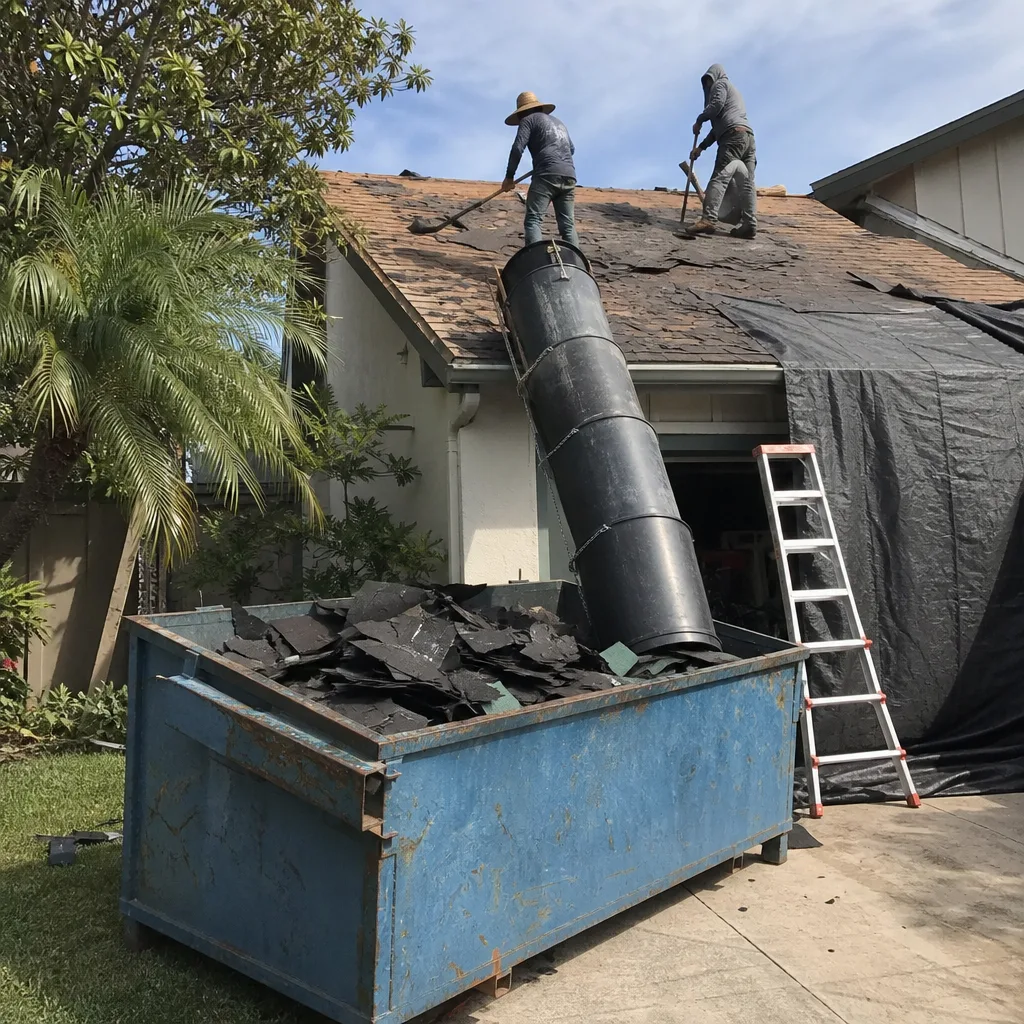
Construction in San Diego succeeds when jurisdiction, climate, and code constraints are mapped before design begins, not discovered after permits are submitted. The 18 incorporated cities, two Title 24 climate zones, and expanding WUI designations create a specific planning environment that rewards preparation and penalizes assumptions. Realistic budgeting - $48,000-$75,000 for mid-range kitchen remodels, $145,000-$220,000 for detached ADUs, $14,000-$28,000 for roof replacements - allows material selection that matches San Diego’s marine climate and regulatory requirements. Documentation at every milestone, signed change order discipline, and written pricing before work starts are the practices that keep projects on track in this market. For more guides & resources, explore our blog.
Written by Grant Rowan, Owner at Rowan Construction Group San Diego, serving San Diego since 2007.