
Last updated September 25, 2026
Free written scope consultation - allowances, timeline, and change-order rules on paper before a single trade is scheduled
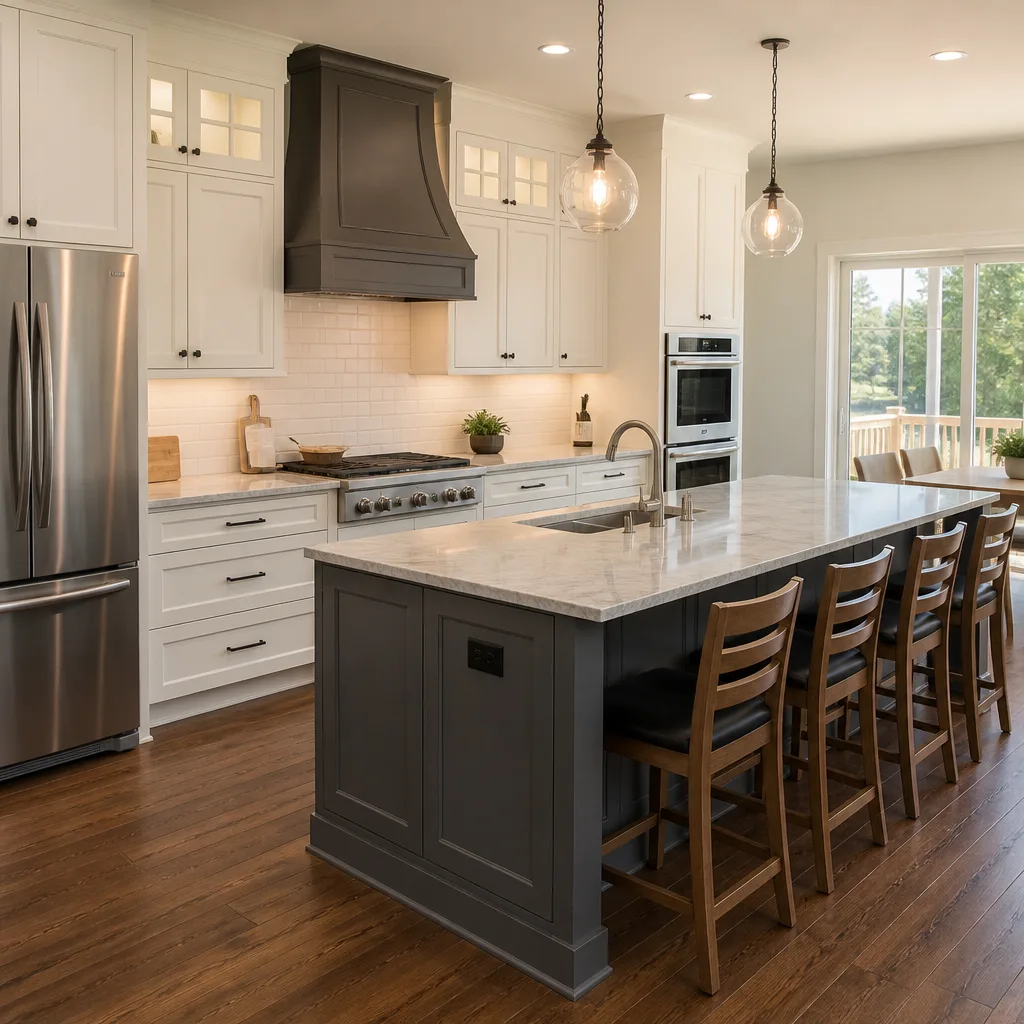
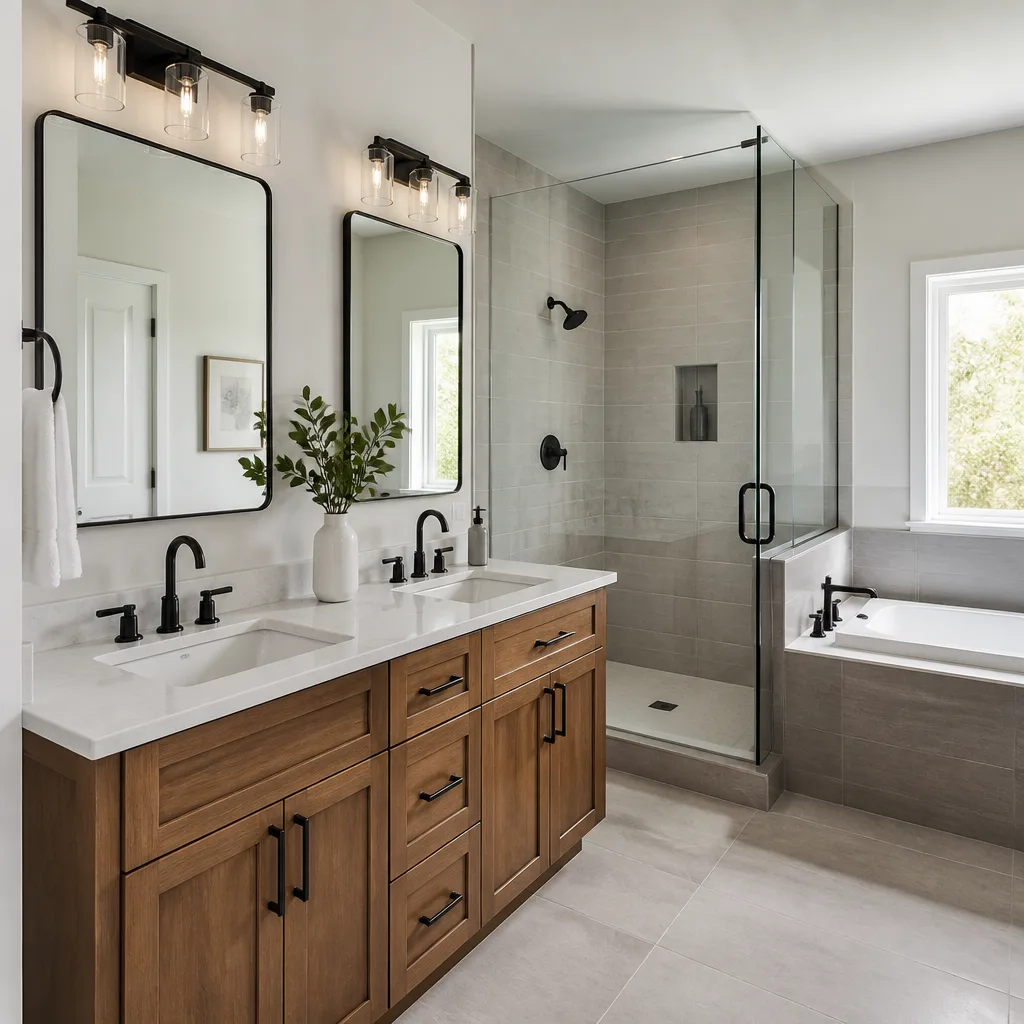
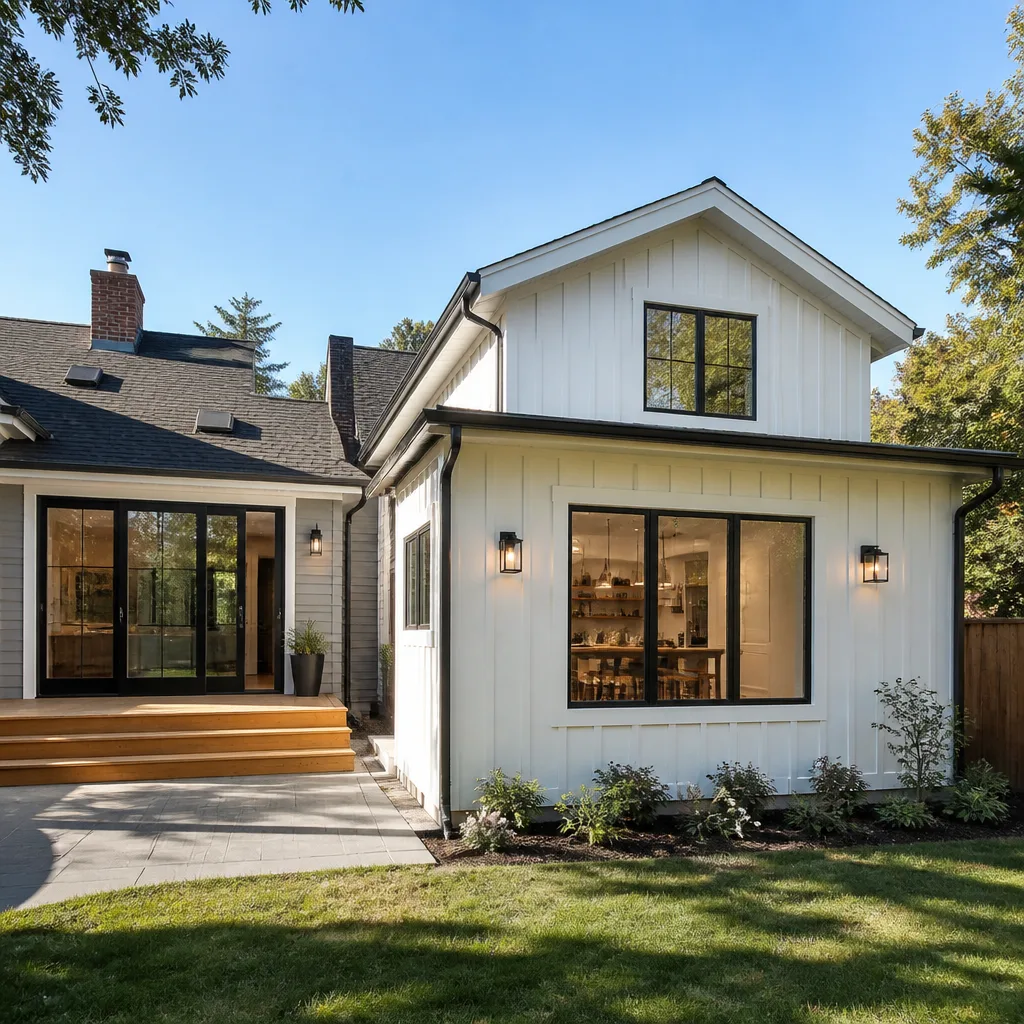
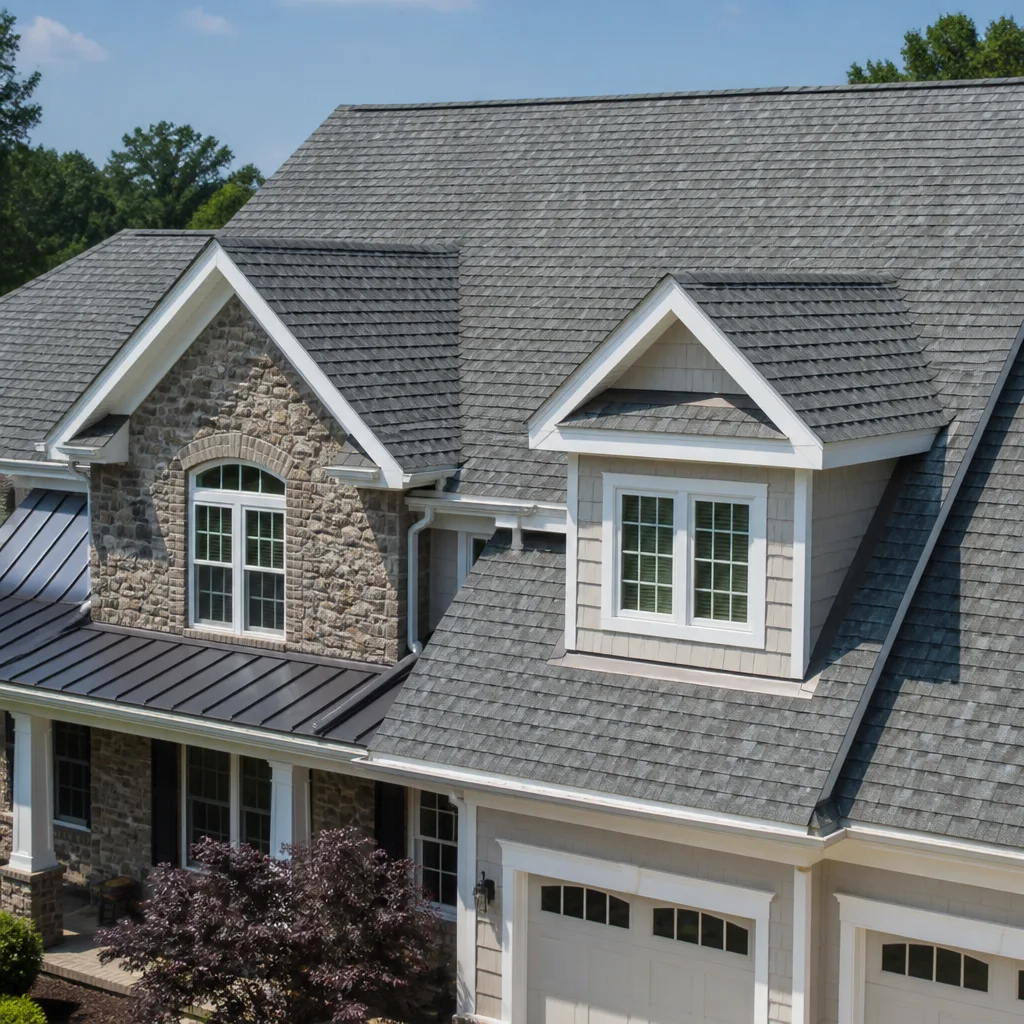
 Before
 After
After Before
 After
After Before
 After
AfterConstruction Cost Breakdown: The San Diego Homeowner’s Reference for 2026
In San Diego’s 2025-2026 labor market, a licensed journeyman electrician bills at $95-$115 per hour through a licensed contractor - but that rate disappears from most remodel quotes, replaced by a single line that reads “electrical: $12,400.” This guide puts the components back in. We’re going to dismantle the useless $25,000-$150,000 kitchen range into actual numbers: what trades charge per hour in San Diego right now, what named brands cost at three tiers, how the City of San Diego calculates permit fees from valuation tables, and why that overhead-and-profit line you see on every bid is not padding. You’ll finish this with a framework for comparing bids line by line, not gut to gut.
Quick Answer
A typical San Diego residential construction project in 2026 breaks down to roughly 40-50% labor, 25-35% materials, 10-15% permits and fees, and 15-25% contractor overhead and profit. For a $100,000 kitchen remodel, that means $40,000-$50,000 in trade labor at current San Diego rates, $25,000-$35,000 in materials depending on tier, $10,000-$15,000 in city permits and required inspections, and $15,000-$25,000 in legitimate overhead and margin. The exact split depends on which trades dominate your project and whether you’re in coastal San Diego, where labor rates run 10-15% higher due to commute costs and parking constraints.
Table of Contents
- San Diego Labor Rates by Trade: What Journeymen Actually Bill in 2026
- Material Tiers with Named Brands and Current Pricing
- Permit Cost Calculator: San Diego’s Valuation Methodology
- Overhead and Margin: What That 15-25% Line Actually Covers
- Why Cost-Per-Square-Foot Misleads for Remodels
- How to Compare Bids Line by Line
- San Diego Neighborhood Cost Variations
- Climate and Code Factors That Move the Number
 Before
 After
AfterSan Diego Labor Rates by Trade: What Journeymen Actually Bill in 2026
Most San Diego homeowners never see the hourly rates behind their bid. Contractors roll them into line items, and the homeowner guesses at value. Here’s what licensed trades bill through established contractors in San Diego County as of early 2026, based on prevailing wage data, our own subcontractor agreements, and conversations with five other licensed general contractors operating in the metro.
| Trade | Journeyman Rate (per hour) | Apprentice Rate (per hour) | Typical Hours per Project |
|---|---|---|---|
| General Carpentry / Framing | $75-$95 | $45-$60 | 80-200 (kitchen), 200-400 (addition) |
| Licensed Electrical | $95-$115 | $55-$75 | 40-80 (kitchen), 60-120 (whole-home) |
| Licensed Plumbing | $90-$110 | $50-$70 | 30-60 (bath), 50-100 (kitchen + bath) |
| HVAC (Sheet Metal / Ducting) | $85-$105 | $50-$65 | 20-40 (mini-split), 40-80 (full system) |
| Tile Setting (Floor and Wall) | $65-$85 | $40-$55 | 40-80 (bath), 60-120 (kitchen + bath) |
| Drywall / Finish Carpentry | $55-$75 | $35-$50 | 60-120 (whole-home repaint prep) |
| Painting (Prep and Finish) | $45-$65 | $30-$45 | 40-80 (interior), 60-100 (exterior) |
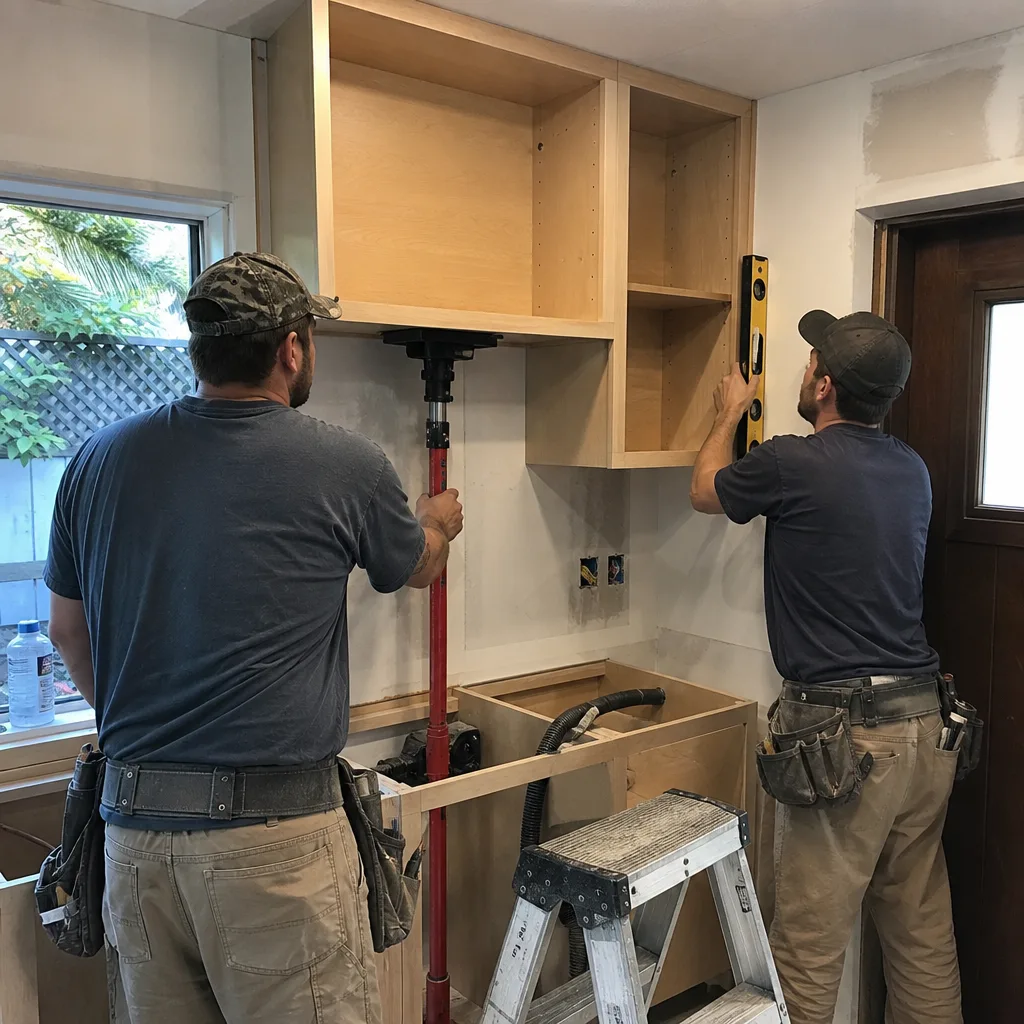
These are billing rates, not take-home pay. They cover the technician’s wages, payroll taxes, workers’ compensation insurance (which runs 15-25% of wages in California construction), basic tools, and vehicle costs. Coastal San Diego zip codes - 92037, 92106, 92109 - tend toward the high end because parking is tighter, material deliveries face time restrictions, and skilled tradespeople command a premium to work in areas where their own housing costs more.
The apprentice distinction matters. California’s Division of Apprenticeship Standards requires one apprentice for every three journeymen on most commercial jobs, and many residential contractors maintain similar ratios for cost control. A bid that shows all journeyman hours at $110 may be overstaffing; one that shows all apprentice hours at $45 may be underqualified. At Rowan Construction Group, we list the labor mix in our written scope so the customer sees who will be on site.
One San Diego-specific factor: the region’s mild climate means exterior work happens year-round, but the February-May dry season creates scheduling compression. We’ve seen framing crews in Mission Valley and Scripps Ranch booked six weeks out by March, and rates climb 10-15% for rush scheduling. Planning your start date in October or November often secures better labor availability.
Material Tiers with Named Brands and Current Pricing
Material quotes are where most homeowners lose their bearings. “Granite countertops” can mean $2,800 or $8,500 depending on origin, thickness, and edge detail. We organize every material category into three tiers - budget, mid-grade, premium - with named brands and San Diego pricing as of late 2025, which carries into 2026 barring supply shocks.
Cabinetry
Budget ($150-$300 per linear foot installed): Stock boxes from Home Depot or Lowe’s house brands, particleboard construction, thermofoil or basic wood veneer faces. Functional, limited sizes, 5-10 year lifespan in a rental or short-term hold.
Mid-Grade ($350-$600 per linear foot installed): KraftMaid, Wellborn, or similar semi-custom lines - plywood boxes, soft-close hardware, 20+ finish options. This is where most San Diego homeowners land for primary residences. KraftMaid’s Cherry or Maple lines with dovetail drawer boxes run toward $500/linear foot in our quotes.
Premium ($700-$1,200+ per linear foot installed): Custom built-to-order from local shops or high-end imports, solid hardwood everywhere, integrated lighting, pull-out pantries. In La Jolla and Del Mar projects, we’ve specified European imports that exceed $1,500/linear foot with hardware from Blum or Hettich.
Countertops
Budget ($40-$60 per square foot installed): Laminate (Formica, Wilsonart) or basic tile with sanded grout. Functional, dated aesthetic, 10-year lifespan.
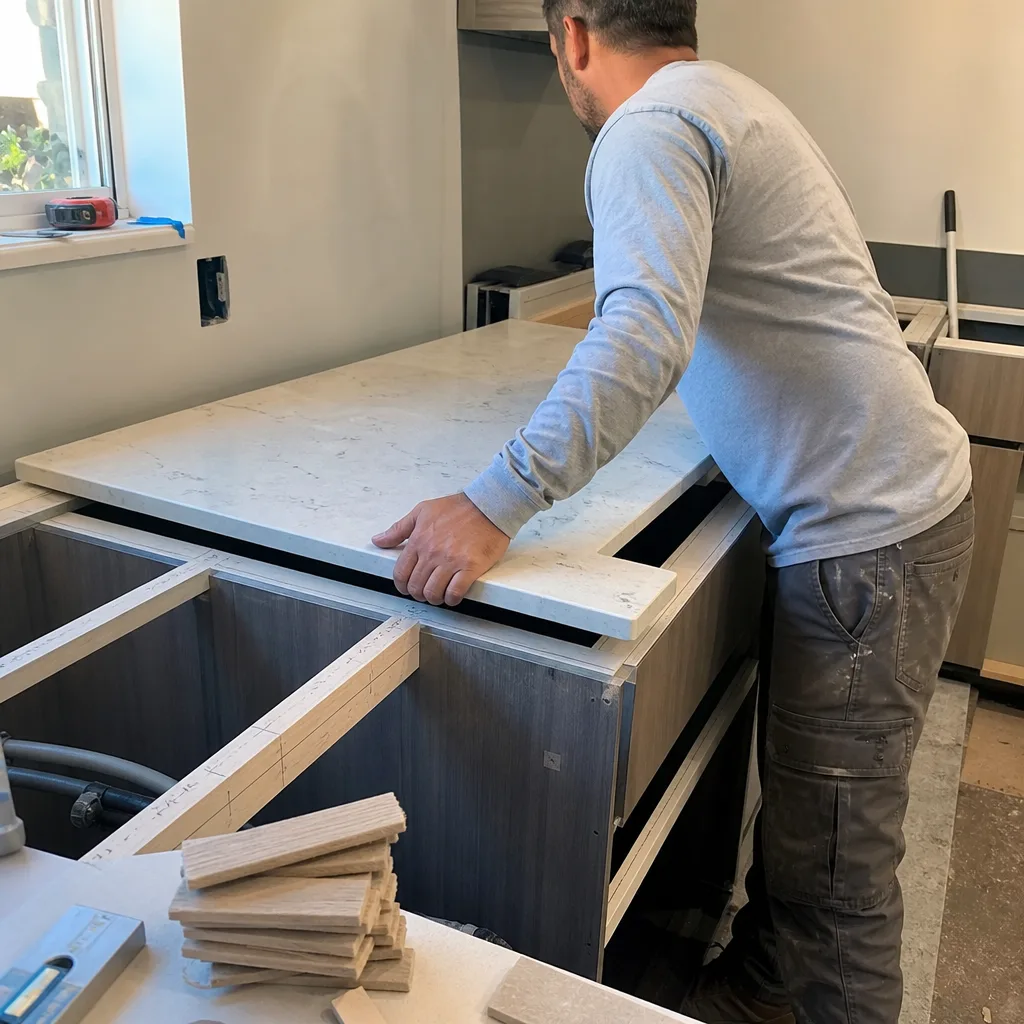
Mid-Grade ($80-$150 per square foot installed): Quartz from Cambria or Caesarstone, standard thickness (2cm or 3cm), eased edge. Cambria’s Brittanicca line runs $110-$130/sqft installed in San Diego, depending on slab size and fabrication complexity. Granite from Brazil or India at 3cm with a beveled edge falls in this range.
Premium ($180-$350+ per square foot installed): Exotic granite or marble (Calacatta, Statuario), quartzite, or ultra-compact surfaces like Dekton. Bookmatched slabs, waterfall edges, integrated drainboards. We’ve quoted $400/sqft for a single Calacatta Gold island in a Rancho Santa Fe kitchen.
Flooring
Budget ($3-$6 per square foot installed): Luxury vinyl plank (LVP), basic ceramic tile, carpet. LVP from COREtec or Shaw performs well in San Diego’s low-humidity climate.
Mid-Grade ($8-$15 per square foot installed): Engineered hardwood, porcelain tile with rectified edges, cork. Engineered oak or hickory from Armstrong or Mohawk handles San Diego’s temperature swings better than solid hardwood near the coast, where salt air accelerates checking.
Premium ($18-$40+ per square foot installed): Solid hardwood (white oak, walnut), large-format porcelain, natural stone. We’ve installed 8″ wide rift-sawn white oak at $32/sqft in a Kensington remodel, with moisture barriers specified because of the home’s 1920s foundation.
Roofing
Budget ($4-$6 per square foot): Three-tab asphalt shingles, basic underlayment, 20-year warranty. Adequate for detached garages or short-term holds.
Mid-Grade ($7-$12 per square foot): Architectural shingles from GAF Timberline or Owens Corning Duration, synthetic underlayment, ice-and-water shield at valleys and penetrations. This is our standard specification in San Diego; the products handle the region’s occasional Santa Ana wind events and carry 30-50 year warranties.
Premium ($15-$30+ per square foot): Clay or concrete tile (Eagle, Boral), standing-seam metal, or slate. Required by HOA in many San Diego master-planned communities. Clay tile runs heavy - 850-1,000 pounds per square - so structural assessment is mandatory, and that engineering line item adds $800-$2,000.
Windows and Doors
Budget ($300-$500 per opening): Single-pane or basic dual-pane vinyl, limited sizes, no Low-E coating. Rarely specified in San Diego now due to Title 24 energy code requirements.
Mid-Grade ($600-$1,200 per opening): Dual-pane vinyl or fiberglass with Low-E, argon fill, meeting Energy Star Most Efficient criteria. Milgard Tuscany or Andersen 100 Series are common here. For window replacement in San Diego, this tier satisfies code and performs for 20-30 years.
Premium ($1,500-$3,500+ per opening): Aluminum-clad wood, triple-pane, custom shapes, integrated screens, or historical reproductions. Andersen E-Series or Marvin Ultimate in coastal applications where corrosion resistance matters.
Insulation
Budget ($0.80-$1.50 per square foot): Fiberglass batts, R-13 walls / R-30 attic. Basic, effective, requires perfect installation to avoid gaps.
Mid-Grade ($1.50-$3.00 per square foot): Blown-in cellulose, spray foam (open-cell) at 3.5″ depth, or mineral wool. Open-cell spray foam at $2.20/sqft is our go-to for San Diego attic conversions - it air-seals and insulates in one pass, critical for the temperature swings in inland canyon homes.
Premium ($3.50-$6.00+ per square foot): Closed-cell spray foam (2 lb density, R-6.5 per inch), or rigid foam with taped seams. Necessary for ADU construction where floor space is at a premium and thick walls steal square footage.
Permit Cost Calculator: San Diego’s Valuation Methodology
San Diego homeowners routinely underestimate permit costs by 50% or more. The City of San Diego does not charge a flat fee. It uses a valuation table that estimates your project’s total value, then applies a fee schedule with multiple line items. Here’s how to estimate before a contractor is involved.
- Determine your project valuation. The City uses its own table, not your actual contract price. For a kitchen remodel, start with $75-$125 per square foot of affected space. For a 200-square-foot kitchen, that’s $15,000-$25,000 in City valuation. Add $25-$40/sqft for electrical, $20-$30/sqft for plumbing. A full gut with layout changes might value at $150/sqft.
- Apply the building permit fee. As of 2025-2026, San Diego charges approximately $12-$15 per $1,000 of valuation for residential construction. That $25,000 kitchen? $300-$375 in base building permit.
- Add trade permits. Electrical: $150-$300 for service upgrades or rewiring. Plumbing: $100-$200 for fixture relocation or gas line work. Mechanical/HVAC: $150-$250 for ductwork or mini-split installation. Each requires separate plan review and inspection.
- Include plan check fees. 65-85% of the permit fee, paid upfront before the permit issues. For our $25,000 kitchen, that’s another $195-$255.
- Add mandatory assessments. San Diego charges a Strong Workforce Fee (1% of valuation, capped), a Park and Recreation Facilities fee ($1,000-$3,000 depending on project type), and sometimes a School Facilities fee for additions over 500 square feet ($3.20-$4.00 per square foot in most districts).
- Factor in TOT (Transient Occupancy Tax) if applicable. Not for owner-occupied, but relevant for ADUs intended as short-term rentals - a growing segment in San Diego’s market.
For a typical San Diego kitchen remodel with layout changes, expect $1,200-$2,500 in total permit and fee costs. A 400-square-foot home addition in San Diego runs $3,500-$7,000. An ADU can hit $8,000-$15,000 depending on whether it triggers school fees and utility connection charges.
The City of San Diego’s Development Services Department publishes its fee schedule online, but the valuation table is the opaque part. We’ve built a spreadsheet from 200-plus projects that correlates actual permit costs to project descriptions. Under Clause 1 of the Haven Standard, we include estimated permit costs in every written quote - not as a surprise line item after contract signing.
Overhead and Margin: What That 15-25% Line Actually Covers
Every legitimate bid includes overhead and profit, often labeled “O&P,” “general conditions,” or buried in line-item markup. Homeowners suspect padding. Here’s what it actually pays for in a San Diego contracting operation.
Fixed overhead (typically 8-12% of project cost): General liability insurance ($15,000-$40,000 annually for a mid-size contractor), workers’ compensation (15-25% of payroll in California), vehicle and equipment leases, office rent, software for project management and accounting, and the wages of non-billable staff - estimators, schedulers, the live person who answers calls 24/7. San Diego’s commercial rents push this higher than inland markets; our Kearny Mesa office runs $2.80/sqft triple net, up from $1.90 in 2019.
Variable overhead (3-7%): Fuel, vehicle maintenance, job site utilities, temporary sanitation, permits and fees not passed through directly, and the documented photo record we deliver as standard - cloud storage, software licenses, technician time uploading and annotating.
Profit margin (4-8% for established contractors, up to 15% for specialty or high-risk work): Return on capital, risk compensation for cost overruns, and business sustainability. A contractor at 4% net margin is one bad project from insolvency. We’ve seen three San Diego contractors close in 2024-2025 because they underbid to win work and couldn’t absorb a single supply-chain delay or subcallback.
How to read it in a bid:
- Line-item markup: Each material and labor line includes 10-20% markup. Transparent bids show this; opaque ones hide it in rounded numbers.
- Percentage add-on: A separate 15-25% calculated on the subtotal. More transparent, easier to verify.
- Fixed fee: “$18,500 for project management and coordination.” Common in design-build. Verify what meetings, site visits, and documentation this includes.
At Rowan Construction Group, we show our O&P as a percentage add-on, with the calculation visible. Under the Haven Standard, Clause 1 requires the full price in writing before work starts - and that price includes every overhead dollar, with no subsequent “administrative fee” surprises.
Why Cost-Per-Square-Foot Misleads for Remodels
“How much per square foot?” is the wrong question for remodeling, though it’s the right question for ground-up construction. Here’s the distinction.
New construction spreads costs evenly across space. A 2,500-square-foot custom home at $350/sqft is roughly $875,000 whether the kitchen is large or small, because every square foot gets foundation, framing, roofing, and finishes.
Remodeling concentrates costs in specific zones. A 200-square-foot kitchen gut at $100,000 is $500/sqft - not because the contractor is expensive, but because that 200 square foot zone requires: demolition of existing finishes, relocation of electrical and plumbing within a confined space, custom cabinetry fitted to irregular walls, countertop fabrication with multiple cutouts, and flooring that must blend with adjacent spaces. The 800 square feet of untouched living room adds zero cost but drags the average down if you calculate it.
Better unit-cost metrics for comparing remodel bids:
- Cost per linear foot of cabinetry: Allows direct comparison across kitchen bids regardless of layout complexity.
- Cost per fixture (plumbing or electrical): A bathroom with three fixtures versus five fixtures should scale accordingly.
- Cost per opening (window/door): Standardizes window replacement quotes.
- Cost per square of roofing: Industry standard; one square is 100 square feet.
- Labor hours per trade: The most revealing metric, if the contractor provides it. Our written scopes include this by default.
In San Diego specifically, cost-per-square-foot comparisons fail because of the region’s housing stock diversity. A 1940s Mission Hills cottage has lath-and-plaster walls, ungrounded wiring, and no insulation - conditions that don’t exist in a 2005 Scripps Ranch tract home. The same kitchen dimensions produce vastly different scopes. We’ve quoted $85,000 and $165,000 for identically sized kitchens in different San Diego neighborhoods because the underlying conditions, not the finishes, drove the delta.
How to Compare Bids Line by Line
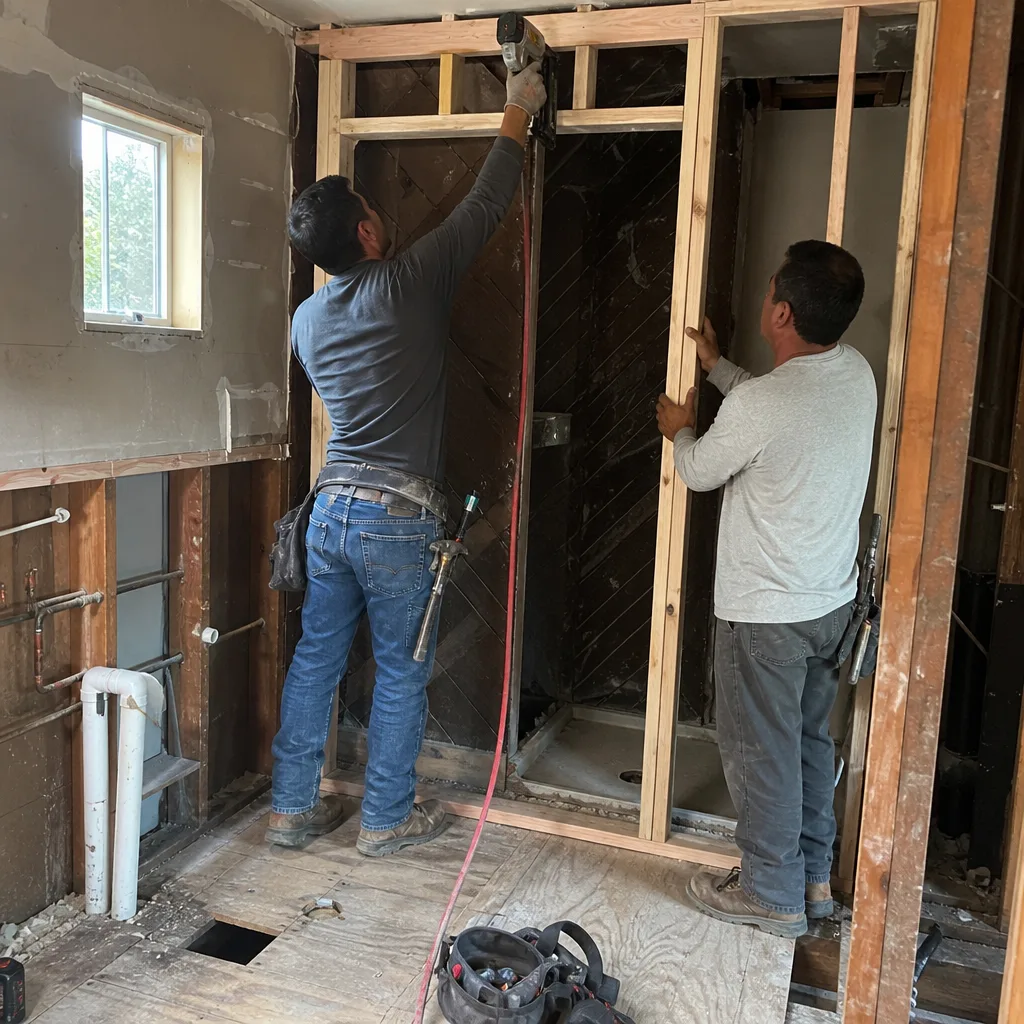
Three bids for the same project should be compared on structure, not just bottom line - explore more guides & resources for deeper analysis. Here’s our methodology, developed across 4,000-plus projects.
- Verify scope alignment. Does each bid include the same demolition depth? One contractor’s “gut” means removing drywall; another’s means removing drywall, insulation, and subfloor to the studs. We specify “remove to stud, inspect and replace deteriorated framing as found” in our written scope.
- Check material specifications by brand and model. “Granite countertops” versus “Cambria Brittanicca quartz, 3cm, eased edge, undermount cutout for Kohler K-20000” are not comparable. We list manufacturer, model, and finish for every material.
- Compare labor hours and rates. If Bid A shows 120 carpenter hours at $85/hour and Bid B shows 80 hours at $95/hour, ask why. Fewer hours might mean a more efficient crew, or it might mean omitted prep work. Our bids show hours by phase: demolition, rough carpentry, mechanical, finish.
- Identify what’s excluded. Common exclusions that surprise San Diego homeowners: asbestos testing and abatement (required pre-1978 homes), structural engineering for load-bearing wall removal, temporary kitchen setup, and utility connection fees for ADUs. We flag exclusions explicitly; under the Haven Standard, nothing is omitted to make the number look lower.
- Verify permit handling. Does the contractor pull permits, or is that the homeowner’s responsibility? San Diego requires licensed contractors to pull permits for most residential work over $500. We pull and schedule all inspections; the permit cost flows through at actual.
- Read the change order policy. Every project encounters unknown conditions. A bid with no change-order clause is a bid with no accountability. Our policy: no work proceeds on a change until the change order is signed, with a written price and scope. This discipline, which Haven acquired Rowan for in 2019, is why our projects finish within a few percent of the agreed number.
- Request the warranty terms in writing. Verbal warranties are unenforceable. Our 365-Day Done Right Promise is printed on every page, with a linked terms page defining “done right” and the remediation process.
Our Free Second Opinion on Any Written Estimate applies here. Bring a competitor’s quote and we’ll review it line by line at no charge, identifying scope gaps, specification downgrades, and hidden exclusions. We’ve found an average of $8,000-$15,000 in omitted scope on competitor bids reviewed this way.
San Diego Neighborhood Cost Variations
Labor rates and material costs vary across San Diego’s microclimates and housing markets. Here’s what we’ve observed in our project history.
Coastal premium (La Jolla, Del Mar, Coronado, Point Loma): 10-15% higher labor costs due to parking constraints, narrower streets limiting material delivery windows, and higher technician cost-of-living. Material delivery fees from suppliers in Miramar or Escondido run $150-$300 higher per drop. HOA design review adds 2-4 weeks to timelines, increasing carrying costs.
Inland valleys (Rancho Bernardo, Poway, Scripps Ranch): Near metro average. Newer housing stock (1980s-2000s) reduces unknown-condition risk. Fire-rated materials and defensible space requirements add $2,000-$5,000 to exterior projects in wildland-urban interface zones.
Urban core and historic (Mission Hills, Kensington, North Park, South Park): Higher demolition and remediation costs due to aging infrastructure. Pre-1978 homes trigger EPA RRP lead-safe practices, adding $1,500-$3,500 to any project disturbing painted surfaces. Foundation work is common; we’ve replaced 40% of the subfloors in Kensington kitchens due to old plumbing leaks.
East County (El Cajon, La Mesa, Santee): Slightly below average labor costs, but rising as technicians relocate from coastal areas. Older HVAC systems and single-pane windows are prevalent, increasing replacement scope. Permitting through San Diego County (unincorporated areas) versus individual cities creates timeline variability.
North County coastal (Carlsbad, Encinitas, Solana Beach): Similar to San Diego coastal premium. Encinitas has additional coastal commission review for additions visible from the beach. Carlsbad’s newer housing stock reduces some unknowns, but Mello-Roos and CFD fees affect new construction and ADUs.
Climate and Code Factors That Move the Number
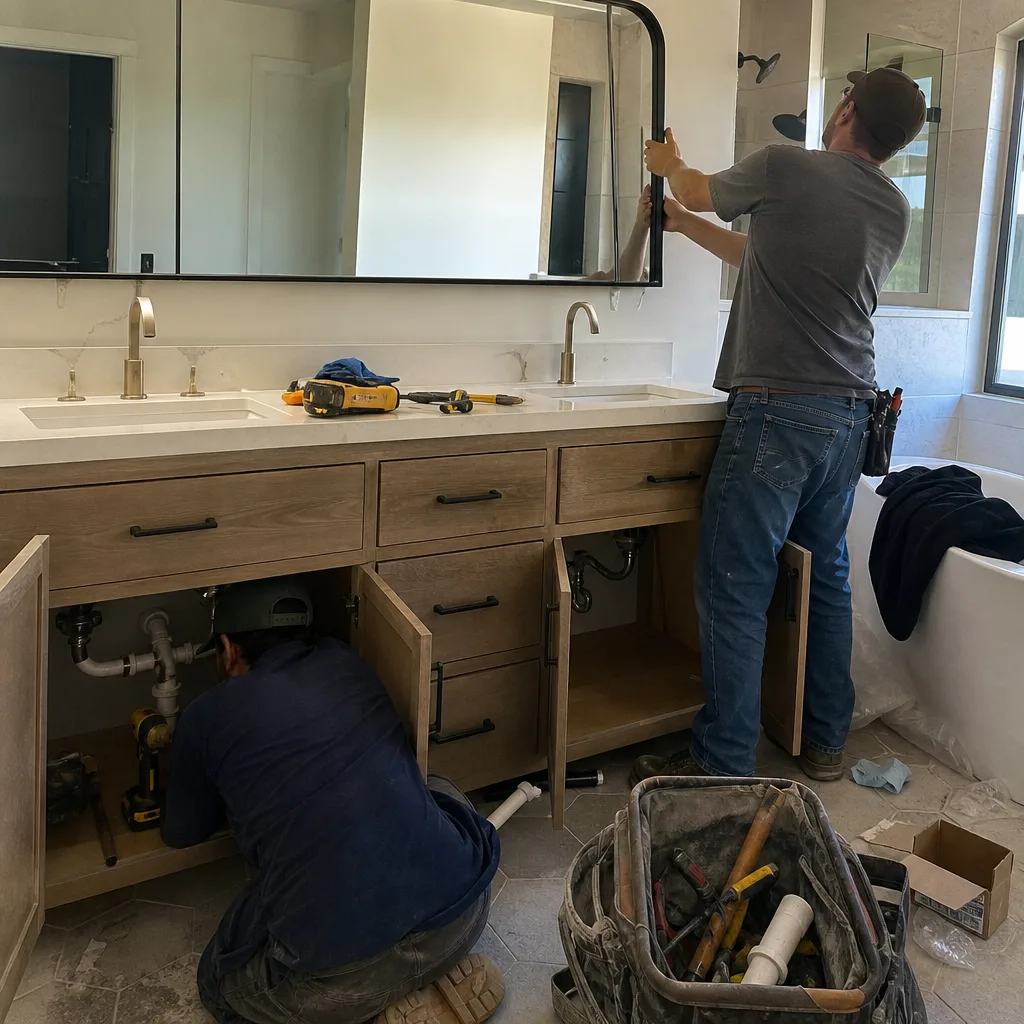
San Diego’s reputation for perfect weather obscures the construction realities. Three factors consistently affect our quotes.
Title 24 energy code compliance: California’s energy code updates every three years; the 2022 cycle is current through 2025 with 2025 standards phasing in. Requirements include: high-efficacy lighting (90% LED or better), HERS-rated duct sealing for HVAC changes, solar-ready construction for additions over certain sizes, and cool roof requirements for low-slope applications in climate zones 7 and 8 (most of San Diego County). Compliance adds $800-$2,500 to typical kitchen and bath projects, more for additions. We specify Title 24 compliance in every bid; non-compliant work fails inspection and requires costly rework.
Coastal salt air corrosion: Within two miles of the Pacific, standard steel fasteners and uncoated aluminum fail prematurely. We specify 316 stainless or hot-dip galvanized fasteners for exterior work in coastal zones, and aluminum-clad or fiberglass windows instead of vinyl. These upgrades add 8-15% to exterior material costs but prevent callbacks. In Ocean Beach and Imperial Beach projects, we’ve replaced hardware at 7 years that should have lasted 20.
Seismic and wind loads: San Diego’s seismic design category is moderate (D), but older homes lack modern shear walls and hold-downs. Any addition or significant remodel triggers engineered lateral bracing, typically $2,000-$5,000 in engineering and materials. Santa Ana wind events, while brief, require proper roof deck nailing patterns and ridge vent specifications - details we verify in our documented photo record.
Water conservation mandates: San Diego’s permanent water restrictions affect fixture selection. EPA WaterSense toilets, 1.5 GPM faucets, and 1.75 GPM showerheads are effectively mandatory; higher-flow fixtures won’t pass final inspection in most jurisdictions. This constrains the “premium” tier in plumbing fixtures - Kohler and Toto both make excellent WaterSense products, but the ultra-luxury 4-GPM rain shower requires a variance we rarely see granted.
Common Mistakes to Avoid
- Comparing bids with different scope depths. One bid at $75,000 with full demolition and one at $55,000 with “remove and replace finishes only” are not comparable. The cheaper bid leaves rotted subfloor and outdated wiring in place.
- Ignoring permit costs in early budgeting. San Diego homeowners routinely allocate 5% for permits when 10-15% is realistic for complex projects. This creates mid-project financing stress or corner-cutting.
- Assuming $/sqft from online calculators applies locally. National averages from remodeling websites understate San Diego labor by 20-30% and omit California-specific code compliance costs entirely.
- Accepting verbal allowances instead of fixed specifications. “Allowance: $8,000 for cabinets” becomes a change order when the homeowner selects $12,000 in KraftMaid. We quote fixed specifications; if the customer changes selection, the change order is signed before ordering.
- Neglecting the cost of not doing related work. Replacing a kitchen floor without addressing the 1970s galvanized plumbing below it saves $4,000 now and costs $8,000 later when the pipe fails. Our documented photo record shows what’s there; we flag consequential decisions in writing.
- Choosing the lowest bid without verifying license and insurance status. California Contractors State License Board data shows 15-20% of active “contractors” in San Diego County carry expired bonds or inadequate insurance. Verify at cslb.ca.gov before signing.
- Failing to budget for temporary displacement. A full kitchen gut takes 6-10 weeks. Eating out or setting up a temporary kitchen runs $100-$200/week in San Diego. This is not in the construction bid, but it’s part of the project cost.
When to Call a Professional
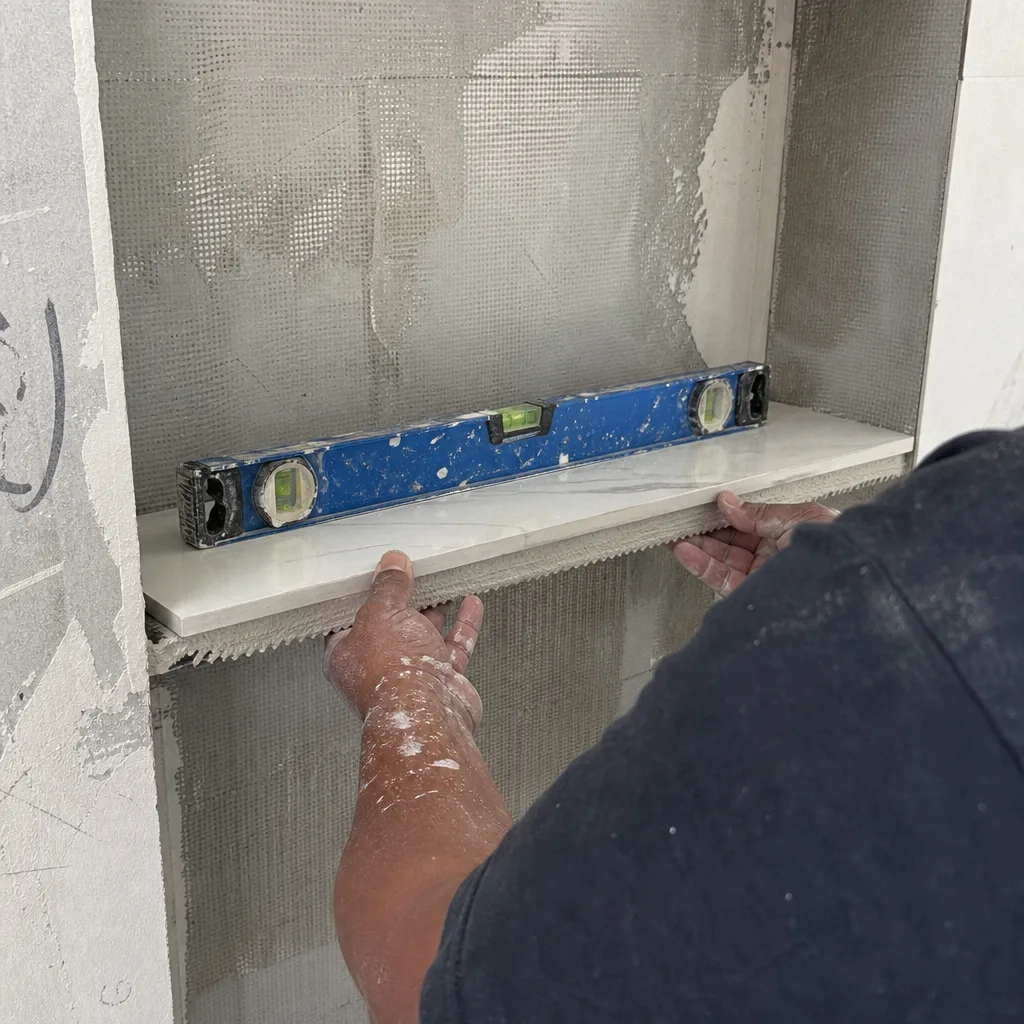
Certain project phases require licensed expertise by California law, and others simply make financial sense to delegate. Electrical work beyond fixture replacement, plumbing behind walls, structural modifications, and any project requiring a building permit must be performed by or under a licensed contractor. The CSLB investigates unlicensed activity aggressively, and homeowner’s insurance may deny claims for unpermitted work.
More practically, call a professional when the cost of your own time plus the risk of errors exceeds the contractor’s bid. We’ve been called to remediate DIY kitchen cabinets that cost the homeowner $6,000 in materials and 80 hours, then $14,000 to remove and reinstall correctly. The documented photo record we provide exists partly so customers understand what they’re paying for - and what they’d miss doing it themselves.
Rowan Construction Group San Diego offers free estimates in San Diego - call (858) 434-8926. Every estimate includes a written price, written scope, and material specifications by brand and model before any work starts.
Frequently Asked Questions
A mid-grade kitchen remodel in San Diego typically runs $75,000-$125,000 for a 150-250 square foot space with layout changes, while a premium project with custom cabinetry and high-end appliances can reach $150,000-$200,000. The range depends on three factors: the condition of existing infrastructure (electrical, plumbing, subfloor), material tier selection, and whether the project requires structural modifications or permit-triggered code upgrades. Call (858) 434-8926 for an exact quote - estimates are free, and we deliver a written price before any work starts.
The price does not change for the scope specified in the written quote. Unknown conditions discovered during demolition - rotted framing, asbestos, unpermitted prior work - may require a change order with a written price and signed approval before any additional work proceeds. Under the Haven Standard, no change proceeds without a signed change order, which is the discipline that has kept Rowan’s projects within a few percent of the agreed cost across 4,000-plus jobs. This policy protects both parties from surprise.
Rowan Construction Group pulls all required permits and schedules inspections as part of every project. The permit cost flows through at actual City of San Diego rates, shown as a line item in the written quote. Homeowners who pull their own permits assume liability for code compliance and inspection scheduling - we don’t recommend it for projects involving multiple trades or structural work.
A full kitchen remodel takes 8-14 weeks from permit issuance to final inspection, depending on material lead times and inspection scheduling. Bathrooms run 4-8 weeks. San Diego’s Development Services Department typically issues permits in 4-8 weeks for residential projects with complete plans; complex additions or ADUs may take 12-16 weeks. We build realistic timelines into every quote and communicate weekly progress.
Every visit includes dated, geotagged photographs of existing conditions before work, progress at key phases, and final completed work. The customer receives a cloud-based album with annotated images showing: pre-existing damage, substrate conditions, installed materials with visible labels, and test results (e.g., GFCI function, water pressure). This is standard, not optional, and serves as warranty documentation and resale disclosure evidence.
Customer-supplied materials complicate warranty coverage and scheduling. We warranty our workmanship; we cannot warranty a countertop the customer purchased from a third party that arrives cracked or out of spec. Our sourcing across fifty-plus vetted brands - KraftMaid, Wellborn, Cambria, Caesarstone, GAF, Owens Corning, Kohler, Toto - provides competitive pricing with full warranty chain intact. If you have a specific material in mind, we’ll price it through our supply channel and compare.
A bid more than 20% below comparable quotes typically indicates one of four problems: omitted scope (permits, demolition depth, code compliance), unlicensed or uninsured labor, unspecified materials that will be downgraded, or a contractor using your deposit to finish a prior job. Verify the license at cslb.ca.gov, request a certificate of insurance naming you as additional insured, and demand material specifications by brand and model. Our Free Second Opinion on Any Written Estimate exists to identify these gaps before you sign.
The Bottom Line
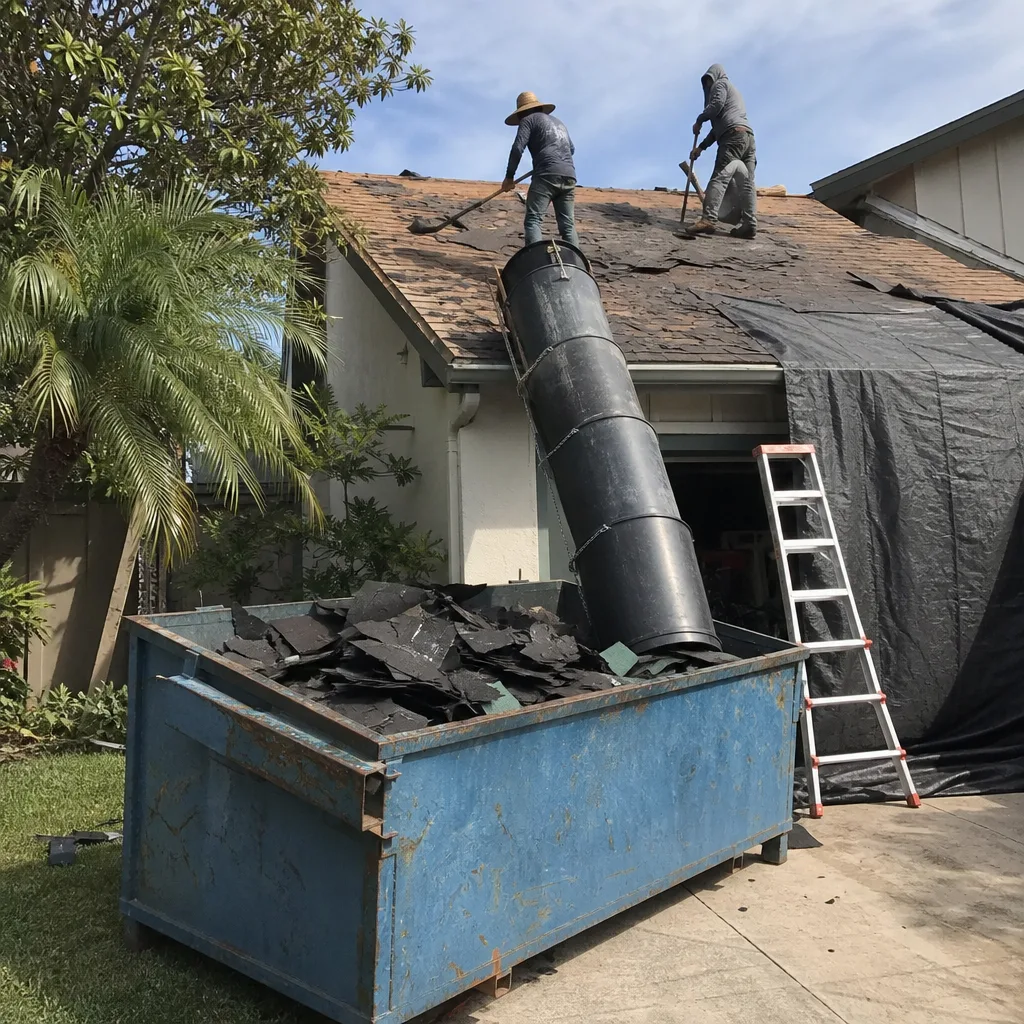
San Diego construction costs become manageable when dismantled into components. Know the labor rates by trade. Specify materials by tier and brand. Calculate permits from the City’s valuation table, not guesswork. Read overhead and profit as legitimate business costs, not padding. And compare bids on structure - scope, specifications, hours, exclusions - not bottom line alone. The homeowner who understands these components negotiates from knowledge, not anxiety. At Rowan Construction Group, we’ve delivered 4,000-plus projects since 2007 with a written price before any work started and a documented record when the crew left. The Haven Standard requires no less.
Written by Grant Rowan, Owner at Rowan Construction Group San Diego, serving San Diego since 2007.