
Last updated September 25, 2026
Free written scope consultation - allowances, timeline, and change-order rules on paper before a single trade is scheduled






 Before
 After
After Before
 After
After Before
 After
AfterSeasonal Construction Care for San Diego: Year-Round Homeowner’s Guide
San Diego averages 266 sunny days per year, and UV index levels that rank among the highest in the continental U.S. That mild reputation convinces homeowners to skip inspections that would catch the region’s actual failure drivers: UV degradation, salt air oxidation, and the repeated wet-dry cycling of the November through March rainy season. In this guide, you’ll learn why San Diego’s climate demands a two-phase maintenance calendar instead of the traditional four-season model, which materials fail faster here than national specs suggest, and how to document conditions before summer contractor booking windows close.
Quick Answer
San Diego homeowners should follow a two-phase maintenance calendar: a pre-rainy season inspection in September-October targeting roof flashing, stucco cracks, and drainage; and a post-rainy season assessment in April-May checking for moisture penetration and UV damage. Exterior coatings and composite materials typically need recoating every 2-3 years in San Diego’s high-UV environment, not the 5-7 years listed on national product specifications. Coastal properties within 5 miles of the Pacific require more frequent metal component inspection due to salt air acceleration.
Table of Contents
- The Pre-Rainy Season Window: September-October
- The Post-Rainy Season Window: April-May
- The UV Maintenance Calendar: What Fails Faster in San Diego
- Wildfire Ember and Ash Damage Inspection: May-October
- Salt Air Maintenance Zone Map for Coastal San Diego
- Building Your Documentation System
- Common Mistakes to Avoid
- When to Call a Professional
- Frequently Asked Questions
 Before
 After
AfterThe Pre-Rainy Season Window: September-October
San Diego’s rainy season runs November through March, with most precipitation concentrated in December through February. The September-October window is the last reliable dry period for exterior work and inspection. Miss it, and you’re scheduling repairs during active weather or competing with the spring rush.
We’ve delivered over 4,000 projects since 2007, and the pattern is consistent: the homeowners who catch problems in October avoid the emergency calls in January. Here’s what to inspect before the first storm.
Roof Flashing and Penetrations
Check all roof penetrations - vents, chimneys, skylights - for cracked or lifted flashing. In San Diego, the combination of summer thermal expansion and winter contraction loosens fasteners faster than in markets with less temperature swing between seasons. Look for:
- Gaps between flashing and roof deck, especially on south-facing slopes where UV is most intense
- Dried or missing sealant at pipe boots - the rubber collars around plumbing vents degrade in 3-4 years of direct sun, not the 8-10 years the manufacturer lists
- Granule loss on asphalt shingles near ridges and hips, where foot traffic and wind overlap
On tile roofs, common in Rancho Bernardo, Del Mar, and La Jolla, check for broken or slipped tiles at valleys and ridges. The underlayment beneath is your actual waterproofing; a single broken tile over a valley can channel water directly to the deck. We document this with photos on every roofing inspection in San Diego, included as standard, not an upgrade.
Stucco and Exterior Cladding
Stucco dominates San Diego’s housing stock, from 1970s tract homes in Mira Mesa to custom builds in Encinitas. The material is porous; it absorbs moisture and releases it slowly. Problems arise when water enters faster than it exits.
Inspect for hairline cracks wider than 1/16 inch, especially at horizontal joints, window corners, and where additions meet original construction. These are the paths November rain follows. Check weep screeds - the metal strip at the base of stucco walls that allows drainage - for blockage by soil, mulch, or pest debris. A buried weep screed traps water in the wall cavity.
On homes within 3 miles of the coast, check for efflorescence, the white powdery deposit that indicates salt-laden moisture is moving through the stucco. This is not cosmetic; it signals active water migration and potential rebar corrosion in the wire lath.
Drainage and Hardscape
San Diego’s clay-heavy soils in areas like Scripps Ranch and Poway expand when saturated, then contract dramatically in dry months. This seasonal soil movement cracks foundations, patios, and pool decks.
Verify that all downspouts discharge at least 6 feet from the foundation. Check that landscape drains are clear - the first rain of November often reveals blockages from summer leaf drop. For homes on slopes, inspect terrace drains and retaining wall weep holes; a clogged weep hole converts a retaining wall into a dam.
On paver installations, which we specify with Belgard and Techo-Bloc products for San Diego’s freeze-thaw cycles (minimal, but present in inland valleys), check joint sand levels. Eroded joints allow edge creep and water infiltration to the bedding layer.
The Post-Rainy Season Window: April-May
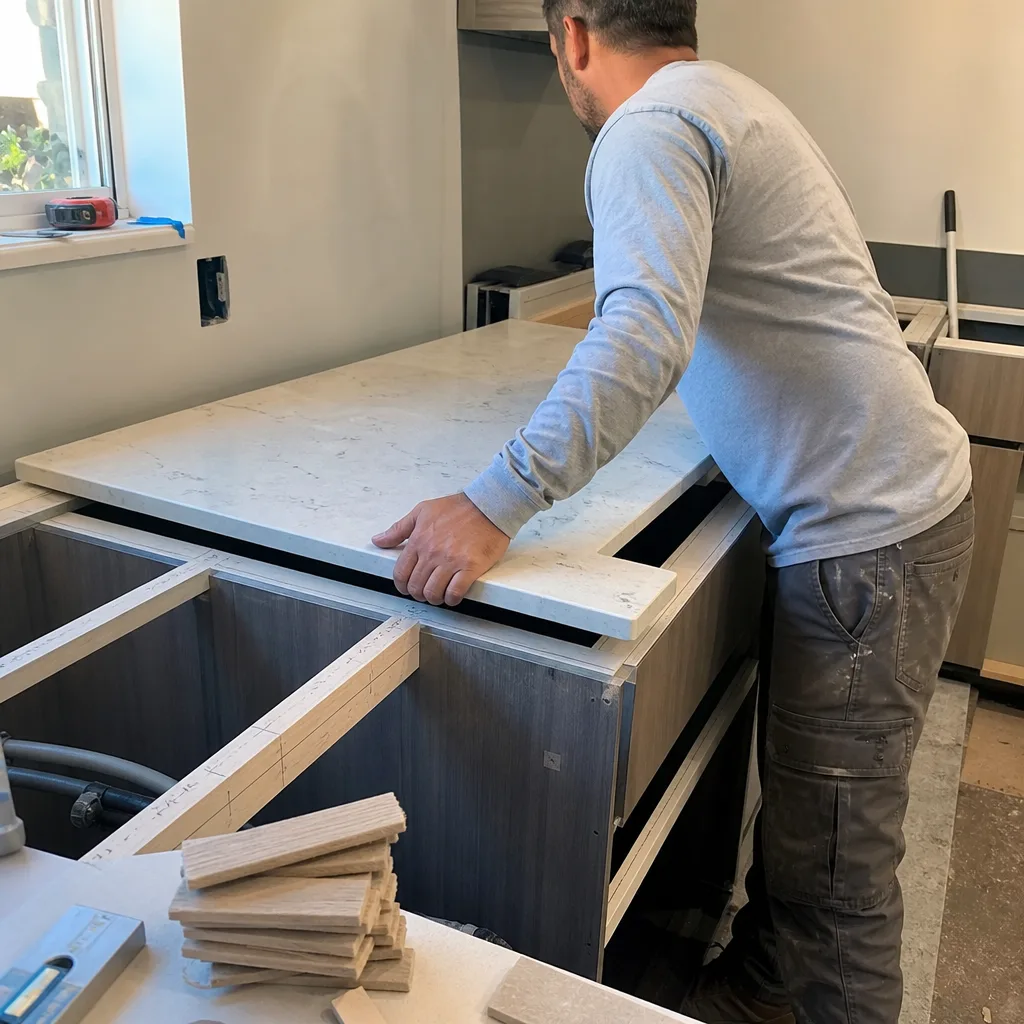
April and May are the diagnostic months. The rainy season has ended, summer booking pressure hasn’t peaked, and moisture damage from winter is now visible. This is when you document conditions and schedule work before June demand spikes pricing and availability.
Interior Moisture Indicators
Start inside. Check ceiling drywall at roof penetrations and exterior walls for staining that may not have been visible during winter when attic moisture levels were elevated. Look for:
- Discoloration at ceiling corners, especially on north-facing rooms where drying is slowest
- Baseboard swelling or paint bubbling on exterior walls, indicating stucco moisture penetration
- Musty odors in closets against exterior walls, where air circulation is minimal
- Window sill degradation on aluminum-framed units, where condensation tracks into the substrate
If you find active staining, photograph it with a date stamp. This documentation becomes your baseline for proving whether a repair succeeded or whether latent moisture continues.
Exterior Condition Assessment
Walk the perimeter with the same attention you’d give a pre-purchase inspection. Note any new cracks in stucco, separation at trim joints, or soil line changes that expose foundation. In San Diego’s canyon-adjacent neighborhoods - Mission Hills, University Heights, parts of Carlsbad - check for slope movement indicators: fence posts tilting, driveway cracks with vertical offset, or gaps between soil and foundation.
On wood decks and railings, check for soft spots at post bases and ledger board attachment to the house. The 2019-2023 rainy seasons were particularly wet by San Diego standards, and we’ve replaced more ledger-mounted decks in the past three years than in the prior decade. The failure mode is predictable: water enters at the house connection, the ledger rots, and the deck pulls away.
HVAC and Attic Inspection
Replace HVAC filters - they load with winter dust and spring pollen. More critically, inspect attic ventilation for blockage. San Diego’s combination of winter moisture and summer heat creates conditions for mold growth in under-ventilated attics. Verify that soffit vents (the intake vents under eaves) are not blocked by insulation, and that ridge or gable vents exhaust freely.
If your home has a whole-house fan or attic-mounted AC unit, check the platform and supports for moisture staining. These installations often create penetrations that winter rain exploits.
The UV Maintenance Calendar: What Fails Faster in San Diego
National product specifications assume moderate UV exposure. San Diego’s solar intensity, measured at 5.5-6.5 peak sun hours daily in summer, accelerates photochemical degradation of organic materials by 40-60 percent compared to national averages. Here’s what that means in practical terms.
Exterior Paint and Coatings
Quality acrylic latex paint on south- and west-facing walls in San Diego typically shows chalking (powdery surface degradation) and color fade in 2-3 years, not the 5-7 years on the can. The failure is cosmetic first, then protective: once the binder degrades, the pigment washes away, and the substrate is exposed.
For deck coatings and horizontal surfaces, the timeline compresses further. A transparent or semi-transparent deck stain on a south-facing San Diego deck often needs recoat in 18-24 months. Solid-color stains last longer but hide the wood condition; we prefer transparent systems with scheduled maintenance over the false economy of longer intervals.
When we quote exterior painting as part of a larger project, we specify products rated for high-UV zones - typically 100 percent acrylic formulations with titanium dioxide loadings above 20 percent - and we write the recoat interval into the scope, not as a surprise later.
Composite and Synthetic Materials
Fiber-cement siding (HardiePlank and similar) holds paint longer than wood due to its inorganic core, but the factory-applied primer and paint still degrade on the same San Diego schedule. The critical inspection point is caulked joints: the caulk fails first, and water enters at the horizontal lap joints.
Vinyl and composite trim (PVC, cellular PVC) expands and contracts significantly with temperature. In San Diego’s high-sun environment, dark colors can reach surface temperatures above 160°F, accelerating thermal movement stress at joints and fasteners. Check for pulled fasteners and open joints annually, not on a five-year cycle.
Window and Door Sealants
Butyl and polyurethane sealants at window perimeters typically reach end of functional life in 3-4 years in San Diego’s UV exposure. Silicone formulations last longer but are not paintable, creating aesthetic issues on painted trim. We specify hybrid sealants (siliconized acrylic or silyl-terminated polymer) for San Diego installations, with inspection written into the maintenance scope.
For kitchen remodeling in San Diego or bathroom remodeling in San Diego that includes window replacement, we source PGT windows for coastal applications and specify installation with backer rod and sealant compatible with the frame material - a detail many installers skip.
Roofing Material UV Thresholds
Asphalt shingles lose protective granules to UV and thermal cycling. In San Diego’s inland valleys (El Cajon, Santee, Lakeside), where summer attic temperatures exceed 140°F, shingle life compresses to 15-20 years for architectural-grade products, not the 25-30 years on the warranty. Coastal installations fare better thermally but face salt air oxidation.
We specify Atlas and Tamko shingles with modified asphalt (SBS or APP) for San Diego’s thermal stress, and we document granule retention with photos at each inspection. Tile and metal roofs last longer but are not maintenance-free: tile underlayment degrades, and metal coatings chalk and fade on the same accelerated schedule.
Wildfire Ember and Ash Damage Inspection: May-October
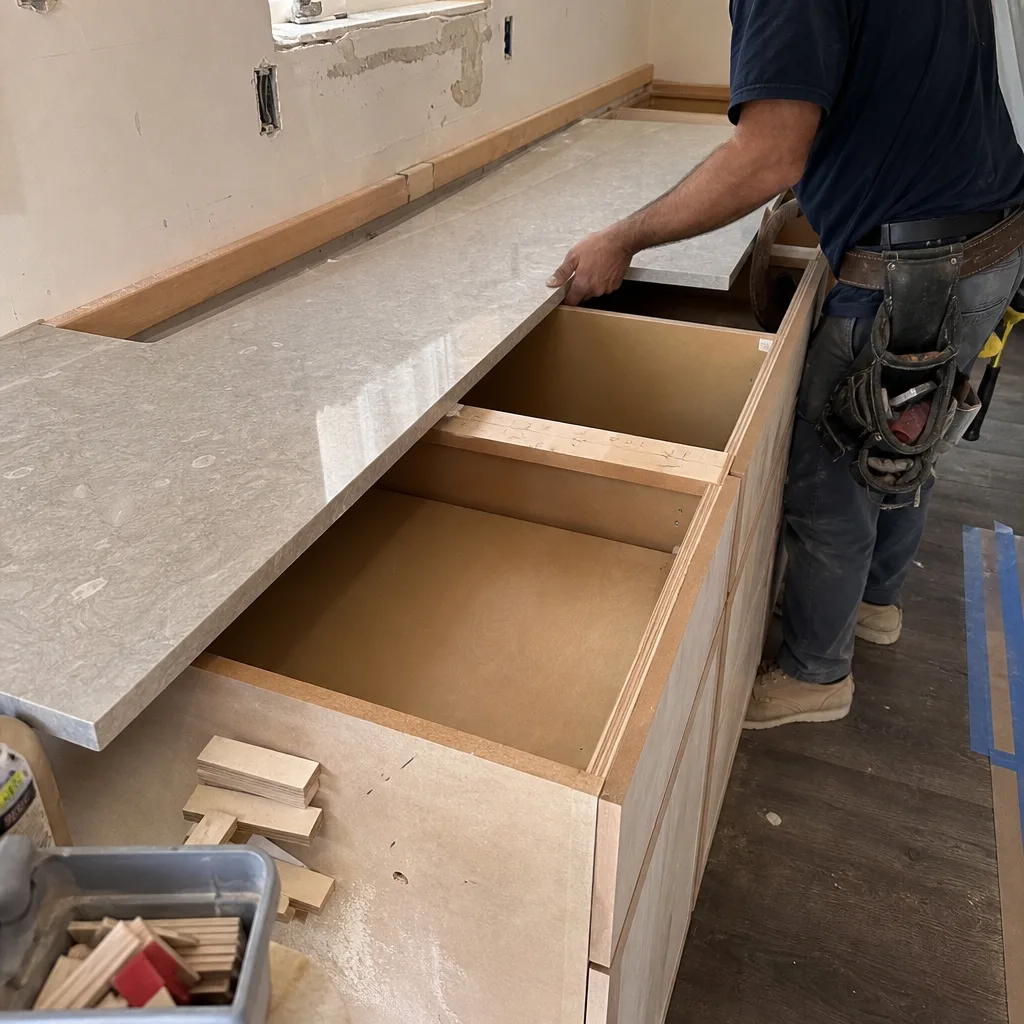
San Diego’s wildfire season aligns with the dry Santa Ana wind period, typically May through October with peak risk in September and October. The 2003 Cedar Fire, 2007 Witch Creek Fire, and 2014 Bernardo Fire established the pattern: ember transport ahead of flame front causes the majority of structural ignitions.
Roofing and Ventilation
Class A fire-rated roofing is required in California’s Wildland-Urban Interface (WUI), which includes substantial portions of San Diego County - Rancho Santa Fe, Fairbanks Ranch, Poway, Alpine, and canyon-adjacent areas of the city proper. But the rating applies to the assembly, not just the covering. A Class A shingle over inadequate underlayment or with unprotected vents does not perform as rated.
Inspect these specific points during red flag conditions and immediately after:
- Roof vents: Verify 1/8-inch mesh screens are intact. Embers enter through vent openings and ignite accumulated debris in attics. Replace damaged screens before fire season.
- Eave and soffit vents: Check for gaps between vent and framing. Embers exploit any opening larger than 1/8 inch.
- Chimney spark arrestors: Clean and inspect. A clogged arrestor traps heat; a missing one admits embers directly.
- Gutter debris: Dry leaves and needles are ignition fuel. Clean before Santa Ana events, not after.
HVAC Systems and Filtration
During active fires, HVAC systems pull in ash and particulate matter even when recirculating indoor air - the building envelope is not airtight. After smoke events:
- Replace filters immediately; standard pleated filters load with fine ash and restrict airflow, stressing blower motors
- Inspect outdoor condenser coils for ash accumulation, which insulates and reduces heat transfer efficiency
- Check ductwork seals; negative pressure during system operation can pull ash through leaks in return ducts located in attics or crawl spaces
In fire-prone areas, we specify higher-MERV filtration (13-16) with pressure-drop calculations to ensure the blower can handle the load - not a filter swap without engineering.
Attic and Crawl Space Inspection
Post-fire inspection of attics and crawl spaces is often overlooked. Ash penetrates through vents, soffit gaps, and construction joints. It accumulates on insulation and structural members, creating a corrosive alkaline residue when combined with moisture from winter rain.
We document attic conditions with photos on every post-fire inspection, included as standard in our service. The photo record shows whether cleaning is warranted or whether the accumulation is cosmetic. Under Clause 1 of the Haven Standard, the price for any recommended work is written before anyone starts.
Salt Air Maintenance Zone Map for Coastal San Diego
Salt air corrosion follows a distance-decay curve from the Pacific, but local topography modifies it. Point Loma and La Jolla face direct onshore flow; Del Mar and Solana Beach sit below coastal bluffs that channel marine layer; Coronado’s island position intensifies exposure. We divide San Diego into three zones for maintenance frequency and material specification.
Zone 1: Within 1 Mile of Coast
Properties in Ocean Beach, Pacific Beach, Mission Beach, La Jolla Shores, and Del Mar within one mile of the water face the most aggressive salt air exposure. Maintenance intervals compress by 50 percent compared to inland baselines.
- Metal components - fasteners, flashing, railings, hardware - require annual inspection for oxidation staining
- Aluminum windows and doors: check anodized coating integrity; once breached, corrosion accelerates
- Exterior light fixtures and electrical boxes: replace with marine-grade specifications, not standard residential
- Wood trim and siding: inspect for fungal staining at fasteners, where salt holds moisture against the substrate
We specify Boral TruExterior trim for coastal Zone 1 applications - the polymer/fly ash composite does not absorb moisture and is impervious to salt. The material costs more than wood or fiber-cement, but the lifecycle cost in this zone is lower.
Zone 2: 1-3 Miles from Coast
Clairemont, Bay Park, parts of University Heights, and inland Encinitas fall in this transitional zone. Marine layer still reaches these areas on many mornings, but exposure is intermittent rather than continuous.
Metal inspection every 18-24 months is adequate. The critical detail is galvanic compatibility: dissimilar metals in contact (aluminum flashing against galvanized steel fasteners, copper gutters against steel brackets) create galvanic cells that salt electrolyte accelerates. We specify isolation barriers - gaskets, washers, or coatings - at all dissimilar metal contacts in this zone.
Zone 3: 3-5 Miles from Coast
Mira Mesa, Scripps Ranch, Rancho Bernardo, and similar inland areas experience occasional marine influence but are dominated by thermal and UV stress rather than salt. Standard national maintenance intervals apply, with attention to the UV acceleration described above.
The boundary is not precise - canyon drainage patterns can channel marine air inland. If your property sits in a drainage that funnels morning fog from the coast (parts of Carmel Valley, for example), treat as Zone 2 regardless of mileage.
Building Your Documentation System
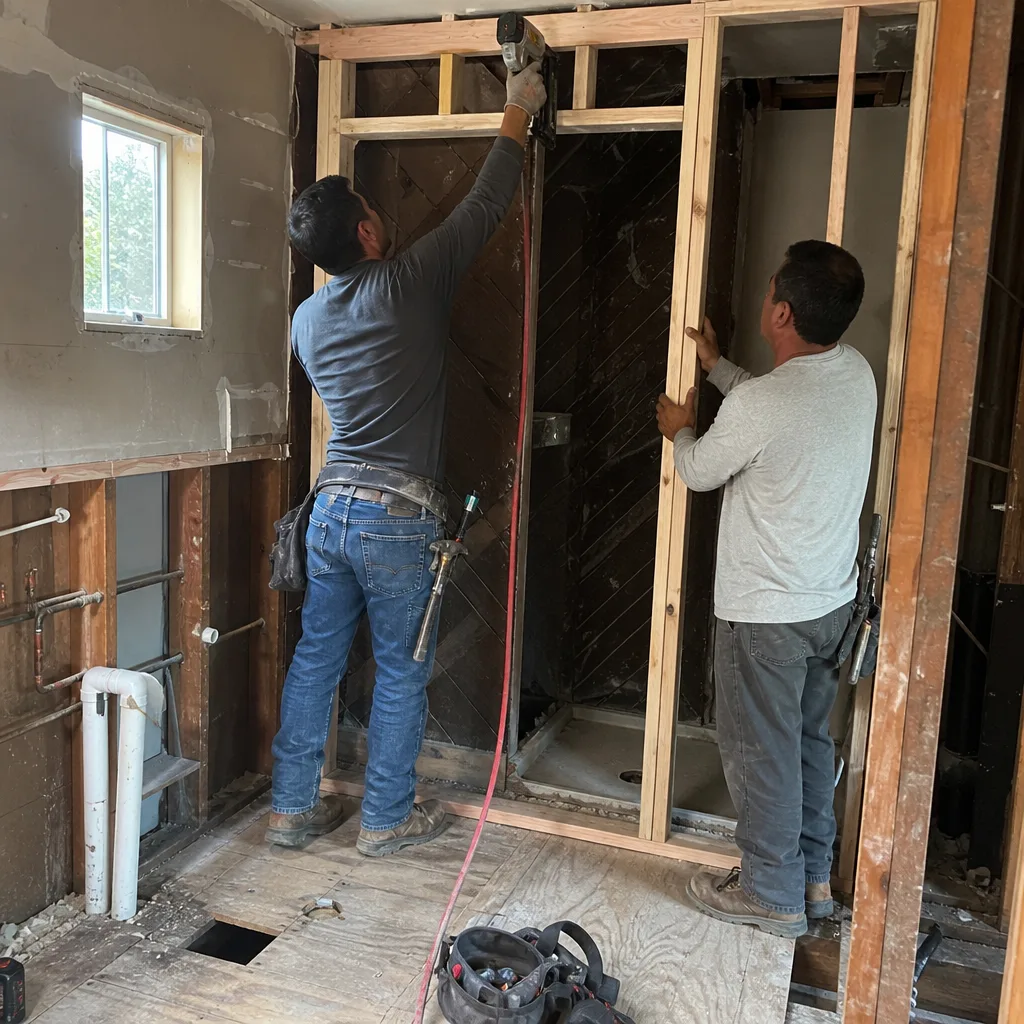
Documentation is the difference between reactive maintenance and predictive asset management. Since 2007, we’ve built our practice on this principle: every project gets a written price before work starts, and every visit produces a documented photo record. Homeowners can apply the same discipline to their own properties.
What to Record and When
Create a digital folder for your property with subfolders by date. At each inspection - April-May and September-October minimum - photograph:
- Wide shots of each building elevation, consistent angle and framing for year-over-year comparison
- Close-ups of all penetrations: vents, meters, hose bibs, light fixtures
- Roof condition from ground level and, if safely accessible, from the roof surface
- Foundation perimeter, showing soil line and any exposed concrete
- Hardscape: driveway, walkways, patios, with attention to cracks and drainage patterns
- Interior: ceiling stains, baseboard condition, window operation
Date every image. Store in cloud backup. The value emerges over years: you can prove when a crack appeared, whether it propagated, and whether a repair held.
The Written Record
Pair photos with a simple written log: date, weather conditions, observations, any work performed. This becomes evidence for insurance claims, warranty disputes, and sale disclosures. California Civil Code Section 1102 requires disclosure of material defects; a documented maintenance history demonstrates due diligence rather than concealment.
When we perform inspections for San Diego homeowners, we deliver the photo record and a written summary as standard - not as an upgrade, not as a separate line item. The customer leaves with evidence of what was found and what was done. This is Clause 1 of the Haven Standard applied to every interaction.
Common Mistakes to Avoid
- Assuming mild weather means minimal maintenance. San Diego’s UV intensity and salt air create failure modes invisible until they’re expensive. The homeowner who skips inspection because “it doesn’t get that cold here” misses the degradation that winter rain then exploits.
- Using national product specs for local timing. Paint cans list 5-7 year recoat intervals; in San Diego’s UV environment, 2-3 years is realistic for south-facing exposures. Budget and schedule accordingly.
- Ignoring the September-October window. Once November rains begin, exterior work becomes weather-dependent and contractor availability drops. The October inspection that finds a flashing gap allows scheduled repair; the December discovery requires emergency pricing.
- Neglecting post-fire HVAC inspection. Ash accumulation in condenser coils and ductwork reduces efficiency and circulates particulate. Replace filters immediately after smoke events, not on the standard calendar.
- Using incompatible metals in coastal zones. Copper gutters with steel hangers, aluminum flashing with galvanized fasteners - these combinations corrode faster in salt air than either metal alone. Specify isolation or compatible materials.
- Failing to document before and after conditions. Without dated photos, you cannot prove whether a crack is new or stable, whether a repair succeeded, or whether a contractor’s work caused adjacent damage. Documentation is free; dispute resolution without it is not.
- Waiting for summer to schedule repairs. June through August is peak demand season in San Diego. Pricing reflects scarcity, and quality contractors book 8-12 weeks out. The April-May assessment lets you schedule in the shoulder season.
When to Call a Professional
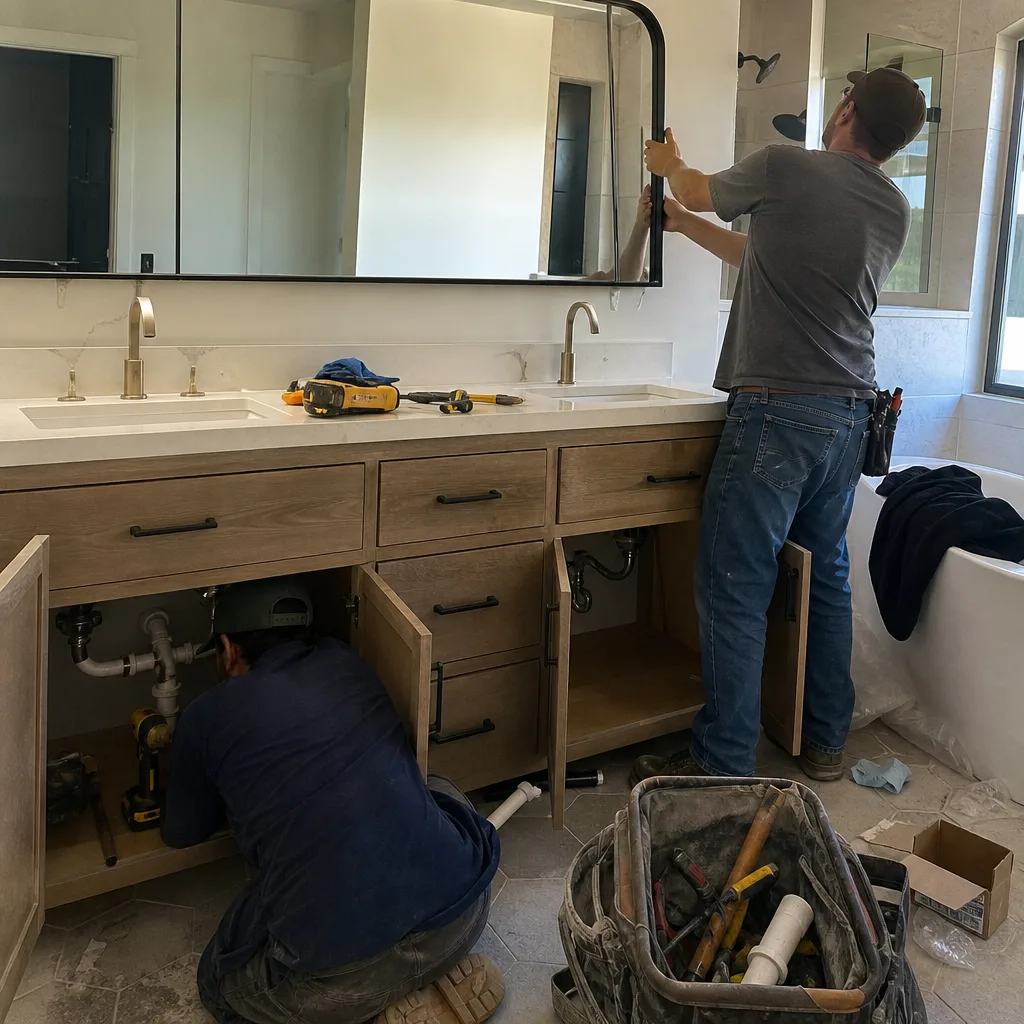
Some conditions warrant immediate professional assessment: active water intrusion with visible staining or mold odor; structural cracks with vertical offset or ongoing movement; roof sagging or rafter separation; electrical symptoms after moisture exposure; and any condition where your documentation shows progression over two inspection cycles.
For planned projects - kitchen remodeling, bathroom remodeling, roofing replacement, additions, or ADU construction - professional inspection establishes baseline conditions that inform scope and prevent surprises. Rowan Construction Group San Diego offers free estimates in San Diego. Call (858) 434-8926 to schedule. Every estimate includes a written flat price with scope and warranty documented before any work begins, plus a photo record of conditions found during assessment. We also offer a Free Second Opinion on any written estimate from another contractor - bring your quote and we’ll review it line by line at no charge.
Frequently Asked Questions
A professional whole-home seasonal inspection in San Diego typically ranges from $250 to $600, depending on property size, accessibility, and whether specialized testing (moisture meters, thermal imaging) is included. Rowan Construction Group includes condition documentation with photos as standard on every estimate visit. Call (858) 434-8926 for an exact quote - estimates are free.
South- and west-facing walls in San Diego’s high-UV environment need recoat every 2-3 years for transparent or semi-transparent finishes, 3-4 years for quality acrylic latex paint. North-facing and shaded elevations extend to 4-5 years. These intervals assume quality product and proper prep; cutting either extends the timeline but reduces protection. National product specs listing 5-7 years assume moderate UV zones.
Minimal freeze-thaw concern in most of San Diego proper, but inland valleys - El Cajon, Santee, Ramona, Julian - experience occasional hard freezes. The greater risk is wet-dry cycling: winter saturation followed by summer desiccation cracks stucco, heaves clay soils, and degrades sealants. Inspect for this pattern in April-May, not January when conditions are masked.
Replace HVAC filters immediately; inspect outdoor condenser coils for ash accumulation; check attic and crawl space for ash penetration through vents; verify roof vent screens are intact; and examine exterior sealants and caulking for heat damage. Document all findings with dated photos before cleaning, in case insurance documentation is needed later.
Salt air corrosion is measurable within 5 miles of the Pacific in San Diego, with intensity increasing non-linearally within 1 mile. Direct onshore exposure (west-facing, no topographic shielding) accelerates effects beyond distance alone. Within 1 mile, inspect metal components annually; 1-3 miles, every 18-24 months; beyond 3 miles, standard intervals apply with attention to UV degradation instead.
At Rowan Construction Group, no. Under the Haven Standard, the written price is delivered before any work starts, and no change proceeds without a signed change order. This discipline has kept our projects within a few percent of the agreed price across 4,000-plus jobs since 2007. If conditions change after work begins, we document, quote the change in writing, and obtain signature before proceeding. The price you agree to is the price you pay, with change orders as the only exception - and only with your explicit approval.
The Bottom Line
San Diego’s climate is not maintenance-free - it’s maintenance-different. The 266 sunny days that draw residents here also degrade exterior materials faster than national specifications assume. The mild winters that eliminate freeze-thaw concern replace it with wet-dry cycling that exploits any gap in envelope integrity. A two-phase maintenance calendar - September-October pre-rain preparation and April-May post-rain diagnosis - catches problems when they’re small, documents conditions for future reference, and schedules repairs before summer demand compresses availability and extends timelines. The homeowners who treat San Diego’s climate as an asset to manage, not a pass to ignore, avoid the emergency calls and cost overruns that define reactive maintenance.
Written by Grant Rowan, Owner at Rowan Construction Group San Diego, serving San Diego since 2007.